Modi's 25 years in power reflect India's rise, says CM Naidu
Synopsis
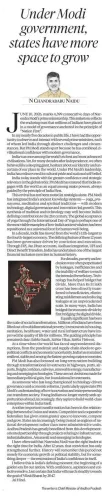
On the exact date Modi completed 25 uninterrupted years as an executive head — from Gujarat CM in 2001 to three-term Prime Minister — Andhra Pradesh's Chandrababu Naidu chose The Hindu's op-ed pages to make the case that leadership, not just policy, is what has driven India's decade-long transformation. The tribute is as much a political signal as a personal one.
Key Takeaways
PM Narendra Modi completed 25 years of uninterrupted executive leadership on 7 October 2026 , beginning as Gujarat Chief Minister in 2001 .
Andhra Pradesh CM N.
Chandrababu Naidu penned a tribute in The Hindu , citing Modi's 'clarity of vision, integrity, discipline and ability to execute.' Naidu — drawing on 48 years in public life — described Modi's leadership as exceptional across crises including a pandemic and geopolitical turbulence.
Naidu credited Modi's tenure with elevating India's global stature , particularly through strategic autonomy and multilateral engagement.
Naidu projected that the next 20 years could establish India's permanent place in history, framing the milestone as a launchpad rather than a summit.
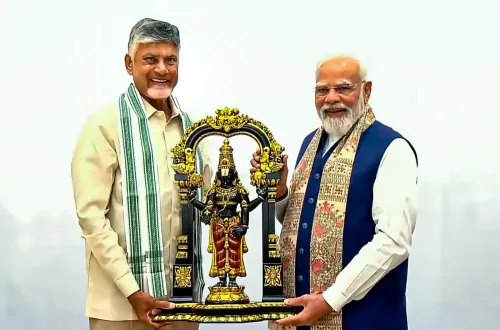
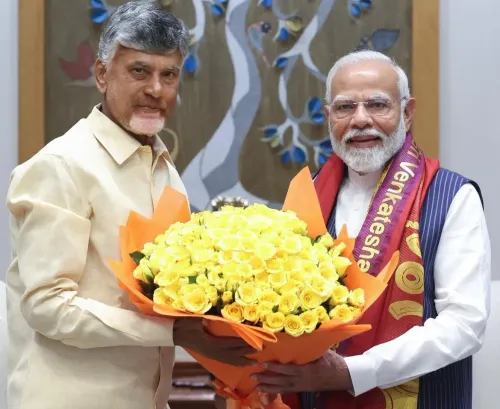
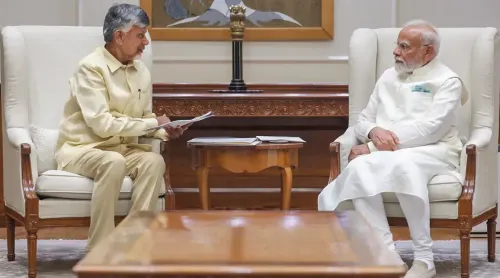
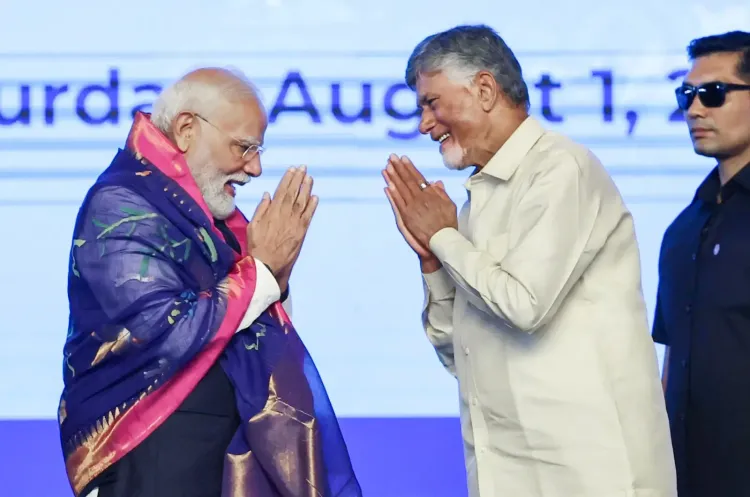
Andhra Pradesh Chief Minister N. Chandrababu Naidu on Wednesday, 7 October 2026 praised Prime Minister Narendra Modi's 25 years of uninterrupted executive leadership, saying the journey reflects India's transformation and its rising national ambitions. Naidu's remarks came as Modi completed a quarter-century at the helm of government — beginning with his oath as Gujarat Chief Minister on 7 October 2001 and continuing through three terms as Prime Minister of India.
Naidu's Tribute in The Hindu
Writing in an opinion article published in The Hindu, Naidu drew on his own four-decade career to frame the tribute. 'In my 48 years in public life, I have seen governments change, economies transform, technologies disrupt the world, and leaders rise and fall. One lesson has only become clearer with time: leadership matters,' he wrote.
Reflecting on what distinguishes Modi's tenure, Naidu cited 'clarity of vision, integrity, discipline, attention to detail and, above all, the ability to execute' as the defining qualities of the Prime Minister's journey.
Governance Through Adversity
Naidu argued that the true test of Modi's leadership lay in how India navigated successive crises — a global pandemic, multiple geopolitical conflicts, and rapid technological disruption. 'India has remained steady at the wheel,' he wrote, adding that the country had 'expanded infrastructure at an unprecedented pace, strengthened welfare delivery, embraced technology, encouraged enterprise and emerged with greater confidence on the world stage.'
He also highlighted what he described as Modi's commitment to cooperative federalism, noting that the Prime Minister 'has a strong belief in Team India' and recognises that national transformation cannot be driven from New Delhi alone.
India's Elevated Global Standing
The Andhra Pradesh Chief Minister pointed to a marked shift in India's international stature during Modi's tenure. He said India today 'protects its national interest while engaging with different centres of global power, preserves strategic autonomy while building deeper partnerships, and projects its civilisational confidence as a modern, technology-driven nation.'
These remarks echo a broader consensus among Modi's allies that India's assertive multilateral posture — at forums such as the G20, BRICS, and the Quad — has been a distinguishing feature of his foreign policy record.
A Vision for the Next Two Decades
Naidu closed his tribute with a forward-looking assessment. 'Mr Modi's 25 years in executive leadership have demonstrated the qualities such a moment demands. Twenty-five years have established his record. The next 20 years can establish India's place in history,' he wrote, framing the milestone not as a conclusion but as a staging post for India's longer-term global ambitions.
Naidu separately shared his sentiments on social media platform X, noting that 'few leaders get the opportunity to shape a generation — rarer still are those who help shape the destiny of a nation.'
As Modi enters the next chapter of his tenure, the political significance of this milestone is unlikely to be lost on allies and critics alike — with the ruling coalition keen to frame the anniversary as a mandate for continued reform.
Point of View
On one level, a political ally's anniversary note — but its placement in a broadsheet op-ed and its simultaneous amplification on X signals a deliberate effort to cement the '25-year narrative' as an electoral asset ahead of the next cycle. What the article elides is accountability: the same period that saw India's global rise also saw questions about institutional independence, jobs creation, and inequality that a balanced accounting would require. The framing of Modi's record as purely transformational, with no acknowledgement of these tensions, tells you as much about the ruling coalition's communication strategy as it does about the Prime Minister's actual governance record.
NationPress
7 Oct 2026
Frequently Asked Questions
Why is PM Modi's 25-year leadership milestone significant?
PM Narendra Modi completed 25 uninterrupted years as an executive head of government on 7 October 2026, having first taken oath as Gujarat Chief Minister on 7 October 2001 before going on to serve three terms as Prime Minister. This makes him one of India's longest-serving executive leaders in the democratic era.
What did Chandrababu Naidu say about PM Modi?
Andhra Pradesh CM N. Chandrababu Naidu wrote an opinion article in The Hindu praising Modi's clarity of vision, discipline, and ability to execute. Drawing on 48 years of his own public life, Naidu described Modi's leadership as exceptional and said India had emerged with greater global confidence under his watch.
Where did Naidu publish his tribute to PM Modi?
Naidu's tribute appeared as an opinion article in The Hindu and was also shared by him on social media platform X. The piece praised Modi's cooperative federalism, crisis management, and India's elevated international stature during his tenure.
What does Naidu say about India's global standing under Modi?
Naidu argued that India's voice is now heard with greater respect on global platforms, with the country preserving strategic autonomy while building deeper international partnerships. He credited Modi's leadership for projecting India's civilisational confidence as a modern, technology-driven nation.
What is Naidu's outlook for India's future?
Naidu wrote that while 25 years have established Modi's record, the next 20 years can establish India's place in history. He framed the leadership milestone as a staging post rather than a conclusion, indicating high expectations for India's continued global ascent.