Trump's 'Golden Fleet': $76 billion naval push to dominate seas for next century
Synopsis
The Trump administration's 'Golden Fleet' is the most ambitious US naval expansion in decades — $76 billion committed, 80-plus new vessels ordered, and a new Maryland shipyard producing Virginia-class nuclear submarines. With a fifth public shipyard in the pipeline for the first time in over 80 years, Washington is signalling that maritime dominance, not just land-based deterrence, is the centrepiece of its 21st-century defence posture.
Key Takeaways
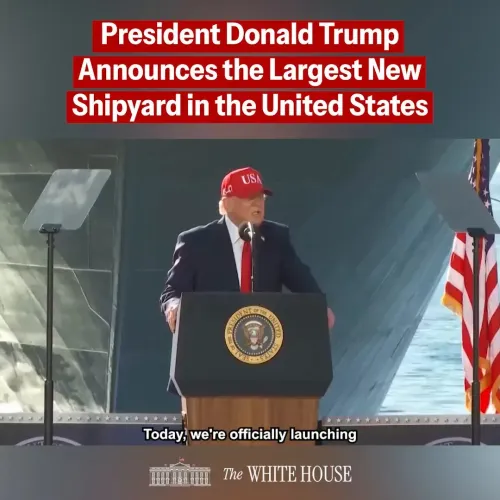
President Donald Trump unveiled the 'Golden Fleet' programme on 7 October 2026 at Sparrows Point, Maryland .
The administration has secured more than $76 billion in shipbuilding funding, with plans for over 80 new US Navy vessels .
The new Sparrows Point shipyard will produce Virginia-class nuclear-powered attack submarines , torpedo tubes, and autonomous underwater vessels.
A presidential memorandum from August directed the Pentagon to plan a fifth public Navy shipyard — the first in more than 80 years .
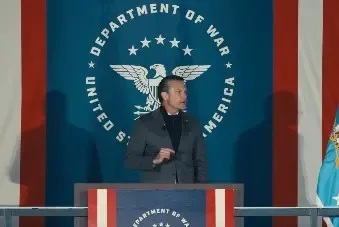
Defence Secretary Pete Hegseth called for speed, scale, and urgency in rebuilding the US defence industrial base.
The administration cited complex designs, design changes, insufficient competition, and a weakened supplier base as root causes of naval production delays.
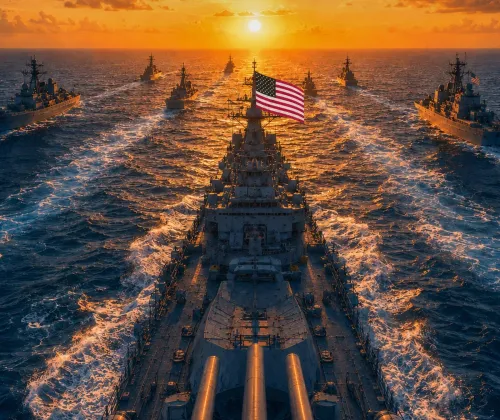
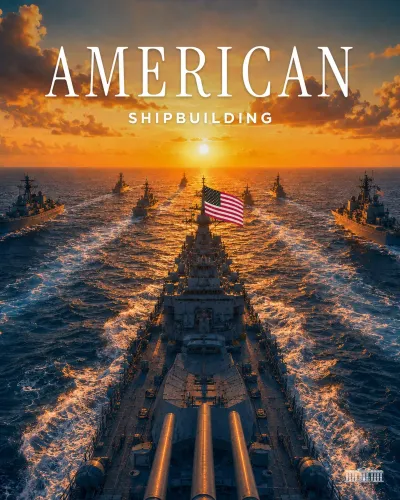
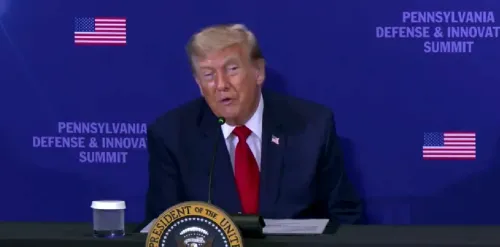
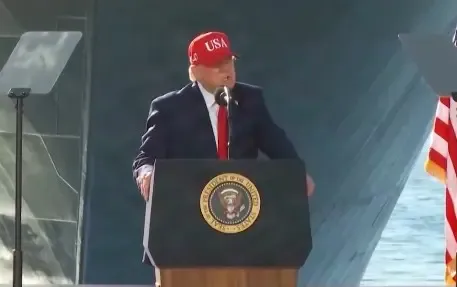
The Trump administration has unveiled an ambitious naval expansion programme dubbed the 'Golden Fleet', committing more than $76 billion in shipbuilding funding and pledging to produce over 80 new vessels for the US Navy — a sweeping effort to restore American maritime supremacy for the next hundred years. The strategy was announced on Tuesday, 7 October 2026, when President Donald Trump visited Sparrows Point, Maryland, where a new high-tech shipyard was formally revealed.
What the Golden Fleet Entails
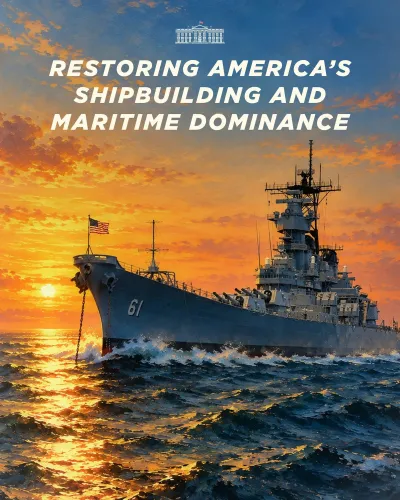
An administration official, speaking at the Sparrows Point event, framed the programme in historic terms: 'The Golden Fleet is a maritime force designed to dominate the seas, project overwhelming power, and guarantee American maritime supremacy for the next century, just as the Great White Fleet did 100 years ago.' The Maryland facility will expand production capacity for Virginia-class nuclear-powered attack submarines, torpedo tubes, other submarine components, and autonomous underwater vessels.
The project is also designed to bring newer defence technology companies into large-scale naval manufacturing — a deliberate move to widen an industrial base long dominated by a small number of established contractors. Officials described the Sparrows Point shipyard as 'a vital linchpin in our overarching naval strategy.'
The Industrial Backdrop
The announcement reflects deep concern in Washington over the erosion of America's shipbuilding capacity and the defence industrial base's ability to deliver ships and submarines quickly enough to meet military requirements. Administration officials have cited complex designs, repeated design changes, insufficient competition, and an atrophied supplier network as structural factors driving persistent delays and cost overruns across major Navy programmes.
Notably, a presidential memorandum issued in August directed the Pentagon to prepare plans for establishing a fifth public Navy shipyard — which would be the first new such facility in more than 80 years. The memorandum also called for greater use of private-sector capacity to improve submarine and aircraft carrier readiness.
What Hegseth and Trump Said
Defence Secretary Pete Hegseth underscored the urgency of the initiative. 'In order to make America great again, you need to make your Navy great again,' Hegseth said. 'You need to make shipbuilding great again, our manufacturing great again, our defense industrial base strong and robust again.' He added that President Trump had 'demanded from the War Department speed, scale and urgency to build an arsenal of freedom befitting our warriors and considering the threats of the 21st century.'
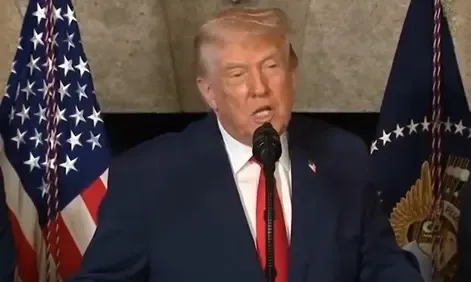
Trump, for his part, argued that the United States had allowed a once-formidable shipbuilding industry to decline and described the new investment as part of a broader 'golden age of shipbuilding' in the country.
Scope Beyond Maryland
The administration has made clear that the Sparrows Point facility is one component of a wider naval strategy. Trump has directed the Pentagon to increase competition among shipbuilders, address delays and cost overruns across major Navy programmes, and significantly expand the industrial base supporting nuclear-powered submarines and aircraft carriers. Federal investment is being combined with private capital, with the goal of drawing new entrants into a sector that has historically been tightly consolidated.
What Comes Next
The Pentagon is now expected to produce detailed plans for the fifth public shipyard, while defence contractors and technology firms are being courted for production partnerships. The scale of the commitment — more than 80 vessels and a $76 billion-plus funding base — signals that the naval rebuild is set to be a defining industrial and geopolitical project of the Trump administration's current term. How quickly the industrial base can be retooled, and whether private-sector entrants can deliver at scale, will determine whether the Golden Fleet ambition translates into operational reality.
Point of View
But the analogy has limits: that era's shipbuilding boom rested on a domestic steel and manufacturing complex that no longer exists at the same scale. The fifth-public-shipyard directive and the push to break contractor concentration are the most structurally significant moves here — if followed through, they could reshape the defence industrial landscape; if not, the Golden Fleet risks becoming another headline number that misses its delivery date.
NationPress
7 Oct 2026
Frequently Asked Questions
What is the US 'Golden Fleet' announced by President Trump?
The Golden Fleet is a large-scale US naval expansion programme announced on 7 October 2026, backed by more than $76 billion in funding and targeting the production of over 80 new vessels for the US Navy. It aims to restore American maritime supremacy for the next century, with a new high-tech shipyard at Sparrows Point, Maryland as its centrepiece.
What will the Sparrows Point shipyard produce?
The new Maryland facility will expand production of Virginia-class nuclear-powered attack submarines, torpedo tubes, other submarine components, and autonomous underwater vessels. It is also intended to bring newer defence technology companies into large-scale naval manufacturing.
Why is the US pursuing this naval expansion now?
Washington has expressed significant concern over the erosion of America's shipbuilding capacity and the defence industrial base's ability to deliver ships and submarines quickly enough to meet military requirements. Officials cite complex designs, repeated design changes, insufficient competition, and an atrophied supplier base as key structural problems driving delays and cost overruns.
What is the fifth public Navy shipyard, and why does it matter?
A presidential memorandum issued in August directed the Pentagon to plan for a fifth public Navy shipyard — which would be the first such facility built in more than 80 years. The move signals an effort to expand state-backed production capacity alongside private-sector investment to address persistent bottlenecks in submarine and aircraft carrier readiness.
How does the Golden Fleet compare to historical US naval build-ups?
Administration officials drew an explicit parallel to the Great White Fleet of around 100 years ago, which was a major show of American naval power under President Theodore Roosevelt. The current push is framed as an equivalent generational commitment, though analysts note that the domestic industrial base underpinning such an expansion is significantly more constrained today than it was in the early 20th century.