Trump launches $6.6bn Arsenal-2 shipyard, largest since WWII
Synopsis
Trump and Hegseth have unveiled Arsenal-2 — a $6.6 billion shipyard at Sparrows Point, Maryland, billed as the largest built in the US since World War II. With Anduril putting in $3.7 billion and the Navy contributing up to $2.9 billion, the project targets Virginia-class submarine components and autonomous underwater vessels, and arrives at a moment when US shipbuilding capacity is under intense strategic scrutiny — particularly from AUKUS partners waiting on submarine deliveries.
Key Takeaways
President Trump launched the Arsenal-2 shipyard project on 7 October 2026 at Sparrows Point, Maryland .
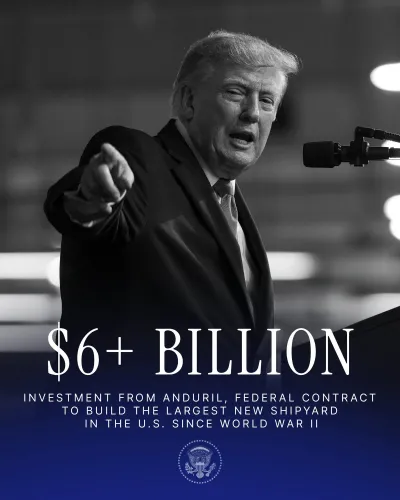
Total investment: $6.6 billion — $3.7 billion from Anduril Industries and up to $2.9 billion from the US Navy .
The facility is described as the largest new US shipyard built since World War II .
Arsenal-2 will produce components for Virginia-class nuclear-powered attack submarines and autonomous underwater vessels .
The project is projected to create more than 3,100 direct jobs in Maryland and support 11,000 jobs nationally.
The launch has direct implications for the AUKUS pact, as Australia and the UK await Virginia-class submarine deliveries.
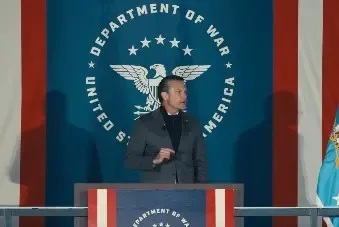
US President Donald Trump and Defence Secretary Pete Hegseth on 7 October 2026 officially launched the Arsenal-2 shipyard project at Sparrows Point, Maryland — a $6.6 billion public-private investment that the administration describes as the largest new shipyard built in the United States since World War II. The facility will expand production of nuclear submarine components and autonomous underwater vessels, marking a significant escalation in American defence-industrial ambition.
How the $6.6 Billion Is Structured
Defence technology company Anduril Industries is committing $3.7 billion to build and operate the facility, while the US Navy is contributing up to $2.9 billion under an agreement tied to production outcomes rather than upfront allocation. The arrangement represents an unusual move by Anduril — a firm best known for autonomous systems — into the heavy industrial base supporting nuclear-powered submarines.
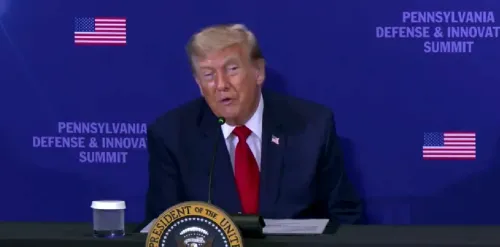
'In a tremendous victory for our country and for the city of Baltimore, Anduril is investing $3.7 billion dollars in a state-of-the-art shipyard that will be known forever as Arsenal-2,' Trump said at the launch ceremony.
What Arsenal-2 Will Produce
According to the administration and Anduril, the facility will initially manufacture components for Virginia-class nuclear-powered attack submarines — a programme where the Navy has long sought to expand its industrial base and accelerate output. Over time, Arsenal-2 is also expected to produce autonomous underwater vessels, reflecting the Pentagon's growing reliance on unmanned maritime systems.
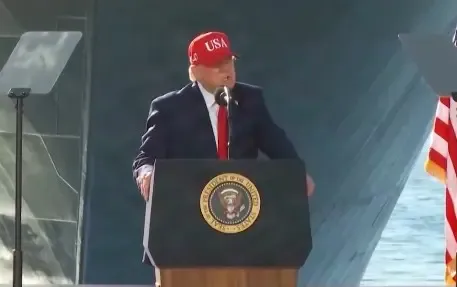
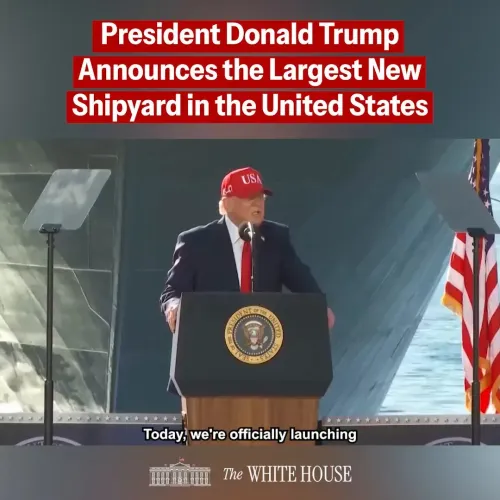
'Today, we're officially launching the construction of the largest new shipyard in the United States,' Trump said. 'Since World War II, there's been nothing like what we're doing today.'
Jobs and Economic Impact
The administration said the project would directly create more than 3,100 jobs in Maryland and support an additional 11,000 jobs across the country through the wider supply chain. Sparrows Point — the chosen site — carries a long history of American industrial production, lending the launch symbolic weight alongside its economic significance.
'This massive project will create over 3,100 new jobs right here in Maryland and will support an additional 11,000 jobs across the nation,' Trump said.
Pentagon's Broader Defence Push
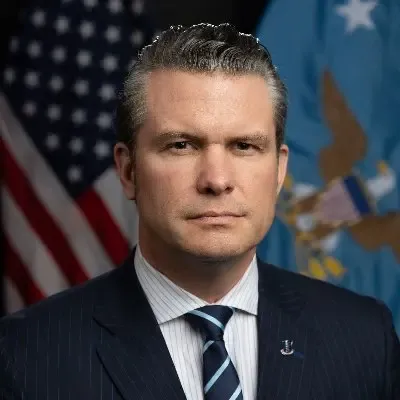
Defence Secretary Hegseth framed Arsenal-2 as a centrepiece of the administration's drive to rebuild US military-industrial capacity. 'In order to make America great again, you need to make your Navy great again,' he said. 'You need to make shipbuilding great again, our manufacturing great again, our defense industrial base strong and robust again.'
Hegseth added that from the outset of the Trump administration, the Pentagon had been directed to prioritise 'speed, scale and urgency' in weapons production. This comes amid intensifying competition with China, which has dramatically expanded its own naval shipbuilding capacity over the past decade and now operates the world's largest navy by vessel count. Analysts have repeatedly flagged the US submarine industrial base as a strategic vulnerability, making the Arsenal-2 announcement directly relevant to Indo-Pacific security calculations — including for AUKUS partners Australia and the United Kingdom, who are awaiting Virginia-class submarine deliveries under that trilateral pact.
What Comes Next
Trump told attendees to return in two years to see the transformation. 'When you come back in two years, you're not going to believe what you see,' he said, projecting that the site would 'roar with the sound of high-tech manufacturing, building ships and submarines.' Construction timelines and milestone-linked disbursement schedules have not yet been publicly detailed, and the project's ultimate delivery speed will be closely watched by both AUKUS partners and congressional defence committees.
Point of View
Which directly jeopardises AUKUS commitments to Australia. Bringing in Anduril, a technology-first company with no legacy shipyard baggage, is a deliberate structural bet, but the real test will come in execution timelines and milestone accountability. The $2.9 billion Navy contribution tied to production outcomes is the right architecture on paper; whether it survives political and procurement turbulence is another question entirely. For India, watching a peer competitor in the Indo-Pacific — China — continue its naval build-up, the pace at which Arsenal-2 delivers will matter beyond American borders.
NationPress
7 Oct 2026
Frequently Asked Questions
What is the Arsenal-2 shipyard project announced by Trump?
Arsenal-2 is a $6.6 billion public-private shipyard project launched on 7 October 2026 at Sparrows Point, Maryland, described by the Trump administration as the largest new US naval facility built since World War II. It will produce components for Virginia-class nuclear-powered attack submarines and autonomous underwater vessels.
Who is funding the Arsenal-2 shipyard?
Anduril Industries is investing $3.7 billion to build and operate the facility, while the US Navy is contributing up to $2.9 billion under an agreement linked to production outcomes. The combined $6.6 billion represents a significant expansion of the US submarine industrial base.
How many jobs will the Arsenal-2 project create?
The Trump administration says Arsenal-2 will directly create more than 3,100 jobs in Maryland and support an additional 11,000 jobs across the United States through the broader defence supply chain.
Why does this matter for AUKUS and the Indo-Pacific?
The US has faced pressure to accelerate Virginia-class submarine production to fulfil its AUKUS commitments to Australia and the United Kingdom. Expanding the submarine industrial base at Arsenal-2 is directly relevant to meeting those delivery timelines and to countering China's rapid naval expansion in the Indo-Pacific.
What is Anduril Industries and why is its involvement significant?
Anduril Industries is a US defence technology company primarily known for autonomous systems. Its entry into heavy naval manufacturing at Arsenal-2 marks an unusual and significant expansion into the nuclear-powered submarine industrial base, signalling the Pentagon's intent to bring in technology-forward firms to modernise defence production.