India's drone strategy backs Atmanirbhar Bharat with indigenous push
Synopsis
India's drone strategy isn't just a defence procurement exercise — it's a dual-use industrial bet. By pairing domestically produced tactical drones with the 31 US-made MQ-9B Predators, New Delhi is building a layered autonomous warfare network while simultaneously trying to seed a globally competitive drone manufacturing sector under the Atmanirbhar Bharat banner.
Key Takeaways
India's drone programme is designed to modernise the armed forces and build a globally competitive domestic drone industry under Atmanirbhar Bharat .
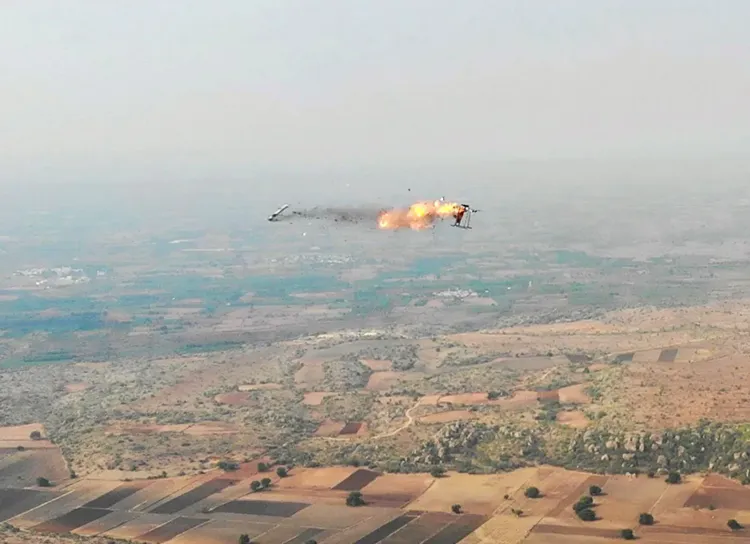
Planned acquisitions include reconnaissance drones , loitering munitions , armed strike platforms , and logistics drones .
The indigenous programme will complement the procurement of 31 MQ-9B Predator drones from the United States , serving different but complementary operational roles.
Together, the systems could form a layered surveillance and combat network from the Himalayas to the Indian Ocean , according to the Directus report.
The strategy reflects India's assessment that future warfare will be driven by autonomous systems , AI , and electronic warfare .
India's drone programme is emerging as one of the most consequential pillars of the country's defence modernisation, going well beyond conventional procurement to serve as a strategic instrument for industrial self-reliance, reduced foreign dependence, and readiness for 21st-century warfare, according to a report by Athens-based defence and geopolitics publication Directus.
More Than a Military Programme
Unlike India's traditional defence acquisitions — historically reliant on foreign suppliers — the new drone initiative is expected to prioritise domestic production at scale. The report notes that government officials increasingly view drone development as a sector where India can rapidly establish globally competitive capabilities.
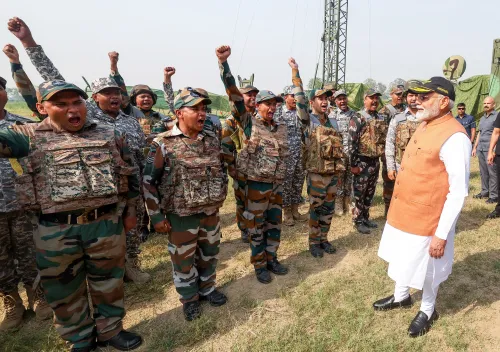
'The move aligns closely with Prime Minister Narendra Modi's Atmanirbhar Bharat (Self-Reliant India) vision, which seeks to strengthen indigenous manufacturing and reduce dependence on foreign technology,' the Directus report stated. 'The goal is not only to strengthen national security but also to create a domestic drone industry capable of competing in international markets.'
What the Procurement Envisions
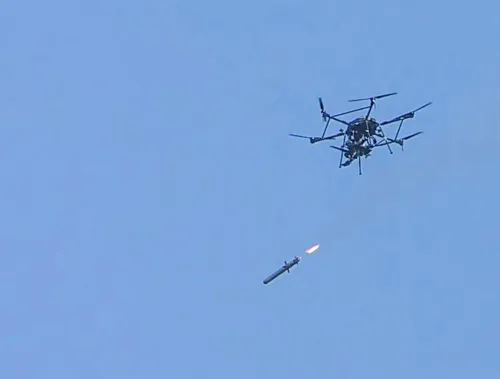
India's proposed drone procurement programme, as outlined in the report, envisions a comprehensive network of unmanned capabilities across diverse operational domains. The acquisition is expected to include reconnaissance and surveillance drones, logistics and supply drones, loitering munitions, armed strike platforms, and tactical battlefield support systems.
Collectively, these systems would provide continuous surveillance, faster battlefield awareness, and rapid-response strike capabilities across multiple theatres of operation.
Complementing the MQ-9B Predator Deal
India's indigenous drone expansion is set to run alongside another major defence acquisition: the procurement of 31 MQ-9B Predator drones from the United States. The two initiatives are designed to serve different but complementary operational roles, according to the report.
'The American-made MQ-9B platforms will provide long-range surveillance, intelligence gathering, and strategic strike capabilities. Meanwhile, domestically produced drones will operate closer to the battlefield, providing tactical support, reconnaissance, and rapid-response capabilities,' the Directus report noted.
Together, the report argues, these systems could create a layered surveillance and combat network stretching from the Himalayan frontier to the Indian Ocean — significantly enhancing India's ability to monitor threats and respond across multiple fronts.
The Strategic Logic: Future Warfare
The Directus report emphasised that India's drone strategy is grounded in the understanding that future warfare will not be decided solely by tanks, aircraft, or warships, but will be driven by autonomous systems, artificial intelligence, electronic warfare, and rapid decision-making.
'As global powers race to master these technologies, India is positioning itself to become both a major military drone operator and a significant producer of unmanned systems,' the report stated. This comes amid a broader global shift in military doctrine, with countries from the United States to Turkey and China accelerating investments in autonomous combat platforms.
Industrial and Economic Dimensions
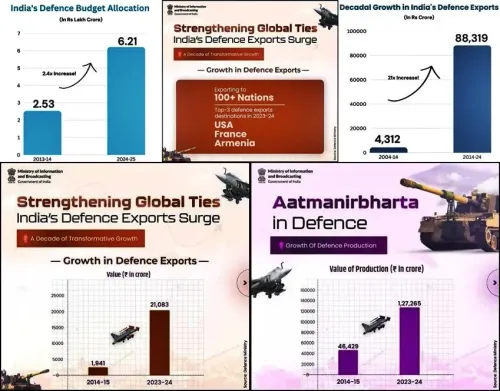
Notably, the drone strategy is being framed as much as an economic project as a military one. By anchoring procurement in domestic industry, the Centre aims to generate high-value manufacturing jobs, build export-capable technology firms, and reduce the foreign exchange outflow historically associated with defence imports. India's defence export target of ₹50,000 crore by 2028-29 makes the drone sector a critical plank in that ambition. Whether the domestic industry can scale fast enough to meet military timelines remains the key execution question.
Point of View
With few firms capable of delivering at the scale and reliability the armed forces require. Pairing indigenous tactical drones with the MQ-9B Predator is sensible doctrine, but it also means the success of the self-reliance narrative is contingent on private sector capacity that has yet to be proven at scale. The real test will come when procurement timelines collide with domestic delivery schedules — and whether the Centre is willing to accept delays in the name of indigenisation or quietly reverts to foreign sourcing.
NationPress
17 Sept 2026
Frequently Asked Questions
What is India's drone procurement strategy under Atmanirbhar Bharat?
India's drone procurement strategy prioritises domestic production of unmanned systems — including reconnaissance drones, loitering munitions, and armed strike platforms — as part of Prime Minister Narendra Modi's Atmanirbhar Bharat vision. The goal is to reduce dependence on foreign suppliers while building an indigenous drone industry capable of competing in global markets.
How does India's indigenous drone programme relate to the MQ-9B Predator deal?
The two programmes are designed to be complementary. The 31 US-made MQ-9B Predator drones will handle long-range surveillance and strategic strike roles, while domestically produced drones will provide tactical battlefield support, reconnaissance, and rapid-response capabilities closer to the front line.
What types of drones is India planning to procure domestically?
According to the Directus report, India's domestic drone programme is expected to cover reconnaissance and surveillance drones, logistics and supply drones, loitering munitions, armed strike platforms, and tactical battlefield support systems.
Why does India view drone development as strategically important?
India's defence establishment believes future warfare will be driven by autonomous systems, artificial intelligence, and electronic warfare rather than conventional platforms alone. Developing a domestic drone industry also serves economic goals — generating manufacturing jobs and contributing to India's defence export targets.
What is the geographic scope of the drone network India is building?
The Directus report suggests that the combined indigenous and imported drone systems could create a layered surveillance and combat network stretching from the Himalayan frontier to the Indian Ocean, enhancing India's ability to monitor and respond to threats across multiple theatres of operation.