How is India Supporting Myanmar's Transition to Democracy?
Synopsis
New Delhi emphasizes its support for Myanmar's democratic transition, anticipating upcoming elections to be inclusive. As international scrutiny rises, the need for a credible electoral process and humanitarian assistance is critical. Discover how India is contributing to peace and stability in the region amidst ongoing challenges.
Key Takeaways
India supports a democratic transition in Myanmar.
Upcoming elections must be free, fair, and inclusive.
India provided humanitarian aid following the recent earthquake.
Political repression has intensified since the 2021 coup.
The UN has raised concerns about the electoral environment.
New Delhi, Dec 8 (NationPress) On Monday, India reaffirmed its commitment to supporting Myanmar's transition to democracy, expressing hope that the upcoming elections in the neighboring nation will be free, fair, and inclusive.
During a weekly media briefing, Randhir Jaiswal, spokesperson for the Ministry of External Affairs (MEA), emphasized, "India endorses the transition to democracy in Myanmar, asserting that the involvement of all stakeholders is crucial for ensuring the credibility of the electoral process to be held there."
"Elections must be free, fair, and inclusive. India remains committed to backing all initiatives that foster peace, dialogue, and a return to normalcy in the nation," he added.
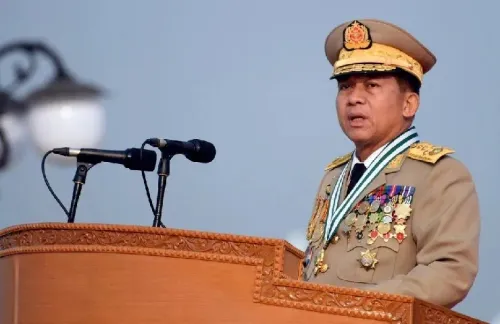
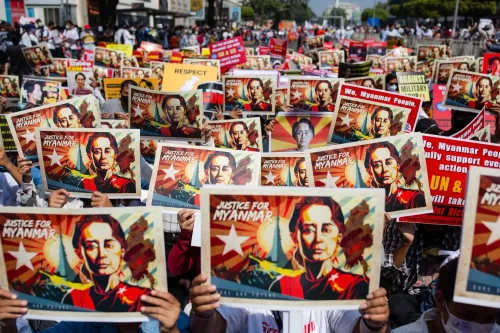
Recently, a US-based advocacy organization urged foreign governments to dismiss the Myanmar junta's plans to conduct elections from late December 2025 to January 2026, claiming that these elections will not meet the standards of being free, fair, or inclusive.
The rights group alleged that since the military coup in February 2021, the junta has systematically undermined the rule of law and the emerging democratic frameworks, intensifying repression and violence ahead of the elections.
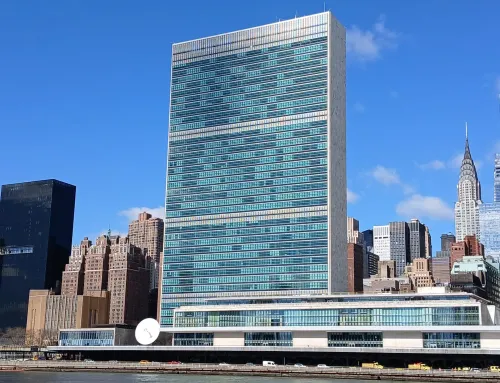
On November 28, Jeremy Laurence, spokesperson for the UN Human Rights Office (OHCHR), described the upcoming elections as a military-controlled process occurring in an atmosphere "rife with threats and violence" that actively suppresses political participation.
He noted that many significant political parties have been excluded, with over 30,000 political adversaries—including members of the elected government and political representatives—detained since the coup.
"This process is unlikely to lead to a political transition toward stability and the restoration of democratic and civilian rule; rather, it is poised to exacerbate insecurity, fear, and polarization throughout the country," Laurence told reporters in Geneva.
According to the United Nations Office for the Coordination of Humanitarian Affairs (UNOCHA), the people of Myanmar continue to face compounded crises, including ongoing conflict, seasonal flooding, and a devastating earthquake that occurred in March 2025.
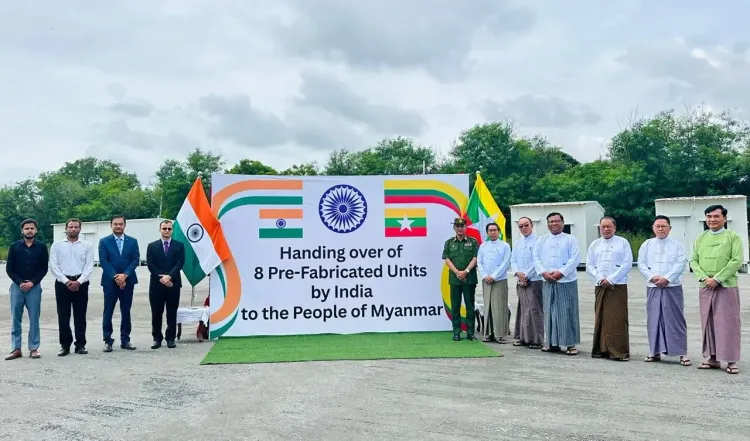
In response to these crises, India launched 'Operation Brahma' to provide essential support, including Search and Rescue (SAR), humanitarian aid, disaster relief, and medical assistance, following the earthquake that hit Myanmar on March 28 earlier this year.
"We were among the first responders to the recent earthquake in Myanmar, deploying a large team for relief efforts. We provided humanitarian assistance and medical support, establishing a temporary hospital and continuing to offer help to restore normalcy. Our development cooperation with Myanmar is a key aspect of our collaboration," Jaiswal stated on Monday.
Point of View
It is essential to recognize India's commitment to fostering democracy in Myanmar while addressing critical humanitarian needs. The geopolitical landscape remains complex, but India's support for a peaceful and inclusive electoral process showcases its dedication to regional stability.
NationPress
30 Sept 2026
Frequently Asked Questions
What is India's stance on Myanmar's elections?
India supports a transition to democracy in Myanmar, emphasizing the importance of free, fair, and inclusive elections.
What actions has India taken in response to the crises in Myanmar?
India launched 'Operation Brahma' to provide humanitarian aid, disaster relief, and medical assistance following the earthquake.
What concerns have been raised about the upcoming elections in Myanmar?
Critics argue that the elections will not be free or fair due to the political repression and exclusion of major parties.