Indonesia Pursues Energy Partnership with Russia Amid Global Turmoil

Synopsis
Indonesia is actively seeking to forge energy partnerships with Russia, focusing on refining and storage facilities to enhance its domestic capabilities and reduce fuel imports, amidst rising global energy concerns.
Key Takeaways
Indonesia is exploring energy partnerships with Russia.
Focus on developing oil refineries and storage facilities.
Aims to boost domestic refining capacity.
Seeks to reduce reliance on imported fuels.
Global oil prices are experiencing significant fluctuations.
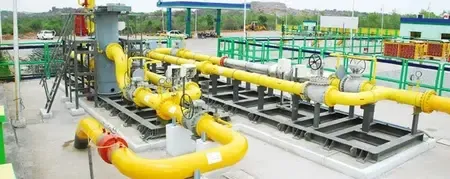
Jakarta, April 18 (NationPress) Indonesia is currently investigating potential collaborations in the energy sector with Russia. This includes ambitious plans to construct oil refineries and storage facilities, as stated by the Minister of Energy and Mineral Resources, Bahlil Lahadalia.
This initiative is part of the government's extensive strategy to bolster national energy security and enhance downstream capabilities within the oil and gas industry.
The anticipated partnership aims to assist Indonesia in increasing its domestic refining capacity and decreasing dependence on imported fuels, Lahadalia remarked on Friday (local time).
Beyond just refinery development, the proposal for storage facilities is considered vital for boosting national energy reserves and ensuring stability in supply, especially during turbulent times in the global oil market, according to reports from the Xinhua news agency.
Lahadalia emphasized that the government is receptive to foreign investments that align with national priorities, particularly in the energy domain.
"The prospective alliance with Russia illustrates Indonesia's approach to diversifying its energy partnerships while accelerating infrastructure projects to fulfill growing domestic demand," he stated.
In related news, the US Department of the Treasury has renewed a waiver that allows the delivery and sale of sanctioned Russian oil that has already been loaded onto ships, extending the deadline to May 16, as per a document published on its official website.
This renewal comes after the previous 30-day waiver expired on April 11.
The new license issued on Friday (local time) is part of the administration's broader initiatives aimed at stabilizing global energy prices, which have surged due to the ongoing US-Israeli conflict with Iran.
This decision arrives at a time when several nations are grappling with the repercussions of rising energy costs and supply disruptions.
Simultaneously, the waiver maintains strict restrictions on transactions involving certain nations.
This action follows remarks by US Treasury Secretary Scott Bessent, indicating that Washington does not plan to extend such waivers indefinitely amid escalating geopolitical tensions.
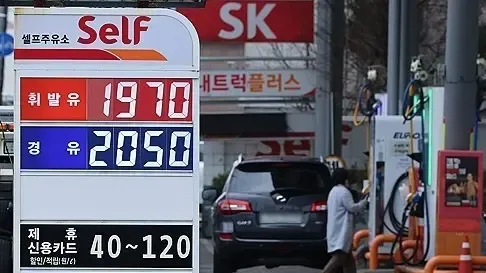
In the meantime, global oil prices experienced a significant drop of approximately 9 percent on Friday, hovering around $90 per barrel after Iran temporarily reopened the Strait of Hormuz, a crucial global energy transit corridor.
Nevertheless, the ongoing conflict has already led to what the International Energy Agency describes as the worst disruption to global energy supplies ever recorded.
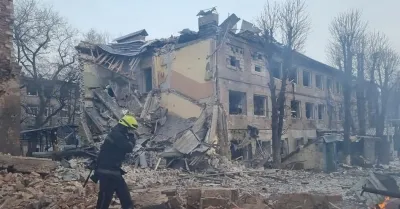
The war, which has now extended into its eighth week as of Saturday, has reportedly caused damage to over 80 oil and gas facilities across West Asia.
Point of View
I see Indonesia's exploration of energy cooperation with Russia as a strategic move to diversify its energy sources and enhance national security. This step reflects a proactive approach in addressing domestic energy demands amidst global uncertainties.
NationPress
19 Sept 2026
Frequently Asked Questions
What is Indonesia planning with Russia?
Indonesia is exploring energy cooperation with Russia, focusing on developing oil refineries and storage facilities.
Why is this cooperation important for Indonesia?
It aims to boost domestic refining capacity and reduce reliance on imported fuels, enhancing national energy security.
What are the implications of the US waiver on Russian oil?
The US waiver allows sanctioned Russian oil deliveries, which may affect global energy prices amid ongoing geopolitical tensions.
How are global oil prices reacting to the current situation?
Global oil prices have dropped significantly, influenced by geopolitical events and market instability.
What is the broader context of these developments?
These initiatives come against the backdrop of rising energy costs and disruptions due to the ongoing conflict in West Asia.