IOM repatriates 171 Somali migrants from Libya on charter flight
Synopsis
A charter flight organised by the IOM returned 171 Somali migrants — including three minors — from Libya to Somalia on 14 September, the latest in a series of EU-backed repatriations that have now brought roughly 2,000 people home since 2022. Hundreds more remain stranded in Libya under dangerous conditions, with further flights planned for late 2026.
Key Takeaways
The IOM repatriated 171 Somali migrants , including 3 minors , from Libya on 14 September 2026 .
42 returnees disembarked in Hargeisa ; the rest arrived in Mogadishu .
The operation was funded by the European Union under the MPRR-SSA programme in coordination with the Somali government .
Since August 2022 , the EU-IOM partnership has repatriated approximately 2,000 Somali migrants from Libya.
Additional charter flights are reportedly scheduled for late 2026 , while hundreds still remain stranded in Libya.
Returnees receive housing, medical care, mental health support, and individualised financial assistance for reintegration.
The International Organisation for Migration (IOM) on Monday, 14 September 2026 repatriated 171 Somali migrants stranded in Libya aboard a charter flight, returning them safely to Somalia after they survived harrowing journeys marked by exploitation, abuse, and severe hardship at the hands of smugglers. Among the returnees were three minors.
How the Return Was Organised
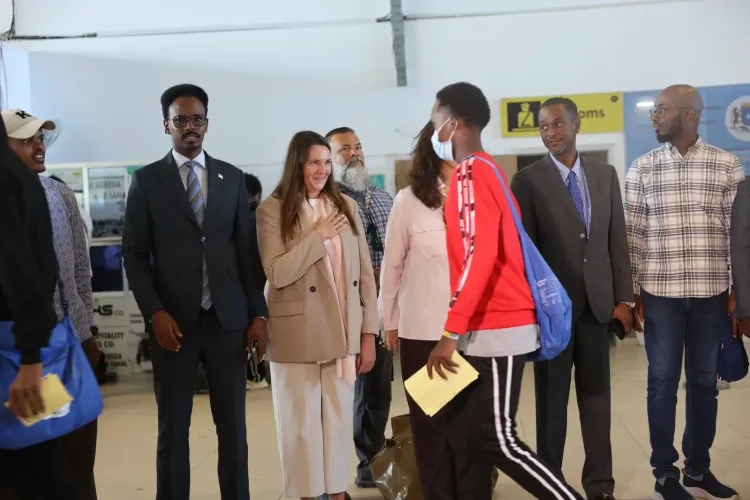
The charter flight, supported by the European Union through the Migrant Protection, Return and Reintegration in Sub-Saharan Africa (MPRR-SSA) programme and coordinated with the Somali government, made its first stop in Hargeisa in northern Somalia, where 42 returnees disembarked. The remaining migrants landed in the capital, Mogadishu, where they were greeted by authorities and family members before receiving immediate post-arrival assistance.
What the Returnees Faced
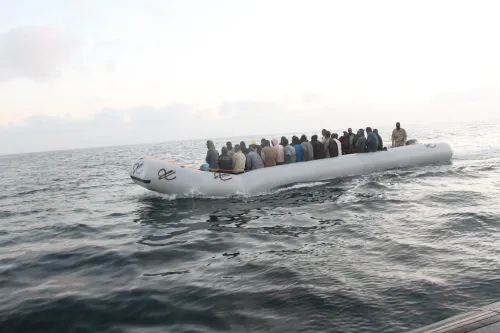
Many of those repatriated had been separated from their families and left without access to food, shelter, or medical care in Libya. According to the IOM's Displacement Tracking Matrix (DTM), hundreds of Somali migrants remain stranded in Libya under dangerous conditions, with severe insecurity compounding their vulnerability. The IOM described the situation as one of urgent humanitarian need.
What the IOM Said
Manuel Marques Pereira, chief of mission for IOM Somalia, said in a statement issued in Mogadishu: 'Migration should never compromise a person's safety, dignity or future. By supporting voluntary returns and reintegration, the government, the European Union and IOM are enabling Somali migrants to turn a challenging chapter into an opportunity to rebuild their lives at home, in safety, with dignity, and integrated in their communities.'
Reintegration Support and Programme Scale
Under the MPRR-SSA initiative, returnees receive housing, medical and mental health care, and transport to their home regions upon arrival. They are subsequently provided with individualised financial assistance to support long-term reintegration into local communities. Since August 2022, the EU-IOM partnership with the Somali government has facilitated the voluntary return of approximately 2,000 Somali migrants from Libya. Additional charter flights are reportedly scheduled for late 2026.
Broader Context
Libya has long served as a key transit and detention point for migrants from sub-Saharan Africa attempting to reach Europe. Conditions in Libyan detention facilities and smuggler-run camps have repeatedly drawn international condemnation from human rights organisations. This latest repatriation underscores the ongoing scale of the crisis — and the gap between voluntary return capacity and the number still stranded. With more flights planned, the EU-IOM initiative is being tested as a model for managed humanitarian return at scale.
Point of View
000 since 2022 — is meaningful, but the IOM's own Displacement Tracking Matrix confirms that hundreds more remain stranded, underscoring the gap between repatriation capacity and the actual size of the problem. Libya's role as a chokepoint for sub-Saharan migration has persisted for over a decade, and EU-funded return programmes, however well-run, address consequences rather than root causes. Until conditions in origin countries and transit routes meaningfully improve, the pipeline of people making the dangerous Libya crossing will continue to outpace voluntary return efforts. The scheduled late-2026 flights suggest the operation is being institutionalised — which is a step forward — but the humanitarian deficit in Libya camps remains acute.
NationPress
15 Sept 2026
Frequently Asked Questions
How many Somali migrants were repatriated from Libya by the IOM?
A total of 171 Somali migrants, including three minors, were repatriated from Libya by the IOM on 14 September 2026 aboard a charter flight. The returnees had been stranded in Libya after surviving dangerous journeys across multiple countries.
Who funded the Somali migrant repatriation from Libya?
The repatriation was funded by the European Union through the Migrant Protection, Return and Reintegration in Sub-Saharan Africa (MPRR-SSA) programme, in coordination with the Somali government and the IOM.
Where did the charter flight land in Somalia?
The charter flight first landed in Hargeisa in northern Somalia, where 42 returnees disembarked, before continuing to Mogadishu, where the remaining migrants were received by authorities and families.
How many Somali migrants have been returned from Libya since the programme began?
Since August 2022, the EU-IOM partnership with the Somali government has facilitated the voluntary return of approximately 2,000 Somali migrants from Libya. Additional charter flights are reportedly scheduled for late 2026.
What support do returning Somali migrants receive after repatriation?
Returnees under the MPRR-SSA initiative receive immediate post-arrival assistance including housing, medical and mental health care, and transport to their home regions. They later receive individualised financial assistance to support long-term reintegration into local communities.