Jharkhand CMO: Preeti Kujur of Simdega rescued from Oman
Synopsis
Preeti Kujur, a Simdega resident stranded in Oman, is set to return home on 2 August 2026 after CM Hemant Soren ordered her rescue. The Jharkhand Migrant Cell and Indian Embassy in Muscat coordinated the repatriation, underscoring the state's inter-agency mechanism for distressed overseas workers.
Key Takeaways
Preeti Kujur of Simdega, Jharkhand has been safely rescued from Oman and is due home on 2 August 2026 .
The rescue was ordered by Chief Minister Hemant Soren and executed by the state Labour Department's Migrant Cell in coordination with the Indian Embassy in Muscat .
Simdega is a tribal-majority district with documented patterns of out-migration and associated vulnerability to unsafe overseas recruitment.
Jharkhand established dedicated migrant assistance mechanisms after 2019 to coordinate distress cases with Indian missions abroad.
The District Collector of Simdega has been looped in, signalling active preparation for Preeti's return.
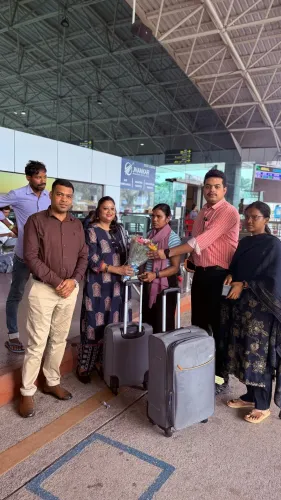
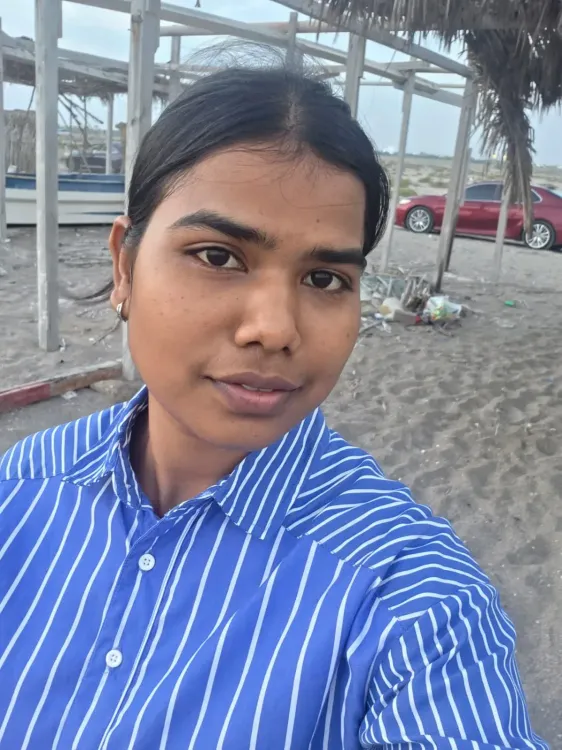
A young woman from one of Jharkhand's most remote tribal districts is coming home. Preeti Kujur, a resident of Simdega, was stranded in Oman — and on 1 August 2026, the Chief Minister's Office of Jharkhand announced her safe return, crediting swift inter-agency action ordered by Chief Minister Hemant Soren.
The CMO's post confirmed that Preeti is set to reach home on 2 August 2026, following coordinated action by the state's Labour Department, its dedicated Jharkhand Migrant Cell, and the Indian Embassy in Muscat. The announcement, directed also at Simdega's District Collector, signals that the ground machinery is on alert for her arrival.
Simdega's migration trail and why it matters
Simdega is a tribal-majority district with a well-documented history of out-migration driven by limited local employment. Women from such districts are disproportionately vulnerable to unsafe overseas recruitment — promised domestic or care work abroad, they can find themselves in situations with no legal recourse and no easy way home.
Jharkhand's Labour Department established dedicated migrant assistance mechanisms after 2019, specifically to plug this gap — creating a coordination channel between the state government and Indian diplomatic missions in Gulf countries. Preeti Kujur's case is a direct product of that architecture working as intended.
How the rescue unfolded
According to the CMO's post, Chief Minister Hemant Soren personally ordered the intervention. The Jharkhand Migrant Cell — the labour department unit tasked with tracking overseas workers in distress — then coordinated with the Indian Embassy in Muscat to secure Preeti's exit from Oman and arrange her return. The District Collector of Simdega (@dc_simdega) was looped in, pointing to active on-ground preparation for her homecoming.
The pattern mirrors how several Indian states now handle Gulf repatriation cases: a state-level labour cell flags the case, the relevant Indian mission facilitates consular protection and travel documents, and local district administration coordinates the final leg home.
A signal beyond one rescue
Single repatriation cases rarely make headlines — but they carry outsized political and policy weight in states like Jharkhand, where labour migration to West Asia is a lived reality for thousands of families. Each successful rescue both validates the migrant cell model and keeps pressure on the state to strengthen recruitment oversight before workers ever leave.
For Preeti Kujur's family in Simdega, the machinery delivered. The harder question — how many others are still waiting — will define whether this moment becomes a template or a footnote.
Point of View
When activated by political will at the top, can compress what were once weeks-long diplomatic processes into rapid interventions. For the Hemant Soren government, publicising such cases serves a dual purpose: it reinforces the JMM's 'daughters of Jharkhand' welfare narrative ahead of any electoral cycle, and it signals accountability to tribal constituencies most exposed to unsafe migration. The deeper policy challenge — regulating recruitment agents who send women to Gulf households with little oversight — remains largely unaddressed at the state level, and each rescue implicitly highlights that gap.
NationPress
16 Sept 2026
Frequently Asked Questions
Who is Preeti Kujur and why was she in Oman?
Preeti Kujur is a resident of Simdega district in Jharkhand who had travelled to Oman, likely for employment. She found herself in a distress situation and required government intervention for her return.
How did the Jharkhand government rescue Preeti Kujur from Oman?
Chief Minister Hemant Soren ordered the intervention. The Jharkhand Labour Department's Migrant Cell coordinated with the Indian Embassy in Muscat to secure her safe exit from Oman and arranged her travel back to India.
When will Preeti Kujur reach home?
According to the Jharkhand CMO's announcement on 1 August 2026, Preeti Kujur is expected to reach her home in Simdega on 2 August 2026.
What is the Jharkhand Migrant Cell?
The Jharkhand Migrant Cell is a unit under the state's Labour Department, established after 2019, that tracks and assists Jharkhand workers who face distress while working overseas, particularly in Gulf countries.
Why are women from Simdega vulnerable to overseas labour exploitation?
Simdega is a tribal-majority district with limited local employment, driving significant out-migration. Women from such districts are at heightened risk of unsafe overseas recruitment, often lacking legal recourse when conditions abroad turn exploitative.