Iran assassination plot on Trump shadows Air Force One switch
Synopsis
A reported Iranian assassination plot against President Trump — shared by Israel with US officials — prompted a mid-journey switch to a more secure Air Force One on his return from Turkey. With the US-Iran ceasefire now declared over and credibility questions swirling around the intelligence itself, the episode lays bare how volatile the threat calculus around Trump has become.
Key Takeaways
US officials are examining Israeli intelligence about a possible Iranian plot to assassinate President Donald Trump , reported on 11 July .
Trump switched to an older, more secure Air Force One during his return from Turkey , reportedly due to concerns about the defensive capabilities of the Qatar -donated aircraft.
Some US officials questioned the credibility of the intelligence; CNN reported it involved general discussion rather than a specific plot.
Some officials also questioned whether Israel shared the intelligence to push Washington toward a wider war with Iran .
Trump declared the US-Iran ceasefire over on Friday , posting 'The Cease Fire is OVER!' on Truth Social .
Iranian threats against Trump trace back to his January 2020 order to kill Major General Qasem Soleimani in Baghdad .
US officials are scrutinising intelligence shared by Israel about a possible Iranian plot to assassinate President Donald Trump, a warning that reportedly contributed to a decision to move him to an older, better-protected Air Force One during his return from Turkey, according to The Wall Street Journal. The report, published on Friday, 11 July, has intensified scrutiny of Washington's security posture as US-Iran tensions reach a new peak.
The Intelligence Warning
The intelligence, reportedly shared by Israel, indicated a fresh Iranian plan to kill Trump. However, some US officials did not consider the information entirely credible. CNN separately reported that the intelligence involved more general discussion among hardliners in Tehran about killing the President, rather than a specific, operational plot. The distinction matters: a generalised discussion carries a different threat level than a concrete plan with identified actors and timelines.
The Air Force One Switch
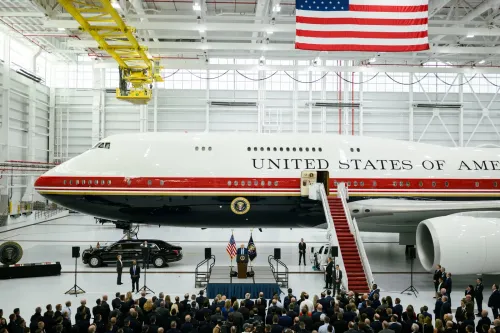
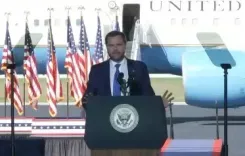
Trump had travelled to a NATO summit in Ankara aboard a Boeing 747 donated by Qatar and modified by the US Air Force. On his return, he switched to an older Air Force One for part of the journey — flying first to Britain before boarding the newer aircraft again for the final leg to Washington. The Wall Street Journal reported that the decision reflected concerns that the donated aircraft lacked certain defensive capabilities needed in a heightened threat environment. The precise defensive systems aboard Air Force One are classified.
Trump denied on Wednesday that a security concern drove the switch. When asked whether he was aware of a credible Iranian threat against his aircraft, he said he faced threats 'all the time' and was 'number one on their list.' White House communications director Steven Cheung said the newer aircraft 'has been fitted with high-level security protocols' to protect the President.
Questions Over Israeli Motives
Some US officials also raised questions about whether Israel shared the intelligence to steer Washington toward a wider war with Iran, according to The Wall Street Journal. They cautioned that a single piece of intelligence offers only a fragmentary picture of any possible threat. A spokeswoman for the Israeli Embassy rejected suggestions of a hidden motive, stating that Israel shares intelligence with the United States because of the close partnership between the two countries.
Broader Threat Context
Nathan Sales, a former State Department counterterrorism coordinator, said: 'The Iranian regime remains a clear and present danger to President Trump — and to the countless other Americans it has targeted for assassination and kidnapping on American soil.' This comes amid Trump's announcement on Friday that the US-Iran ceasefire had ended, though negotiations would continue. 'The Cease Fire is OVER!' he wrote on Truth Social.
Iranian threats against Trump predate the current conflict. His 2024 presidential campaign said it had been briefed on 'real and specific threats from Iran to assassinate him in an effort to destabilize and sow chaos in the United States.' The backdrop is well-established: Trump ordered the January 2020 drone strike in Baghdad that killed Iranian Major General Qasem Soleimani, and Iranian authorities have repeatedly vowed revenge for that killing. The latest intelligence, however credible, lands in a threat environment that has been building for over five years.
With the ceasefire now formally declared over and US strikes on Iran renewed following Iranian attacks on ships in the Strait of Hormuz, security analysts warn that retaliatory threats against American officials and interests across the Middle East are likely to intensify in the days ahead.
Point of View
The intelligence itself becomes contested. US officials are right to interrogate Israeli motives — not because the Iranian threat is implausible, but because a single intelligence fragment has already shaped a presidential travel decision and amplified a war narrative. The more important story is the ceasefire collapse: with US strikes on Iran renewed and the Strait of Hormuz already under attack, the assassination threat may be less a discrete plot and more a symptom of a conflict that is rapidly losing its guardrails.
NationPress
10 Oct 2026
Frequently Asked Questions
What is the reported Iranian plot to assassinate President Trump?
According to The Wall Street Journal, Israeli intelligence indicated a fresh Iranian plan to kill President Trump, which US officials shared and began examining. However, some officials did not consider the intelligence fully credible, and CNN reported it involved general discussion among hardliners in Tehran rather than a specific operational plot.
Why did Trump switch to a different Air Force One during his return from Turkey?
Trump switched to an older, reportedly better-protected Air Force One during his return from Turkey, flying first to Britain before boarding the newer aircraft for Washington. The Wall Street Journal reported the decision reflected concerns that the Qatar-donated Boeing 747 he had used to travel to the NATO summit in Ankara lacked certain defensive capabilities needed in a heightened threat environment.
Did Trump acknowledge the security threat behind the aircraft switch?
No. Trump denied on Wednesday that a security concern prompted the switch, saying he faces threats 'all the time' and was 'number one on their list.' White House communications director Steven Cheung said the newer aircraft 'has been fitted with high-level security protocols.'
Why do some US officials question the Israeli intelligence?
Some US officials raised concerns that Israel may have shared the intelligence to push Washington toward a broader conflict with Iran, according to The Wall Street Journal. They cautioned that a single intelligence item provides only a partial picture of any potential threat. The Israeli Embassy rejected the suggestion of a hidden motive.
What is the background to Iranian threats against Trump?
Iranian threats against Trump stem largely from his January 2020 order to strike Baghdad, which killed Iranian Major General Qasem Soleimani. Iranian authorities have repeatedly vowed revenge since then. Trump's 2024 presidential campaign also said it had been briefed on 'real and specific threats from Iran to assassinate him.' The current threat comes as Trump declared the US-Iran ceasefire over on 11 July 2025.