Iran slams Trump's 'piracy' boast over seizure of Iranian vessels
Synopsis
Trump openly boasted that the US Navy acted 'like pirates' seizing Iranian ships and oil — and Tehran is now using his own words against him. Iran's Foreign Ministry called it a 'damning admission' of criminal conduct, appealing to the UN to reject what it calls a brazen normalisation of maritime law violations amid an already volatile post-ceasefire standoff.
Key Takeaways
Iran's Foreign Ministry spokesman Esmaeil Baghaei condemned US President Donald Trump's remarks on 3 May 2025 describing the US seizure of Iranian vessels as 'piracy.' Trump reportedly said at a Florida event: "We took over the ship, we took over the cargo, we took over the oil.
It's a very profitable business." Baghaei called the remarks a "direct and damning admission" of criminal conduct against international maritime law.
The US blockade on the Strait of Hormuz was imposed after ceasefire negotiations in Islamabad on 11–12 April failed to yield an agreement.
A ceasefire between Iran , the US , and Israel had taken effect on 8 April following 40 days of conflict that reportedly began on 28 February .
Iran has appealed to UN member states and the UN Secretary-General to reject any normalisation of such actions.
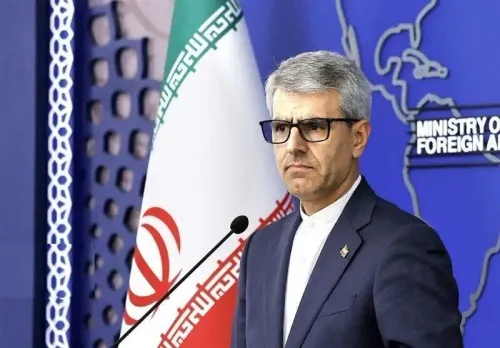
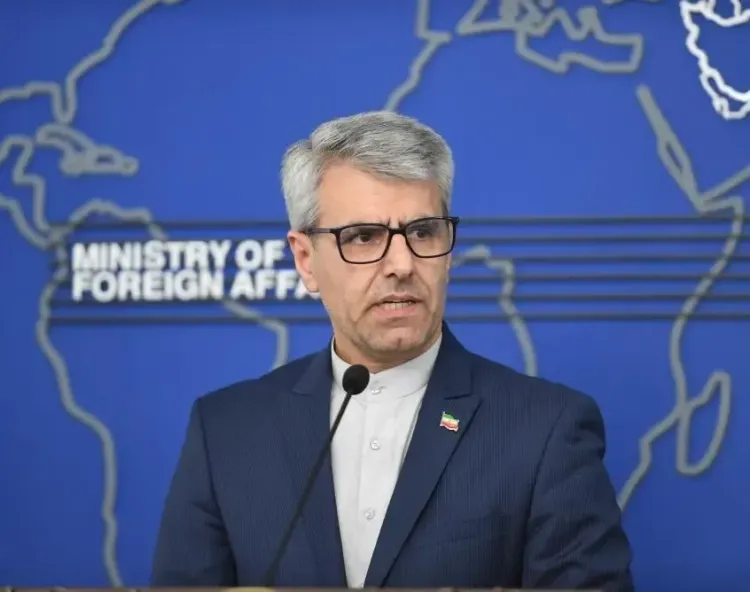
Iran's Foreign Ministry spokesman Esmaeil Baghaei on 3 May 2025 sharply condemned US President Donald Trump's remarks in which Trump himself described the US Navy's seizure of Iranian vessels as "piracy," calling the admission a "direct and damning" confirmation of criminal conduct under international law.
What Trump Said
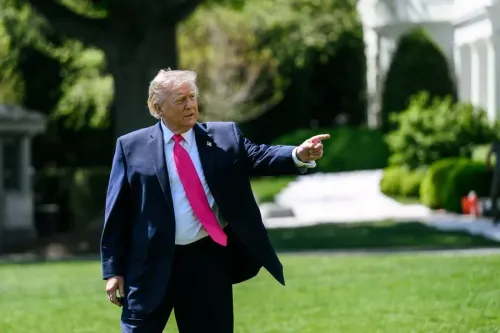
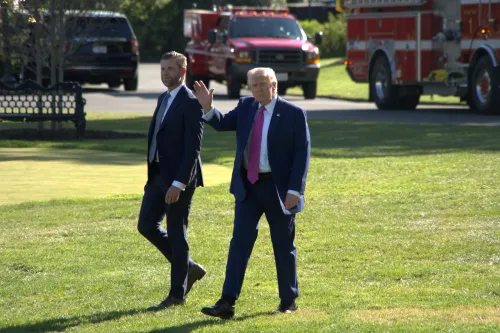
Speaking at an event in Florida, Trump reportedly boasted that the US Navy had acted "like pirates" in its blockade of Iranian ports. "We took over the ship, we took over the cargo, we took over the oil. It's a very profitable business," Trump said, according to Xinhua news agency.
Tehran's Response
Baghaei, posting on X, said the remarks were no verbal slip. "The president of the United States has openly described the unlawful seizure of Iranian vessels as 'piracy,' brazenly boasting that 'we act like pirates,'" he wrote. "This was no verbal slip. It was a direct and damning admission of the criminal nature of their actions against international maritime navigation," Baghaei added. He called on the international community, UN member states, and the UN Secretary-General to firmly reject any normalisation of what he termed "blatant violations" of international law.
Background: Blockade and Ceasefire Breakdown
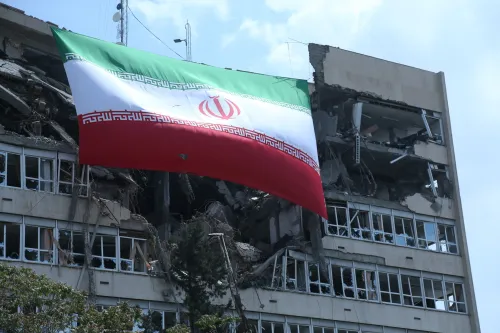
The United States imposed its anti-Iran blockade on the Strait of Hormuz after post-ceasefire negotiations between Washington and Tehran — held in Islamabad, Pakistan on 11–12 April — failed to produce an agreement. The ceasefire between Iran, the United States, and Israel had taken effect on 8 April, following 40 days of active conflict. According to reports, the hostilities had begun on 28 February, when the United States and Israel launched joint attacks on Tehran and other Iranian cities, reportedly killing Iran's then-Supreme Leader Ali Khamenei, senior commanders, and civilians.
Iran's Military Retaliation and Hormuz Grip
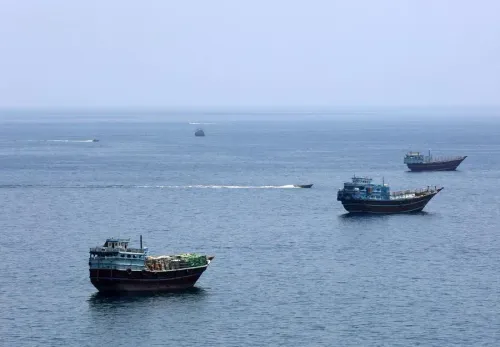
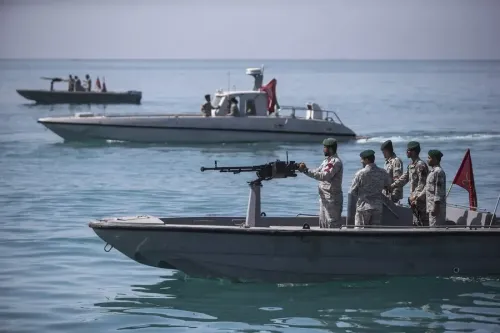
In response to the attacks, Iran launched waves of missile and drone strikes targeting Israel and US bases and assets across the Middle East, while simultaneously tightening its grip on the Strait of Hormuz — a critical global oil chokepoint — and denying safe passage to vessels linked to Israel and the United States. The blockade has since raised alarm among international shipping operators and energy markets.
What Comes Next
With diplomatic talks having collapsed in Islamabad and the blockade still in force, the risk of further escalation in the Strait of Hormuz remains elevated. Iran's public appeal to the United Nations signals a shift toward multilateral pressure as Tehran seeks to frame the US actions as a breach of international maritime law rather than a bilateral dispute.
Point of View
However, is structural: with the Islamabad talks collapsed, the Strait of Hormuz blockade in place, and a fragile ceasefire already fraying, the window for de-escalation is narrowing fast. Iran's pivot to the UN is less a legal remedy and more a pressure tactic — but one that could gain traction if non-aligned states see the Hormuz blockade as a precedent threatening their own shipping lanes.
NationPress
20 Sept 2026
Frequently Asked Questions
What did Trump say about the US seizure of Iranian vessels?
Speaking at an event in Florida, Trump reportedly boasted that the US Navy acted 'like pirates,' saying: 'We took over the ship, we took over the cargo, we took over the oil. It's a very profitable business.' The remarks were reported by Xinhua news agency.
How did Iran respond to Trump's 'piracy' remarks?
Iran's Foreign Ministry spokesman Esmaeil Baghaei condemned the remarks on X, calling them a 'direct and damning admission' of criminal conduct against international maritime navigation. He urged the UN and member states to reject any normalisation of such actions.
Why is the US blockading the Strait of Hormuz?
The United States imposed its blockade on the Strait of Hormuz after post-ceasefire negotiations with Iran, held in Islamabad on 11–12 April, failed to produce an agreement. The blockade denies safe passage to vessels linked to Iran.
What was the ceasefire between Iran, the US, and Israel?
A ceasefire between Iran, the United States, and Israel took effect on 8 April, following 40 days of conflict that reportedly began on 28 February with joint US-Israeli attacks on Tehran and other Iranian cities.
What is Iran asking the international community to do?
Iran's Foreign Ministry has called on UN member states and the UN Secretary-General to firmly reject any normalisation of what Tehran describes as blatant violations of international maritime law by the United States.