Israeli Envoy Azar: Iran's Willingness to Negotiate Indicates Internal Pressure
Synopsis
In a revealing interview, Israeli Ambassador Reuven Azar discusses Iran's shift towards negotiations, highlighting internal pressures within the country. With ongoing talks between the US and Iran, the geopolitical landscape is shifting, raising hopes for a resolution in Middle Eastern tensions.
Key Takeaways
Iran's Negotiation Shift: Indications of internal pressure within Iran.
Ongoing US-Iran Talks: Key figures from the US administration are involved.
Regional Support: Gulf nations openly back Israel's actions against Iran.
Optimism for Resolution: Potential for constructive outcomes in negotiations.
Israel's Firm Stance: No tolerance for a nuclear-capable Iran.
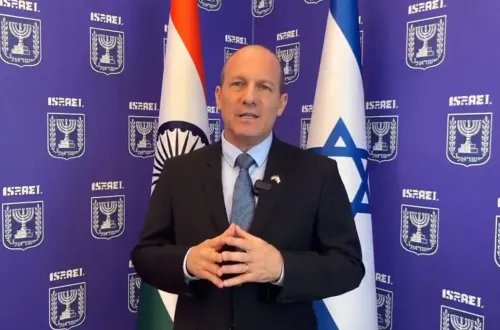
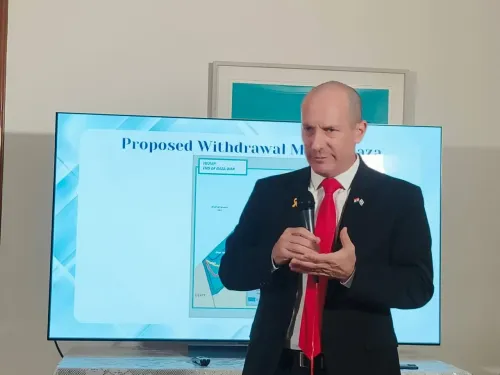
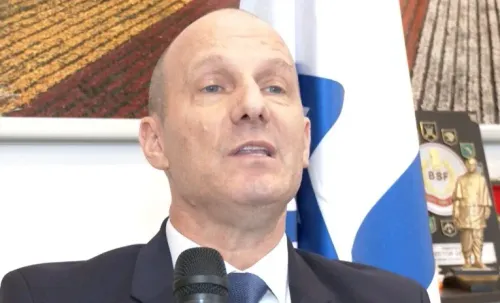
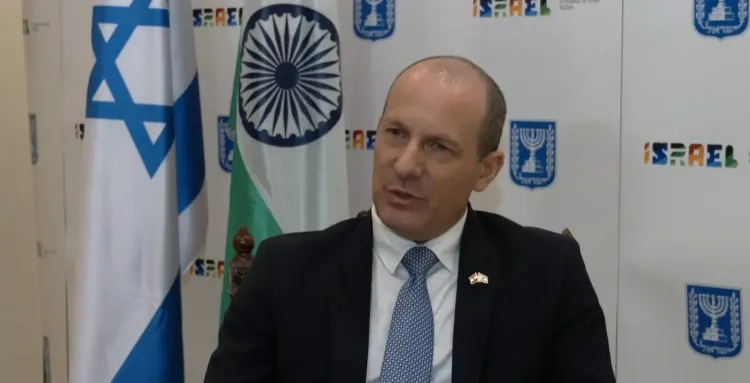
New Delhi, March 25 (NationPress) The varied statements from Iranian leadership and their recent decision to enter negotiations suggest that there are notable fractures within the regime, indicating that Tehran is experiencing considerable pressure, as highlighted by Israel's Ambassador to India, Reuven Azar.
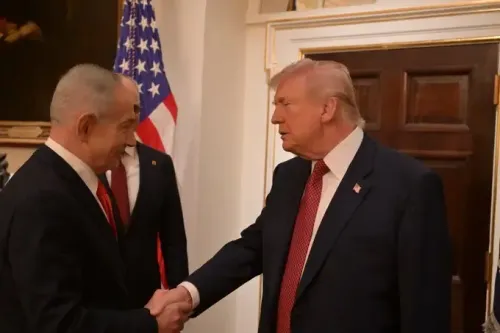
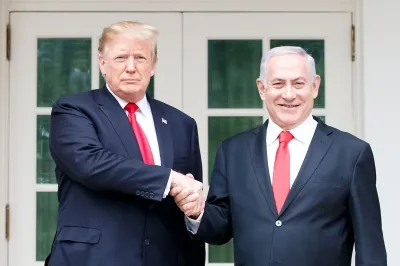
In a conversation with IANS, Azar confirmed that discussions between Iran and the US are in progress, with US President Donald Trump keeping Israeli Prime Minister Benjamin Netanyahu updated on the current developments.
When asked whether US Vice President J D Vance mentioned efforts to initiate negotiations with Iran during a call with Netanyahu, Azar replied, "Yes, it is true that negotiations are taking place. We have heard President Trump discussing this, and multiple sources have corroborated it. Our Prime Minister was briefed directly by the President regarding this matter."
Azar expressed a sense of optimism regarding the negotiations between Iran and the US, noting that Gulf nations are openly supporting Israel's actions in light of Iranian aggression.
When queried about Israel's optimism regarding Trump's assertion that the US and Iran have engaged in discussions aimed at fully resolving hostilities in the Middle East, Azar responded, "Indeed, we are optimistic. Historically, the Iranians were resistant to negotiations due to our military operations. Their current willingness to engage in talks indicates they are under pressure. We are also observing increasing discord within Iranian ranks."
He added, "Occasionally, we witness conflicting statements from various Iranian officials, reflecting internal divisions. This suggests a significant level of insecurity, as they are denying certain actions, which is a positive sign. It indicates substantial pressure, which gives me hope that the negotiations will be fruitful. If they do not succeed, we will continue our operations until we achieve our objectives, as I previously stated."
On Tuesday (local time), Trump announced that the US is actively negotiating with Iran and proclaimed that the conflict has been "won."
While addressing reporters following the swearing-in of Markwayne Mullin as Secretary of Homeland Security at the White House, Trump reiterated that discussions with Iran are ongoing and involve senior members of his administration.
"We’re currently in negotiations, as I indicated yesterday. We have a number of people working on it, including Marco and JD," he said.
He mentioned that high-ranking officials, such as Vice President J D Vance, Secretary of State Marco Rubio, Jared Kushner, and Steve Witkoff, are part of this effort.
Trump remarked, "The other side seems eager to reach an agreement, and who wouldn’t want to?"
He suggested that the current Iranian leadership has undergone substantial transformations. "What we are witnessing is essentially regime change. The current leaders are significantly different from those who initiated past conflicts," he stated.
Trump also indicated that Iran has shown willingness to make concessions related to energy routes during negotiations.
He discussed "a gift" offered by Iran concerning oil and gas and the Strait of Hormuz, showcasing their control. He claimed the offer "held substantial value."
Reaffirming his administration’s stance, Trump declared that Iran will not be permitted to develop nuclear weapons. "They will not acquire nuclear capabilities," he asserted.
Regarding the status of the conflict, Trump dismissed claims of ongoing fighting.
"This war has been won," he stated, adding that only "fake news" is suggesting otherwise and claimed that opposing forces have been "totally defeated."
Point of View
Raising questions about the future of regional stability and the effectiveness of diplomatic engagements.
NationPress
22 Sept 2026
Frequently Asked Questions
What prompted Iran to negotiate now?
Iran's decision to negotiate appears to stem from increased pressure both internally and externally, as indicated by Israeli Ambassador Reuven Azar.
Who is involved in the US-Iran negotiations?
The negotiations involve key members of the US administration, including President Trump, Vice President J D Vance, and Secretary of State Marco Rubio.
What are the expected outcomes of the negotiations?
While outcomes remain uncertain, there is cautious optimism that the negotiations could lead to a resolution of hostilities in the Middle East.
How has the geopolitical landscape changed?
The willingness of Iran to engage in talks signals a potential shift in the geopolitical landscape, with Gulf nations supporting Israel's operations against Iranian aggression.
What is Israel's stance on Iran's nuclear program?
Israel maintains that Iran must not be allowed to develop nuclear weapons, as stated by President Trump.