Could Iran Dilute 60% Enriched Uranium If Sanctions Are Lifted?
Synopsis
In a significant statement, Iran's nuclear chief indicated that Tehran might consider diluting its 60% enriched uranium, contingent on the complete lifting of international sanctions. This comes amidst ongoing indirect negotiations with the United States and rising tensions, as Iran approaches the anniversary of its 1979 Islamic Revolution. The geopolitical ramifications are immense.
Key Takeaways
Iran may dilute its 60% enriched uranium if sanctions are lifted.
Negotiations with the US continue amid rising tensions.
The IAEA's role is crucial in monitoring Iran's nuclear activities.
The 1979 Islamic Revolution remains a pivotal moment in Iran's history.
Diplomatic channels must remain open to avoid conflict.
Tehran, Feb 9 (NationPress) The head of Iran's nuclear program stated on Monday that Tehran might contemplate diluting its 60 percent enriched uranium if all international sanctions are completely removed, as reported by the official news agency IRNA.
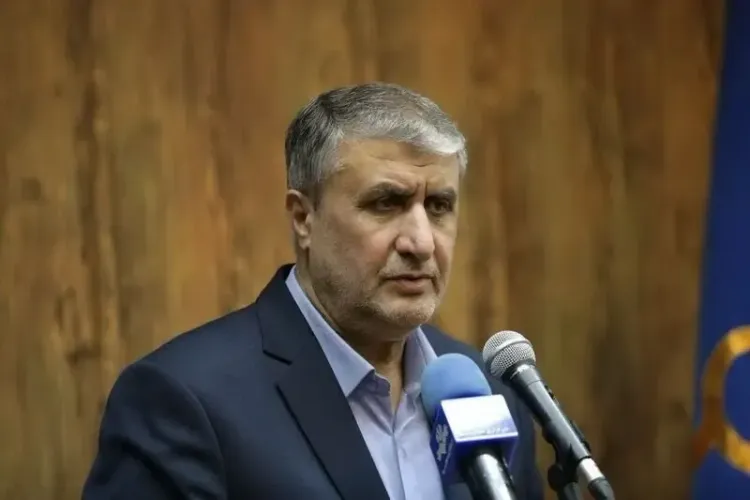
Mohammad Eslami, President of the Atomic Energy Organisation of Iran, shared this perspective during a press briefing in response to inquiries about whether the United States had requested Iran to dilute its uranium enriched to 60 percent amid indirect negotiations in Oman on Friday, according to Xinhua News Agency.
"This matter (the dilution of Iran's enriched uranium) hinges on whether they will abolish all sanctions in exchange or not," Eslami articulated.
He emphasized that transferring Iran's enriched uranium to another nation has not been a part of their agenda, noting that such suggestions have primarily emerged from individuals or nations aiming to aid in the resolution of the matter.
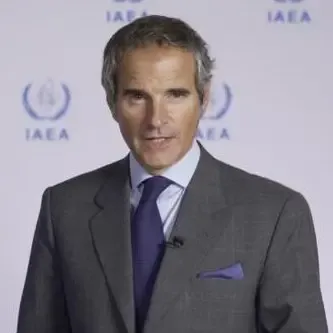
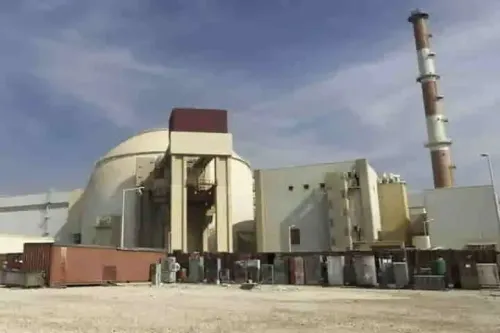
Eslami urged the International Atomic Energy Agency (IAEA) to fulfill its responsibilities and denounce the Israeli and US assaults on Iran's nuclear facilities that occurred in June of the previous year.
He affirmed that Iran's nuclear endeavors are fully compliant with legal frameworks and safeguards agreements.
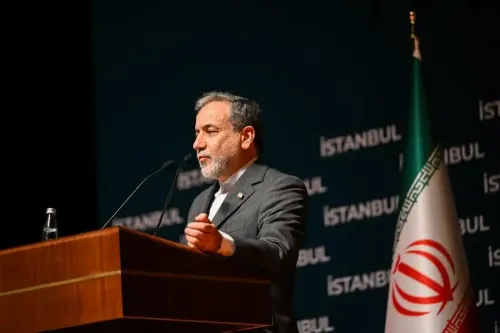
On Friday, delegations from Iran and the United States, led by Iranian Foreign Minister Seyed Abbas Araghchi and US President's special envoy Steve Witkoff, engaged in indirect nuclear discussions in Muscat, Oman, amidst escalating tensions between Tehran and Washington.
Simultaneously, Iran's Supreme Leader Ali Khamenei called upon the Iranian populace to unite and "disappoint the enemy" as the nation approaches the 47th anniversary of the 1979 Islamic Revolution, amidst increasing friction with the United States.
In a televised address, Khamenei asserted that national strength is derived more from "determination and resistance" than from military assets like missiles and aircraft. His comments occur as Iran gears up for nationwide celebrations on Wednesday to commemorate the revolution's triumph.
"Until the enemy is made to feel hopeless, a nation remains vulnerable to oppression," Khamenei stated. "The enemy must feel disheartened."
He characterized the annual celebrations as a testament to dignity that compels foreign powers to "retreat" from their aspirations to interfere in Iranian matters.
Khamenei's remarks come on the heels of heightened tensions with the United States, which have been exacerbated by a military buildup in the Middle East and ongoing threats directed at Tehran. Despite the indirect nuclear discussions held in Muscat, substantial discrepancies persist, leaving the possibility of a deal in doubt.
Khamenei expressed optimism that this year's anniversary would encourage "other nations, governments, and powers to exhibit modesty and respect" towards the Iranian people.
The 1979 Islamic Revolution marked a pivotal shift, transforming Iran from a pro-Western monarchy to an Islamic republic. Led by Ayatollah Ruhollah Khomeini, a diverse coalition of clerics, students, and secular activists overthrew Shah Mohammad Reza Pahlavi, who was backed by the United States.
Following the revolution, Iran and the United States severed diplomatic relations in 1980 after Iranian citizens occupied the US Embassy in Tehran.
Point of View
It's essential to approach the evolving situation between Iran and the US with a balanced perspective. While Iran's nuclear capabilities remain a point of contention, diplomatic channels must remain open to prevent escalation. National interests and security must be prioritized, ensuring that dialogue prevails over conflict.
NationPress
1 Oct 2026
Frequently Asked Questions
What did Iran's nuclear chief state about enriched uranium?
Iran's nuclear chief indicated that Tehran may consider diluting its 60% enriched uranium if all international sanctions are lifted.
What conditions did Iran set for diluting its enriched uranium?
The condition set by Iran is the complete lifting of all international sanctions in exchange for the dilution of its enriched uranium.
What role did the IAEA play in this context?
Iran's nuclear chief urged the International Atomic Energy Agency (IAEA) to fulfill its obligations and condemn attacks on Iran's nuclear facilities.
What is the significance of the 1979 Islamic Revolution?
The 1979 Islamic Revolution marked a significant transformation of Iran from a pro-Western monarchy to an Islamic republic.
Why are tensions rising between Iran and the US?
Tensions are escalating due to military buildups in the Middle East and ongoing threats against Tehran, as well as the complexities of indirect nuclear negotiations.