Israel blames Hamas for Gaza suffering, ties reconstruction to disarmament
Synopsis
Israel insists Hamas must disarm before Gaza rebuilding can begin — but Trump's own Board of Peace has publicly called Israel's humanitarian response 'insufficient,' with 1.4 million Palestinians in tents and over 150,000 awaiting entry. The rare rebuke of a key US ally signals mounting pressure on Israel even as it deflects accountability onto Hamas.
Key Takeaways
Israel blamed Hamas for Palestinian suffering in Gaza on 11 November 2026 , saying disarmament is a prerequisite for reconstruction.
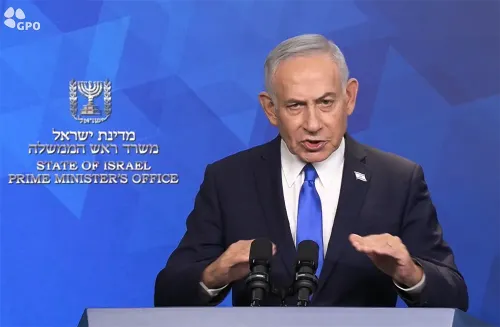
Prime Minister Benjamin Netanyahu's office said Israel had facilitated entry of over 91,000 tents and 8,200 trucks of winter supplies.
Trump's Board of Peace called Israel's winter emergency response 'insufficient' and demanded immediate entry of shelter, sanitation and drainage equipment.
According to OCHA , about 1.4 million Palestinians — 65% of Gaza's population — are living in tents or makeshift shelters.
More than 150,000 tents remain outside Gaza awaiting entry, while humanitarian shelter stocks inside are virtually exhausted.
The Board of Peace was established in January 2026 following an October 2025 ceasefire to oversee Gaza's transitional governance and reconstruction.
Israel on Tuesday, 11 November 2026, squarely blamed Hamas for the ongoing suffering of Palestinians in Gaza, insisting that reconstruction of the war-devastated enclave cannot begin until the militant group disarms. The statement came a day after US President Donald Trump's Board of Peace criticised Israel for delays in allowing humanitarian supplies into the territory.
What Israel Said
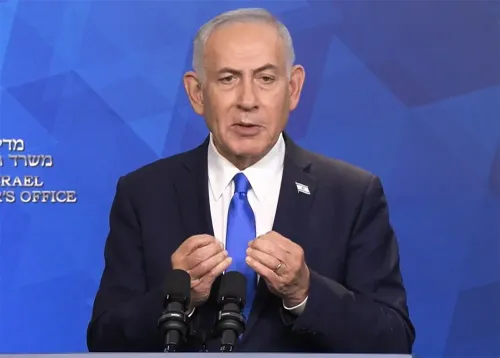
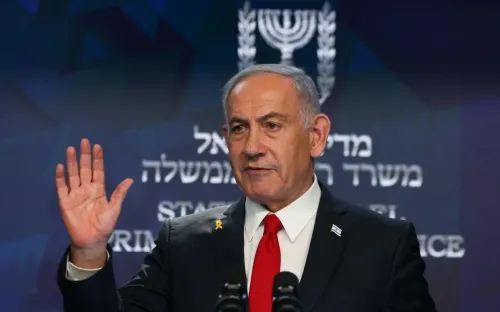
In a statement posted on X, the office of Prime Minister Benjamin Netanyahu said Israel had facilitated the entry of more than 91,000 tents and over 8,200 trucks carrying winter supplies, including blankets, clothing, and tarpaulins. 'Hamas alone is responsible for the suffering of the people of Gaza,' the statement said, adding that the group's refusal to disarm remained the primary obstacle to reconstruction.
Scale of the Humanitarian Crisis
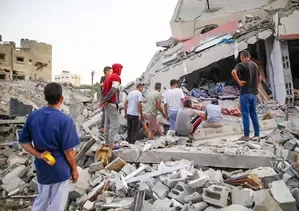
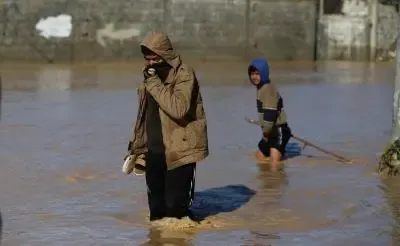
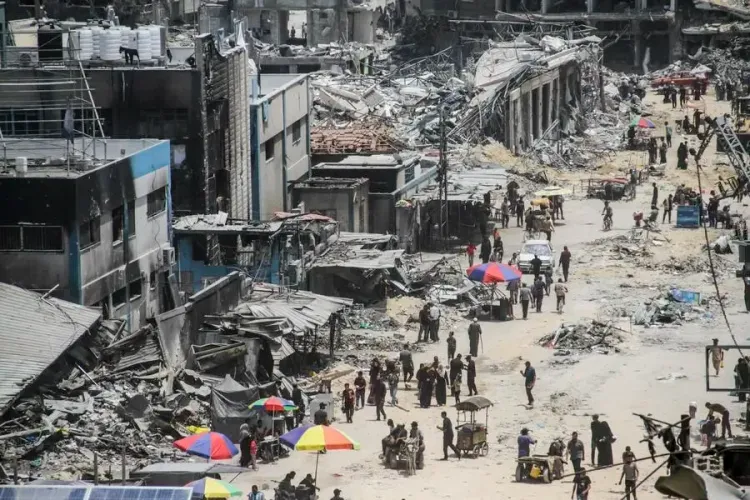
The scale of displacement inside Gaza remains alarming. According to the United Nations Office for the Coordination of Humanitarian Affairs (OCHA), approximately 1.4 million Palestinians — roughly 65 per cent of Gaza's population — are currently living in tents or makeshift shelters. As of 8 November, humanitarian partners had received appeals from more than 26,000 households whose shelters or belongings had been damaged. More than 6,000 family shelters were reportedly destroyed, 17,400 were damaged, and over 3,900 households had no shelter at all. OCHA warned that humanitarian shelter stocks inside Gaza were virtually exhausted, while more than 150,000 tents remained outside the territory awaiting entry clearance.
Board of Peace Calls Israel's Response 'Insufficient'
The Board of Peace, chaired by Trump and formally established in January 2026 following an October 2025 ceasefire between Israel and Hamas, said on Monday that Israel's response to the winter emergency remained 'insufficient.' It called for the immediate entry of essential shelter, sanitation, and drainage equipment, and said Israeli delays had aggravated a foreseeable humanitarian crisis. Notably, the Board also urged Hamas to disarm and relinquish power — drawing parallel pressure on both sides.
Context and What It Means
The Board of Peace was set up to oversee the implementation of Trump's peace plan, including Gaza's transitional governance and reconstruction framework. Its public rebuke of Israel marks a rare instance of the Trump-led body directly criticising a key US ally over humanitarian obligations. Critics argue that with winter already setting in and over a million displaced civilians relying on tent camps, the gap between the volume of supplies reportedly cleared by Israel and what is actually reaching civilians on the ground demands independent scrutiny. The standoff over disarmament versus reconstruction aid effectively leaves Gaza's civilian population caught between two competing political demands.
What Happens Next
With the Board of Peace having publicly flagged Israeli delays and simultaneously pressing Hamas to disarm, the coming weeks will test whether either side adjusts course. OCHA's warning about exhausted shelter stocks inside Gaza adds urgency, and further deterioration of living conditions through winter could intensify international pressure on all parties.
Point of View
000 tents sit outside Gaza awaiting clearance while 1.4 million people shelter in makeshift camps heading into winter? The Board of Peace's rebuke is diplomatically significant precisely because it comes from a Trump-led body, not a traditional critic. The dual pressure on both Israel and Hamas is the right instinct, but with winter already here and shelter stocks exhausted, the sequencing debate — disarm first, rebuild later — has real humanitarian costs that cannot be deferred indefinitely. What is missing from both sides' statements is a credible independent mechanism to track what actually enters Gaza, not just what is reportedly cleared.
NationPress
11 Nov 2026
Frequently Asked Questions
Why is Israel blaming Hamas for Gaza's humanitarian crisis?
Israel argues that Hamas's refusal to disarm is the primary obstacle to reconstruction and improved aid flow in Gaza. Israel's statement on 11 November 2026 maintained that it had already facilitated entry of over 91,000 tents and 8,200 trucks of winter supplies, placing responsibility for civilian suffering on Hamas.
What is the Board of Peace and why did it criticise Israel?
The Board of Peace is a body chaired by US President Donald Trump, formally established in January 2026 following an October 2025 ceasefire between Israel and Hamas, to oversee Gaza's transitional governance and reconstruction. It criticised Israel on Monday for delays in allowing humanitarian supplies into Gaza, calling the response to the winter emergency 'insufficient.'
How severe is the humanitarian situation in Gaza right now?
According to OCHA, approximately 1.4 million Palestinians — 65 per cent of Gaza's population — are living in tents or makeshift shelters. Over 6,000 family shelters have been destroyed, 17,400 damaged, and more than 3,900 households have no shelter at all, with winter conditions worsening the crisis.
Why are over 150,000 tents stuck outside Gaza?
OCHA has reported that more than 150,000 tents remain outside Gaza's territory awaiting entry, while humanitarian shelter stocks inside are virtually exhausted. The Board of Peace has attributed part of this bottleneck to Israeli delays in clearing the supplies for entry.
What needs to happen for Gaza reconstruction to begin, according to Israel?
Israel has stated that Hamas must first disarm and relinquish power before substantive reconstruction can commence. This condition has been reiterated by Netanyahu's office and is a central element of the deadlock between the parties under the Board of Peace's oversight framework.