Israel strikes Syria-Lebanon weapons convoy bound for Hezbollah
Synopsis
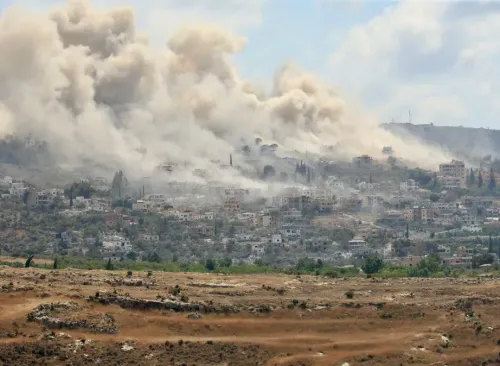
Israel has struck a Hezbollah-bound weapons convoy crossing from Syria into Lebanon — the first reported Israeli airstrike in the Bekaa region in three months. Coming amid an uneasy ceasefire that both sides accuse the other of violating, the strike signals that Israel's interdiction campaign against Hezbollah arms transfers is ongoing, even as Lebanon demands an Israeli troop withdrawal from the south.
Key Takeaways
The Israeli military struck a weapons shipment in the Janta area on the Syria-Lebanon border on 16 November 2026 , targeting arms bound for Hezbollah .
Lebanese media reported it as the first Israeli strike in the Bekaa region in three months .
Approximately 50 Israeli soldiers separately entered Shebaa , detaining two brothers of the Hamdan family ; a third sibling has been held by Israel for over a year.
Last month, Israel said it dismantled over 540 Hezbollah infrastructure sites in southern Lebanon and seized more than 150 weapons , including rockets and anti-tank missiles.
In September , Israel destroyed over 2 km of Hezbollah underground infrastructure at the Ali al-Taher Ridge , uncovering Iranian-made rockets, drones, and explosives.
Lebanon demands Israeli troop withdrawal; Israel insists on Hezbollah disarmament — a deadlock keeping the ceasefire under pressure.
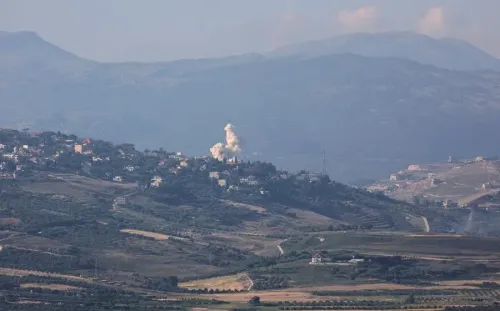
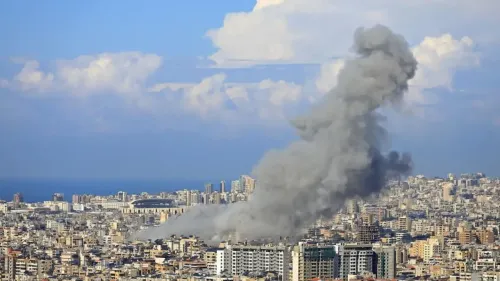
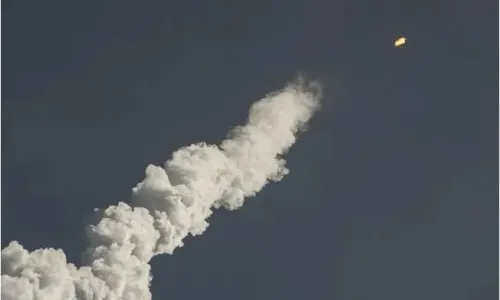
The Israeli military confirmed on Monday, 16 November 2026 that it carried out an overnight airstrike targeting a weapons shipment moving from Syria into Lebanon, which it said was destined for Hezbollah. The strike was conducted in the Janta area along the Syrian-Lebanese border, a corridor previously identified by Israeli forces as a known arms-smuggling route.
Details of the Strike
Lebanese media confirmed an Israeli airstrike in the area in the early hours of Monday. Al Jadeed television reported it was the first Israeli strike in the Bekaa region in three months, according to regional reports. The Israeli military did not release specifics about the nature of the weapons intercepted, but framed the operation as consistent with its stated policy of preventing arms transfers to Hezbollah.
In an official statement, the military accused Hezbollah of continuing to smuggle weapons and move fighters across Lebanon in violation of existing ceasefire arrangements, while also asserting that Israel remains committed to that ceasefire.
Soldiers Enter Shebaa, Two Brothers Detained
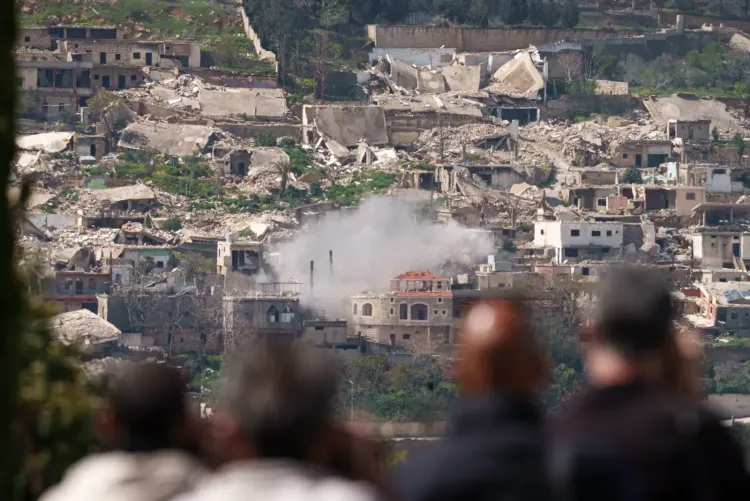
Separately, Lebanese broadcaster LBCI reported that approximately 50 Israeli soldiers entered the outskirts of Shebaa early Monday and detained two brothers from the Hamdan family. According to Lebanese media, a third brother from the same family has been held by Israel for more than a year.
Scale of Recent Israeli Operations in Southern Lebanon
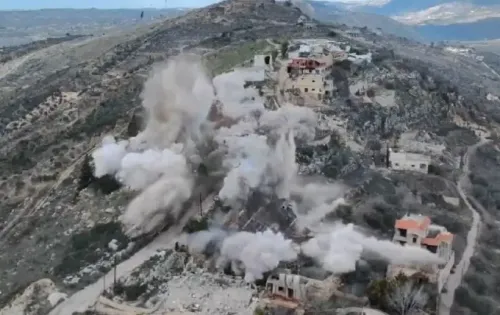
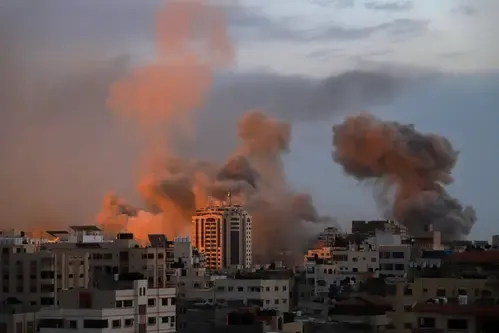
The latest strike follows a broader pattern of sustained Israeli military activity in Lebanon and Gaza. Last month, the Israeli military stated that its troops had dismantled over 540 Hezbollah infrastructure sites during operations in southern Lebanon over recent weeks. Separately, it reported the destruction of three Hamas weapon storage facilities across the Gaza Strip.
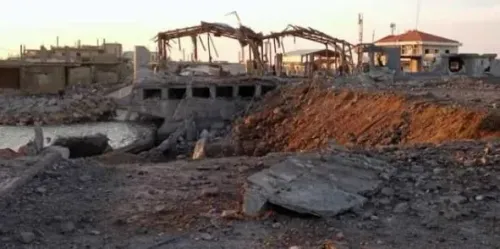
Operations were conducted in the areas of Khiam, Tayr Harfa, Meiss el-Jabal, and Majdal Zoun, where weapons storage facilities were destroyed and more than 150 weapons — including rockets, anti-tank missiles, and explosives — were reportedly seized. No casualties were reported, and the military did not specify the exact dates of those operations.
Underground Network and Iranian-Made Arsenal
In September, Israel's military announced it had destroyed more than 2 km of underground Hezbollah infrastructure at the Ali al-Taher Ridge in southern Lebanon, after taking control of the area both above and below ground. The network reportedly contained a command complex, weapons stores, and living quarters, along with dozens of Iranian-made rockets, missiles, drones, anti-tank missiles, mines, and explosives.
Broader Standoff: Troop Withdrawal and Disarmament
Israel has maintained troops in parts of southern Lebanon following renewed fighting with Hezbollah in March. Lebanon has demanded their withdrawal, while Israel has insisted that Hezbollah be fully disarmed — a condition that Lebanon and Hezbollah have so far resisted. The competing demands have kept the ceasefire agreement under sustained pressure, with the latest airstrike likely to intensify diplomatic tensions over implementation.
Point of View
Airstrike, or retaliatory rocket fire escalates beyond the current, low-grade rhythm. The detention of the Hamdan brothers, largely overlooked in the weapons-shipment headline, is the kind of micro-incident that has historically proved more combustible on the ground than the larger military announcements.
NationPress
16 Nov 2026
Frequently Asked Questions
What did Israel strike on 16 November 2026 near the Syria-Lebanon border?
Israel struck a weapons shipment moving from Syria into Lebanon through the Janta area, a route it has previously identified as used for arms smuggling to Hezbollah. The military confirmed the overnight strike in an official statement on Monday, 16 November.
Was this the first Israeli strike in the Bekaa region in recent months?
According to Lebanese broadcaster Al Jadeed, the strike was the first Israeli airstrike in the Bekaa region in three months. Lebanese media confirmed the strike occurred in the early hours of Monday.
What happened in Shebaa on the same day?
Approximately 50 Israeli soldiers entered the outskirts of Shebaa early Monday and detained two brothers from the Hamdan family, according to Lebanese broadcaster LBCI. A third brother from the same family has reportedly been held by Israel for more than a year.
What is the status of the Israel-Hezbollah ceasefire?
The ceasefire remains formally in place, but under strain. Israel accuses Hezbollah of continuing to smuggle weapons and move fighters across Lebanon in violation of the arrangement. Lebanon, in turn, demands that Israeli troops withdraw from southern Lebanon, where they have remained since renewed fighting broke out in March.
How extensive have Israeli military operations in southern Lebanon been?
Last month, the Israeli military reported dismantling over 540 Hezbollah infrastructure sites in southern Lebanon and seizing more than 150 weapons, including rockets, anti-tank missiles, and explosives. In September, it also announced the destruction of more than 2 km of underground Hezbollah tunnels at the Ali al-Taher Ridge, containing Iranian-made munitions and a command complex.