Israel orders British consulate closure in Jerusalem over UK sanctions
Synopsis
Israel has shuttered the British consulate in East Jerusalem and barred multiple UK MPs from entry — a sweeping diplomatic counterpunch after London sanctioned Israeli settlement goods and a senior British minister labelled settler violence 'ethnic cleansing'. The move also ends UK involvement in Palestinian security training and locks Britain out of the US-led Gaza coordination mission, making this one of the most serious Israel-UK ruptures in years.
Key Takeaways
Israel ordered the closure of the British consulate in East Jerusalem on 9 September in retaliation for UK sanctions on Israeli settlement goods.
Foreign Minister Gideon Sa'ar announced entry bans on 10 British MPs , including former Labour leader Jeremy Corbyn and Green Party MPs Carla Denyer and Sian Berry .
The UK will be excluded from the US-led Gaza coordination mission based in Israel.
Longstanding British involvement in training Palestinian security forces in the West Bank has been terminated.
The British consulate in Sheikh Jarrah handled Palestinian-related affairs across Gaza , the West Bank , and Jerusalem ; the British Embassy in Tel Aviv remains unaffected.
Sa'ar confirmed the measures were coordinated with Prime Minister Benjamin Netanyahu .
Israel has ordered the closure of the British consulate in East Jerusalem in direct retaliation for sweeping UK sanctions on goods from Israeli settlements in the West Bank, sharply escalating an already fractured diplomatic relationship between the two countries. The move, announced on 9 September, marks one of the most serious ruptures in Israel-UK ties in recent memory.
Key Retaliatory Measures Announced
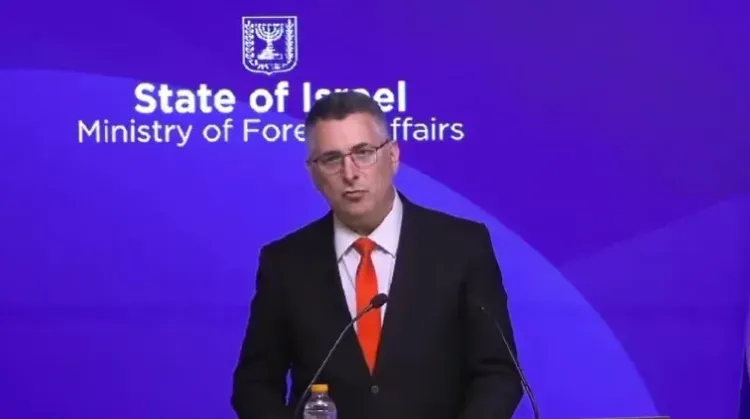
Israeli Foreign Minister Gideon Sa'ar unveiled a package of countermeasures that go well beyond the consulate closure. Israel also announced entry bans on a number of predominantly left-wing British MPs, the termination of longstanding UK involvement in training Palestinian security forces in the West Bank, and the exclusion of Britain from the US-led Gaza coordination mission based in Israel.
The British MPs named under the entry restrictions include former Labour leader Jeremy Corbyn, Your Party MP Zarah Sultana, Labour MPs Diane Abbott, Naz Shah, John McDonnell, and Richard Burgon, as well as Green Party MPs Hannah Spencer, Carla Denyer, Sian Berry, and Ellie Chowns.
What the British Consulate Does — and Why Its Closure Matters
The British consulate, situated in the Sheikh Jarrah neighbourhood of Jerusalem, handles affairs primarily relating to Palestinians across Gaza, the West Bank, and Jerusalem. Its closure effectively severs a key diplomatic channel for Palestinian-related consular services. The UK Ambassador to Israel operates separately from the British Embassy in Tel Aviv, which remains unaffected.
Israel maintains that Jerusalem is its 'undivided capital' under full sovereignty, rejecting any characterisation of its control over the city as an occupation. Sa'ar framed the consulate's activities as a violation of that sovereignty. 'United Jerusalem is the capital of Israel and is under its full sovereignty,' Sa'ar said. 'Any foreign activity in the area must be conducted through accepted and agreed channels and without violating Israel's sovereignty,' he added.
What Triggered the Escalation
The immediate catalyst was a statement by UK Energy Security and Net Zero Secretary Ed Miliband, who described violent activity by Jewish settlers in the West Bank as 'ethnic cleansing' — language that drew a fierce response from Israeli officials. The UK had also imposed sweeping sanctions on goods originating from what it termed 'illegal' Israeli settlements, a move Israel characterised as hostile interference.
Sa'ar did not mince words in his assessment of the British government's posture. 'The British move is morally distorted, and constitutes blatant interference in the affairs of a sovereign state and its electoral process,' he said. He also drew a distinction between the British public and its government: 'Israel has nothing against the British people. We know that we have many friends in Britain. Unfortunately, a hostile Labour government is in office, systematically acting against the state of Israel, and it has left us with no choice but to finally respond to its hostile actions,' Sa'ar said.
Netanyahu's Role and the Broader Diplomatic Context
Sa'ar confirmed he had coordinated Israel's response directly with Prime Minister Benjamin Netanyahu, signalling that the measures carry the full weight of the Israeli government rather than being a unilateral foreign ministry decision. This comes amid broader Western pressure on Israel over its conduct in Gaza, with several European governments — including the UK — tightening restrictions on Israeli settlement-linked trade. Notably, the exclusion of Britain from the US-led Gaza coordination mission could have practical consequences for humanitarian and conflict-management operations in the region.
With both governments showing little sign of backing down, analysts say the diplomatic breach is likely to deepen before any rapprochement becomes possible.
Point of View
Operational, and symbolic — and the exclusion from the Gaza coordination mission is the sharpest edge of the package, with real humanitarian consequences that go beyond political theatre. What mainstream coverage risks underplaying is the UK's own escalatory sequence: sanctioning settlement goods and then having a cabinet minister use the phrase 'ethnic cleansing' in the same news cycle gave Jerusalem a double pretext. The Labour government may have calculated that domestic political pressure on Gaza demanded visible action, but it has now handed Israel grounds to reframe itself as the aggrieved party. With Britain locked out of the Gaza coordination mission, London's ability to influence outcomes on the ground — not just signal disapproval — has materially diminished.
NationPress
9 Sept 2026
Frequently Asked Questions
Why has Israel ordered the closure of the British consulate in East Jerusalem?
Israel ordered the closure in retaliation for UK sanctions on goods from Israeli settlements in the West Bank and remarks by UK Energy Security Secretary Ed Miliband, who described settler violence as 'ethnic cleansing'. Foreign Minister Gideon Sa'ar said the British actions constituted 'blatant interference in the affairs of a sovereign state'.
Which British MPs have been banned from entering Israel?
Israel announced entry bans on former Labour leader Jeremy Corbyn, Your Party MP Zarah Sultana, Labour MPs Diane Abbott, Naz Shah, John McDonnell, and Richard Burgon, and Green Party MPs Hannah Spencer, Carla Denyer, Sian Berry, and Ellie Chowns. The restrictions target predominantly left-wing parliamentarians.
What does the British consulate in East Jerusalem do?
The consulate, located in the Sheikh Jarrah neighbourhood, primarily handles affairs related to Palestinians in Gaza, the West Bank, and Jerusalem. It is distinct from the British Embassy in Tel Aviv, where the UK Ambassador to Israel is based, and that embassy remains operational.
What other measures has Israel taken against the UK?
Beyond the consulate closure and MP entry bans, Israel has terminated the UK's longstanding role in training Palestinian security forces in the West Bank and excluded Britain from the US-led Gaza coordination mission based in Israel, which oversees activities related to the conflict.
Has the Israeli Prime Minister endorsed these measures?
Yes. Foreign Minister Gideon Sa'ar confirmed that the retaliatory package was coordinated directly with Prime Minister Benjamin Netanyahu, indicating the decisions carry the full backing of the Israeli government rather than being a unilateral foreign ministry action.