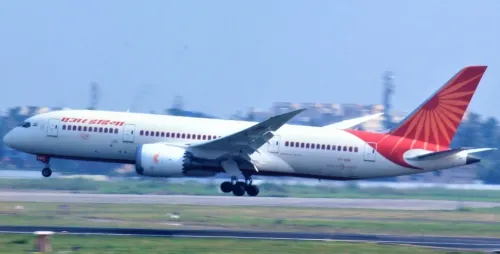
NATS glitch cancels 1,000+ UK flights, Air India diverts services
Synopsis
A failure in NATS's flight processing system on 9 September cascaded into the cancellation of over 1,000 UK flights, leaving Air India, British Airways, and dozens of other carriers scrambling to divert and reposition aircraft. Even after NATS declared the fault resolved, the backlog of stranded planes and out-of-position crew threatened to extend disruption well beyond the initial outage window.
Key Takeaways
NATS , Britain's national air traffic control provider, suffered a flight processing system failure on 9 September .
More than 1,000 flights were cancelled across the UK , according to flight-tracking data.
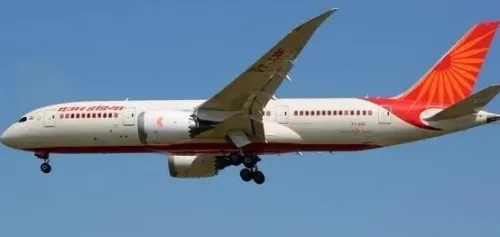
Air India was forced to divert, delay, or cancel multiple flights to and from UK airports .
Affected airports included London Heathrow , Edinburgh , and Manchester ; Dublin Airport also issued passenger warnings.
NATS confirmed the technical fix was implemented and systems returned to normal, but warned the flight backlog would take time to clear.
British Airways also confirmed disruption to its services as a result of the outage.
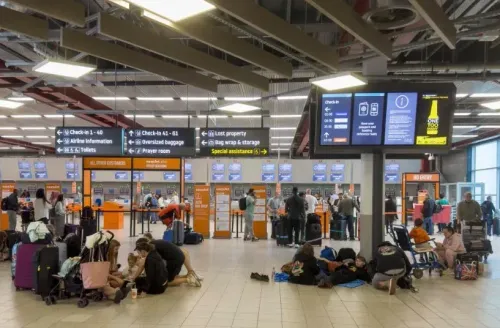
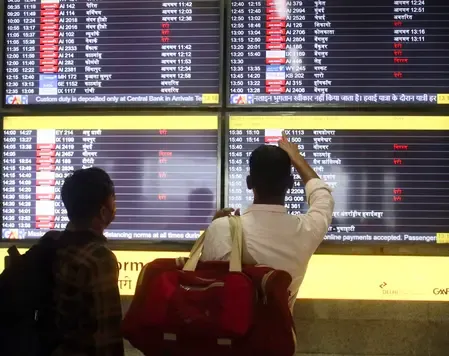
Air India on Wednesday, 9 September confirmed that a technical failure at NATS — Britain's national air traffic control provider — had forced the carrier to divert, delay, or cancel multiple flights operating to and from airports across the United Kingdom. The outage, which grounded or disrupted more than 1,000 flights across Britain according to flight-tracking data, is one of the most significant air traffic control failures the UK has seen in recent years.
What Triggered the Disruption
NATS attributed the failure to a technical problem within its flight processing system — the software infrastructure that manages live flight data and routing instructions for aircraft operating in UK airspace. The fault cascaded rapidly, affecting both arrivals and departures at major airports including London Heathrow, Edinburgh, and Manchester. The disruption also extended beyond Britain's borders, with Dublin Airport warning passengers that services to and from the UK could face significant impact.
This comes amid growing scrutiny of ageing air traffic management infrastructure across Europe, where legacy systems have repeatedly been flagged as vulnerability points during periods of peak demand.
Air India's Response
Taking to social media platform X, Air India issued a travel advisory acknowledging the scale of the disruption. 'We are closely monitoring the situation and are making every effort to minimise disruptions as much as possible,' the airline said in its public statement. The carrier further cautioned that the impact could ripple beyond directly affected UK routes, as aircraft and crew were left out of position — a secondary effect that can take days to fully resolve even after the primary fault is fixed.
Passengers were advised to check their flight status before travelling to the airport, a standard precaution that nonetheless signals the airline's uncertainty about recovery timelines at the time of the advisory.
NATS Fix and Backlog Warning
NATS subsequently confirmed that a technical fix had been implemented and that its systems had returned to normal operations. 'Our system issue is now resolved. We are operating normally and working as hard as possible to clear the backlog of flights,' the agency said in a statement. However, NATS cautioned that clearing the accumulated backlog of delayed and rerouted flights would take considerable time — a warning that airlines and passengers were advised to factor into travel plans.
Heathrow Airport said it was working closely with NATS to minimise the impact on passengers and flight schedules. British Airways also confirmed it was experiencing disruption as a direct consequence of the national air traffic control system failure.
Wider Impact on Passengers and Airlines
The scale of the disruption — over 1,000 flights cancelled across Britain — placed immediate pressure on airlines to rebook passengers, reposition aircraft, and restructure crew rosters. For carriers like Air India with long-haul routes into UK airports, the downstream effects are particularly acute: a single diverted widebody aircraft can disrupt onward connections for hundreds of passengers across multiple time zones.
Notably, the Ireland-UK air corridor was also affected, with Dublin Airport issuing passenger advisories — underscoring how tightly integrated European short-haul networks are and how a single node failure can propagate across borders within hours.
What Passengers Should Do Now
While NATS has declared the technical issue resolved, airlines including Air India and British Airways continue to manage residual disruption. Passengers travelling on UK-linked routes are advised to check directly with their airline for the latest flight status and to allow additional time at airports as the backlog clears. Compensation entitlements under UK and EU aviation rules may apply depending on the length of delay and the nature of the disruption.
Point of View
Which have aggressively expanded UK routes, the episode also highlights the exposure that comes with long-haul network growth: one disrupted widebody can unwind days of carefully planned crew and aircraft positioning. The deeper question is whether NATS and its European counterparts are investing adequately in redundancy, or whether the industry is one bad software patch away from the next mass cancellation event.
NationPress
24 Oct 2026
Frequently Asked Questions
What caused the UK air traffic control disruption on 9 September?
NATS, which manages air traffic control across Britain, experienced a technical problem with its flight processing system on 9 September. The fault disrupted departures and arrivals at major UK airports, leading to the cancellation of over 1,000 flights.
How did the NATS outage affect Air India flights?
Air India was forced to divert, delay, or cancel multiple flights scheduled to operate to and from UK airports. The airline also warned that the disruption could affect other services, as aircraft and crew were left out of position.
Which airports were affected by the NATS technical failure?
The disruption affected several major airports including London Heathrow, Edinburgh, and Manchester. Dublin Airport also issued warnings that services to and from the UK could be impacted.
Has the NATS system issue been resolved?
Yes, NATS confirmed it implemented a technical fix and that its systems returned to normal operations. However, the agency warned that clearing the backlog of delayed and rerouted flights would take additional time.
What should Air India passengers do if their UK flight was affected?
Air India advised passengers to check their flight status before travelling to the airport. Passengers should contact their airline directly for rebooking options and may be entitled to compensation under UK or EU aviation rules depending on the length of delay.