UK air traffic control glitch cancels 1,000+ flights across Britain
Synopsis
A single software fault in the UK's national air traffic control system grounded more than 1,000 flights in one day — a cascading failure that spread from Heathrow to Dublin. NATS says the fix is in, but the backlog tells a different story: British aviation's vulnerability to a single point of failure has rarely been this visible.
Key Takeaways
National Air Traffic Services (NATS) suffered a technical failure in its flight processing system on Tuesday , triggering mass disruption across UK airspace.
More than 1,000 flights were cancelled at airports across Britain by Tuesday night, according to Flightradar24 data.
Major airports affected include Heathrow , Edinburgh , Manchester , Birmingham , Luton , Aberdeen , and Glasgow .
The disruption crossed borders, with Dublin Airport reporting delays on UK-bound and UK-originating flights.
British Airways confirmed it was experiencing disruption due to the national air traffic control failure.
NATS confirmed the system issue has been resolved but warned that clearing the flight backlog would take longer than initially expected.
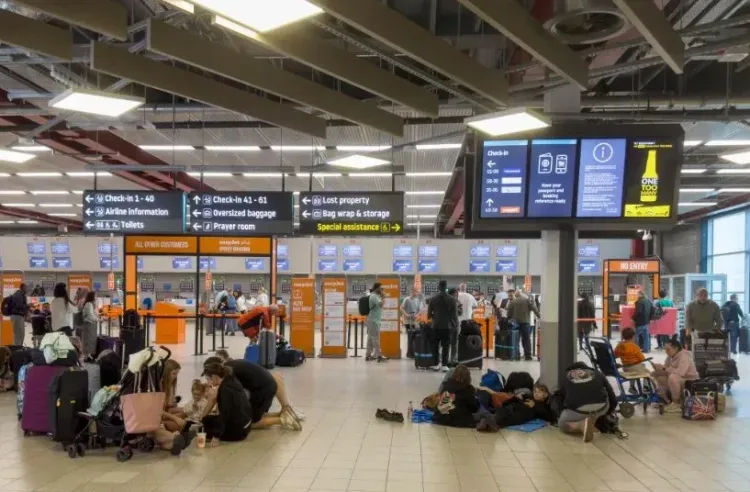
National Air Traffic Services (NATS) confirmed a technical failure in its flight processing system on Tuesday, triggering the cancellation of more than 1,000 flights across Britain and causing widespread disruption at major airports including Heathrow, Edinburgh, Manchester, Birmingham, Luton, Aberdeen, and Glasgow. The scale of the outage, one of the most significant to hit UK aviation in recent years, left thousands of passengers stranded or facing severe delays well into the night.
What Went Wrong
NATS, which manages air traffic control across the entirety of the United Kingdom, said engineers identified the fault within its flight processing system — the software infrastructure responsible for coordinating the movement of aircraft through British airspace. The agency said engineers worked to restore normal operations as quickly as possible, though it later acknowledged that clearing the resulting backlog was taking longer than initially anticipated.
Flight-tracking service Flightradar24, headquartered in Sweden, confirmed that arrivals and departures were being regulated across the London flight information region as a direct consequence of the technical failure. An analysis of Flightradar24 data by local media established that the cancellation count had surpassed 1,000 flights by Tuesday night.
Airports Affected Across Britain
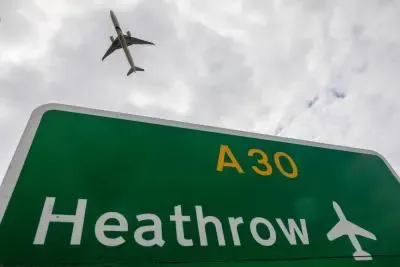
Heathrow Airport, the largest airport in Britain, said it was coordinating closely with NATS to minimise the impact on passengers and flight schedules. Edinburgh Airport issued a warning to passengers that the air traffic control issue could affect flights operating from the airport. Manchester Airport was also listed among the significantly disrupted hubs, according to Flightradar24 data.
Luton and Birmingham airports reported delays and cancellations as the effects of the technical failure rippled through the aviation network. Aberdeen and Glasgow airports similarly reported disruptions, with passengers facing delays or outright cancellations. The disruption was not confined to England alone — airports across Scotland and Northern Ireland were drawn into the cascading failure.
International Spillover
The impact extended beyond British borders. Dublin Airport reported that flights arriving from and departing to Britain were being affected, with passengers facing disruptions to their scheduled journeys. This cross-border effect underscored how tightly integrated European aviation networks are, and how a single national air traffic control failure can propagate delays internationally within hours.
British Airways acknowledged it was experiencing disruption as a direct result of the national air traffic control system failure, though it did not specify the number of affected flights at the time of the statement.
NATS Response and System Fix
NATS subsequently confirmed that a technical fix had been implemented. In an official statement, the agency said: 'Our system issue is now resolved. We are operating normally and working as hard as possible to clear the backlog of flights.' However, the agency cautioned that restoring full operational normalcy and processing the accumulated backlog would take additional time beyond what had initially been projected.
Broader Impact and What Comes Next
This incident is notable for its scale and speed of propagation — over 1,000 cancellations within a single day places it among the most disruptive single-day air traffic control failures in UK aviation history. Passengers affected by cancellations are likely entitled to compensation and rebooking under UK Civil Aviation Authority regulations, though extraordinary circumstances clauses may complicate some claims. Airlines and airports are expected to work through the backlog over the coming days, with knock-on delays likely to persist into the following travel window.
Point of View
000 cancellations from one software fault is not just an operational embarrassment — it is a stress test that the system failed publicly. As UK aviation volumes recover to and exceed pre-pandemic levels, the risk calculus of maintaining legacy flight processing infrastructure without robust redundancy is becoming untenable. The coming regulatory review will need to ask not just what broke, but why a fix that took hours could not be achieved in minutes.
NationPress
24 Oct 2026
Frequently Asked Questions
Why were so many UK flights cancelled on Tuesday?
A technical failure in the flight processing system operated by National Air Traffic Services (NATS) disrupted air traffic control across the UK on Tuesday, resulting in the cancellation of more than 1,000 flights. NATS said engineers worked to resolve the issue and later confirmed the system had been fixed, though the backlog of flights continued to cause delays.
Which airports were affected by the UK air traffic control failure?
Heathrow, Edinburgh, Manchester, Birmingham, Luton, Aberdeen, and Glasgow airports all reported significant disruptions. Dublin Airport in Ireland also confirmed that UK-bound and UK-originating flights were affected by the technical failure.
Has the NATS technical issue been resolved?
Yes. NATS confirmed in a statement that 'our system issue is now resolved' and that operations had returned to normal. However, the agency cautioned that clearing the accumulated backlog of flights was taking longer than initially expected.
Which airlines were disrupted by the UK air traffic control glitch?
British Airways publicly confirmed it was experiencing disruption as a result of the national air traffic control system failure. Given the scale of over 1,000 cancellations across multiple airports, virtually all carriers operating UK routes are likely to have been affected.
Are passengers entitled to compensation for the cancelled flights?
Passengers affected by cancellations may be entitled to rebooking and compensation under UK Civil Aviation Authority regulations, though airlines may invoke extraordinary circumstances clauses to limit financial liability. Affected travellers are advised to contact their airline directly and check CAA guidance on their rights.