Jaishankar warns of major food crisis as conflicts strain grain, fertiliser supplies
Synopsis
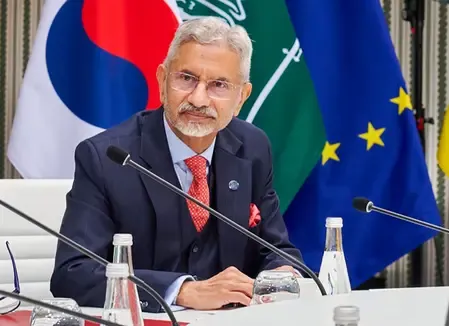
India's External Affairs Minister S. Jaishankar issued one of his starkest warnings yet at an event in New York — a major food crisis is likely 'in the coming months,' driven by fertiliser shortages and blocked Black Sea grain routes. His four-part crisis framework — food, fuel, fertilisers, finance — puts the Global South's vulnerability squarely in the frame, and signals New Delhi's intent to lead that conversation at the multilateral level.
Key Takeaways
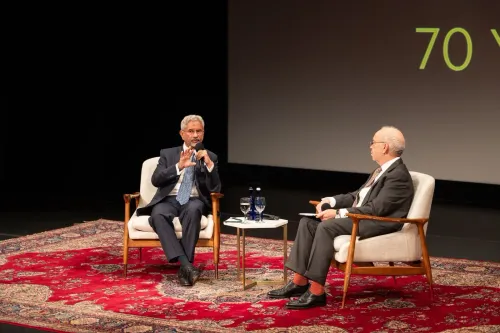
Jaishankar warned of a probable major food crisis 'in the coming months' at an event in New York on 29 September .
He cited disruptions to Black Sea grain shipments and growing fertiliser shortages as primary risk factors.
Jaishankar described the challenge as a four-part crisis: food, fuel, fertilisers, and finance — all under simultaneous strain.
He attributed the disruptions to the Ukraine conflict and the Iran-Gulf conflict , whose effects are rippling far beyond the directly involved countries.
The minister called on policymakers to consider the global consequences of their decisions, warning against self-centred governance.
He flagged that progress on UN Sustainable Development Goals (target year 2030 ) is already falling behind, compounding pressure on vulnerable states.
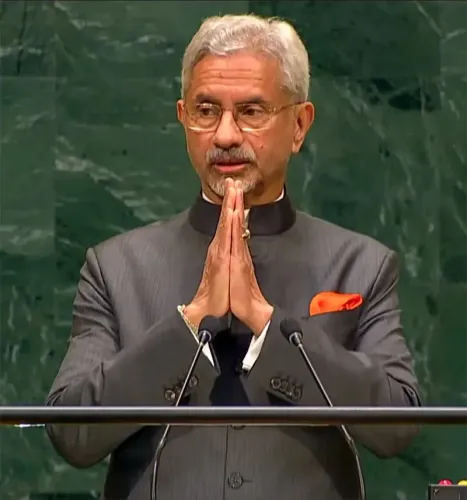
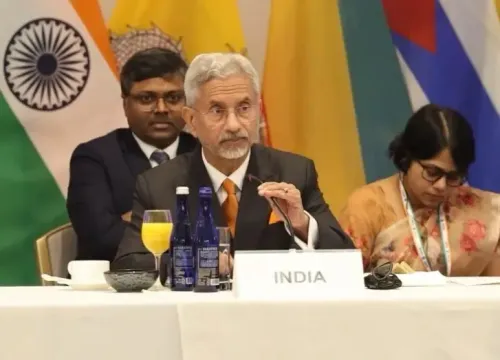
External Affairs Minister S. Jaishankar on 29 September warned of an imminent global food crisis, saying disruptions to grain shipments and fertiliser production — driven by ongoing conflicts — were already placing severe pressure on developing nations. Speaking at an event in New York, Jaishankar framed the risk as both urgent and preventable, urging policymakers worldwide to consider the wider consequences of their decisions.
The Four-Part Crisis
Jaishankar described the challenge facing much of the world as a four-part crisis spanning food, fuel, fertilisers, and finance. He linked the risk directly to strains on energy supplies, grain exports, and international financing flows — all of which, he argued, were being distorted by active conflicts.
He pointed specifically to the Ukraine conflict and the Iran-Gulf conflict as forces whose effects were being felt well beyond the countries directly involved. Disruptions to Black Sea shipping routes, he noted, were preventing some major grain exporters from sending shipments to global markets.
Jaishankar's Warning on Fertilisers and Grain
'We are already looking at major significant fertilizer shortages,' Jaishankar said. He added that a major food crisis was likely 'in the coming months,' presenting the scenario as a serious risk rather than a fait accompli. The minister's framing was deliberate — the crisis, he suggested, could still be mitigated if governments acted responsibly.
Energy markets compounded the concern. Jaishankar said the market was already tight, and that political decisions affecting oil supplies could push prices higher at precisely the moment when importing countries needed stability. He described the security of energy supply and the politics surrounding it as interconnected pressures with cascading consequences.
Call for Global Responsibility
Jaishankar was pointed in his criticism of self-interested policymaking. 'Countries should not be so self-centered that you're in your own world and take your decision,' he said, arguing that leaders had a responsibility to understand how their choices would affect populations elsewhere — particularly in nations with fewer resources to absorb shocks.
He also warned against allowing vulnerable states to slide into deep distress. Past collapses in governance had exacted a cost on global security, he argued, and meeting basic needs was both a matter of solidarity and practical common sense. This comes amid mounting concern that progress on the United Nations Sustainable Development Goals — adopted in 2015 as a framework for poverty, health, and education targets by 2030 — is falling behind schedule.
India's Stake and the Global South
Jaishankar said India, as a post-colonial society, felt a particular connection with developing countries navigating these pressures. But he argued that wealthier nations also had a tangible, self-interested reason to prevent instability in the Global South. He pointed to the political fallout from economic stress in India's neighbourhood following the Ukraine war as evidence of how quickly financial shocks translate into governance crises.
Notably, the minister's remarks came during a broader discussion on the pressures facing countries that seek to preserve strategic autonomy amid competition among larger powers — a recurring theme in India's foreign policy positioning. Conflicts also redirected capital toward safer destinations, he said, draining investment away from countries in the Global South that could least afford it.
What Comes Next
With fertiliser shortages already materialising and Black Sea grain corridors under strain, the window for preventive action is narrowing. International bodies, including the United Nations, face renewed pressure to coordinate supply-side interventions and financing relief for the most exposed economies. Jaishankar's remarks signal that New Delhi intends to keep the Global South's food and energy vulnerabilities at the centre of its multilateral agenda in the months ahead.
Point of View
Fuel, fertilisers, finance — is a deliberate echo of the language India deployed at G20 summits, suggesting this is coordinated messaging rather than off-the-cuff commentary. What is missing from the discourse, however, is a concrete Indian-led initiative to address these shortfalls; the diagnosis is sharp, but the prescription remains vague. If New Delhi wants to lead on this issue, the next step must move beyond warnings to actionable multilateral proposals.
NationPress
29 Sept 2026
Frequently Asked Questions
What food crisis did EAM Jaishankar warn about?
Jaishankar warned that disruptions to grain shipments — particularly through the Black Sea — and widespread fertiliser shortages could trigger a major global food crisis within the coming months. He made the remarks at an event in New York on 29 September, framing it as a serious risk that could still be mitigated with responsible policymaking.
Which conflicts did Jaishankar blame for the food and fertiliser crisis?
Jaishankar pointed to the Ukraine conflict and the Iran-Gulf conflict as the primary drivers, saying their effects on energy supplies, grain exports, and international finance were being felt far beyond the countries directly at war. Black Sea shipping disruptions were specifically cited as a bottleneck for grain exports.
Why are developing countries most at risk, according to Jaishankar?
Developing countries face simultaneous pressure on food, fuel, fertilisers, and finance, leaving them with little buffer to absorb additional shocks. Jaishankar also noted that conflicts redirect capital toward safer destinations, draining investment away from the Global South at the worst possible time.
What did Jaishankar say about the responsibility of policymakers?
He argued that policymakers cannot treat the damage to other countries as merely unintended consequences — they have a responsibility to consider the wider effects of their decisions. 'Countries should not be so self-centered that you're in your own world and take your decision,' he said.
How does this connect to the UN Sustainable Development Goals?
Jaishankar noted that progress toward the UN Sustainable Development Goals — adopted in 2015 with a 2030 deadline covering poverty, health, and education — is already falling behind. The food and energy crisis, he said, adds further strain on countries already exposed to conflict and supply disruptions, making the SDG targets harder to achieve.