Jaishankar meets Mongolian President in Ulaanbaatar, advances Strategic Partnership
Synopsis
EAM Jaishankar's Ulaanbaatar visit went well beyond diplomatic courtesy — it pressed India's 'third neighbour' doctrine into action, with talks covering a strategic oil refinery, a proposed direct Delhi-Ulaanbaatar flight, clean energy, and the spiritual bond cemented by the recent return of Buddha's relics from Mongolia to India.
Key Takeaways
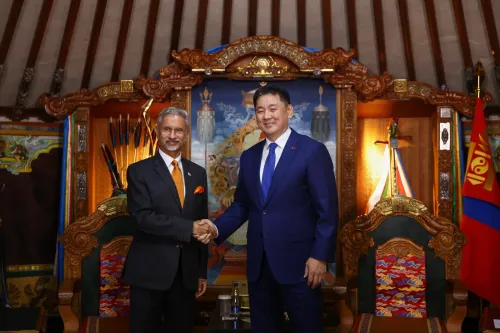
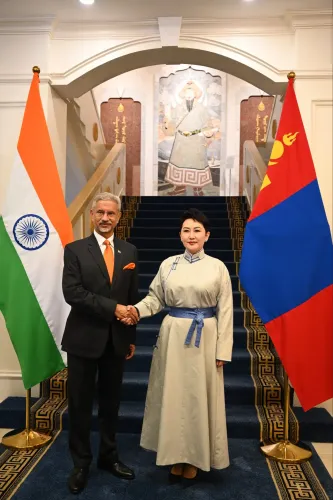
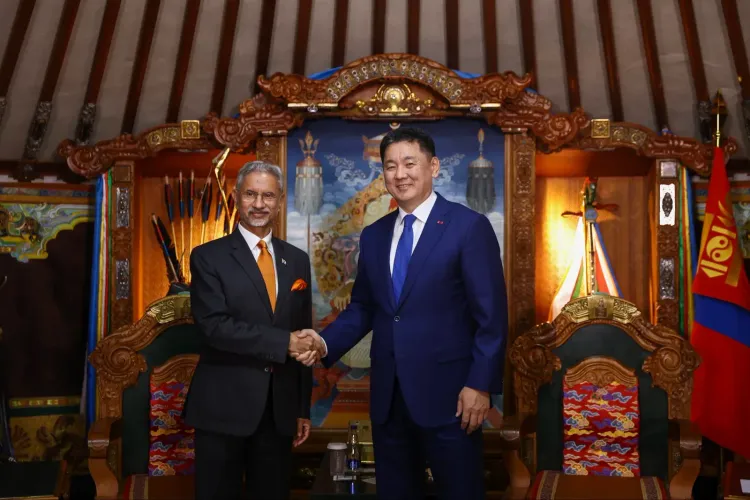
Jaishankar called on Mongolian President Khurelsukh Ukhnaa in Ulaanbaatar on 22 June , conveying greetings from President Murmu and PM Modi.
Jaishankar met Foreign Minister Battsetseg Batmunkh to review cooperation in development, security, clean energy, mining, and multilateral forums.
Both sides discussed a direct Ulaanbaatar-Delhi flight to boost tourism and people-to-people ties.
The oil refinery project was highlighted as a flagship symbol of India-Mongolia cooperation.
Jaishankar also met Chief Abbot of Gandan Monastery , deepening the spiritual and cultural dimension of bilateral ties.
The visit follows the 70th anniversary of diplomatic relations and the 10th anniversary of the Strategic Partnership, both marked in 2024 .
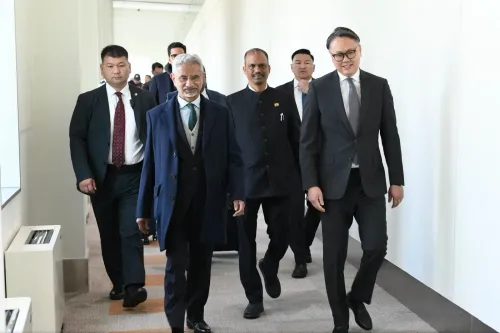
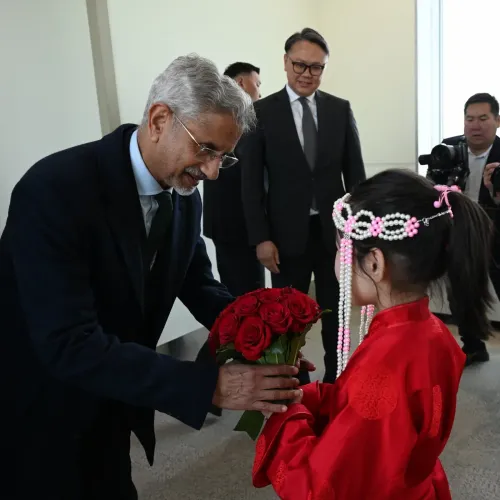
External Affairs Minister S. Jaishankar on Monday, 22 June called on Mongolian President Khurelsukh Ukhnaa in Ulaanbaatar, conveying greetings from President Droupadi Murmu and Prime Minister Narendra Modi as part of an official visit aimed at deepening the India-Mongolia Strategic Partnership. The high-level engagement covered cooperation across development projects, energy, mining, culture, and multilateral diplomacy.
Presidential Meeting and Strategic Momentum
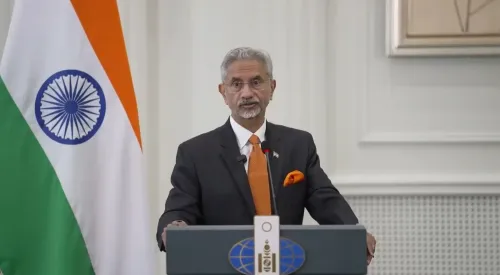
During the call on President Ukhnaa, Jaishankar acknowledged that the Mongolian President's state visit to India last year had imparted strong momentum to bilateral ties. 'Value his guidance on advancing our strong cooperation in a wide range of sectors. Fully agree with him that the greatest friendship is spiritual friendship,' Jaishankar said in a post on X. The two countries jointly marked the 70th anniversary of diplomatic relations and the 10th anniversary of the Strategic Partnership last year, opening new avenues for collaboration.
Bilateral Talks with Mongolian Foreign Minister
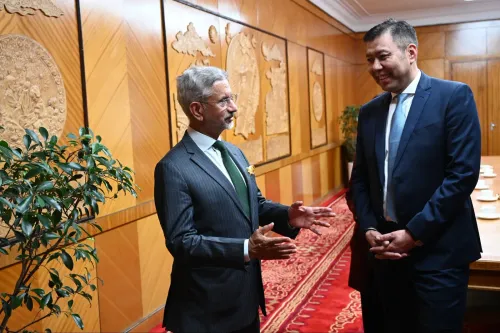
Jaishankar also held a comprehensive meeting with his Mongolian counterpart, Foreign Minister Battsetseg Batmunkh, reviewing progress across key areas including development projects, capacity building, security, education, and multilateral forums. Discussions also touched on emerging opportunities in mining, clean energy, and agri-processing. 'As a third neighbour and a spiritual partner, India stands ready to advance its close and cordial ties with Mongolia,' Jaishankar posted after the meeting.
Batmunkh highlighted the significance of the oil refinery project — described as a symbol of Mongolia-India cooperation — and expressed gratitude to the Indian government and people. Both sides also agreed to develop transport and logistics links and expand air connectivity, with Batmunkh expressing confidence that a direct flight on the Ulaanbaatar-Delhi route would boost tourism, people-to-people exchanges, and business cooperation.
Cultural and Spiritual Dimension
Reflecting the deep civilisational ties between the two nations, Jaishankar also met His Eminence Khamba Nomun Khan Geshe Lharampa D Javzandorj, the Chief Abbot of Gandan Monastery in Mongolia. 'His blessings for deepening our cultural ties and people-to-people goodwill are deeply cherished,' the Minister noted. This visit comes weeks after an Indian delegation led by Ladakh Lieutenant Governor Vinai Saxena brought back the holy relics of Lord Buddha's two chief disciples — Arahant Sariputra and Arahant Maudgalyayana — from Ulaanbaatar, where they had been on public display at Gandan Monastery from 31 May to 9 June.
What Comes Next
Both sides expressed commitment to converting the agreements reached between the two heads of state into concrete actions. Batmunkh noted that the visit holds 'significant importance in turning the agreements between the heads of state of the two countries into concrete actions and elevating the Strategic Partnership relations to a new level.' The two nations also reaffirmed their intent to strengthen cooperation within the framework of the United Nations and other international organisations in support of peace and sustainable development. India's engagement with Mongolia — framed through the lens of a 'third neighbour' and 'spiritual partner' — signals a steady deepening of New Delhi's outreach to landlocked nations in its extended neighbourhood.
Point of View
Spiritual diplomacy (Buddha's relics, Gandan Monastery), and now connectivity (a direct Delhi-Ulaanbaatar flight). What mainstream coverage misses is that Mongolia, sandwiched between Russia and China, represents a rare opening for India to build influence in a space Beijing dominates geographically. The oil refinery is the litmus test: if New Delhi can deliver on that project at scale, it earns credibility as a development partner rather than just a ceremonial one. The spiritual partnership is genuine, but partnerships need pipelines — literal and metaphorical — to endure.
NationPress
21 Sept 2026
Frequently Asked Questions
Why did EAM Jaishankar visit Mongolia?
Jaishankar visited Ulaanbaatar on an official trip to advance the India-Mongolia Strategic Partnership, meeting President Khurelsukh Ukhnaa and Foreign Minister Battsetseg Batmunkh. The visit focused on deepening cooperation in energy, mining, culture, air connectivity, and multilateral diplomacy.
What is the India-Mongolia oil refinery project?
The oil refinery project is a flagship infrastructure initiative described by both sides as a symbol of India-Mongolia cooperation. During the 22 June bilateral talks, its significance was highlighted and gratitude was expressed to the Indian government and people for their role in it.
What is the significance of the Ulaanbaatar-Delhi direct flight proposal?
A direct flight between Ulaanbaatar and New Delhi, discussed during Jaishankar's visit, is expected to boost tourism, people-to-people exchanges, and business cooperation between India and Mongolia. Foreign Minister Batmunkh expressed confidence that the route would give new impetus to bilateral ties.
What is the connection between India, Mongolia, and the Gandan Monastery?
Gandan Monastery in Ulaanbaatar is a key site of the spiritual bond between India and Mongolia. In June 2025, the holy relics of Arahant Sariputra and Arahant Maudgalyayana — two of Lord Buddha's chief disciples — were displayed there from 31 May to 9 June before being returned to India by a delegation led by Ladakh Lt. Governor Vinai Saxena. Jaishankar also met the monastery's Chief Abbot during his visit.
How long have India and Mongolia maintained diplomatic relations?
India and Mongolia celebrated the 70th anniversary of their diplomatic relations and the 10th anniversary of their Strategic Partnership in 2024. The relationship is characterised by India as that of a 'third neighbour' and 'spiritual partner' to the landlocked nation.