When Will Japan Select Its Next Prime Minister?
Synopsis
Japan's upcoming parliamentary session on February 18 is set to determine the next prime minister following a pivotal House of Representatives election. With the ruling party's significant gains, the political landscape is shifting, raising questions about governance amid ongoing economic challenges. What will this mean for the future of Japan?
Key Takeaways
Special parliamentary session on February 18.
New prime minister to be selected post-election.
Liberal Democratic Party (LDP) holds a two-thirds majority .
Concerns persist over Japan's economic challenges .
Political landscape may shift with Takaichi's leadership.
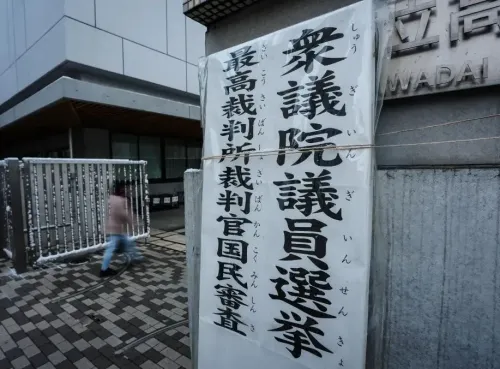
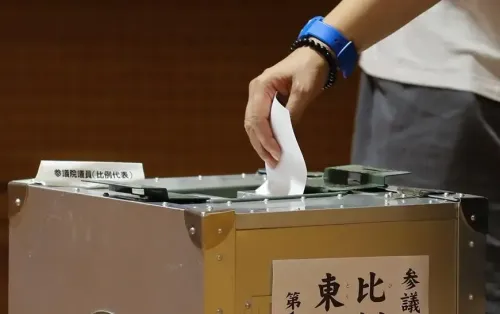
Tokyo, Feb 10 (NationPress) A special parliamentary session in Japan is set for February 18, where lawmakers will select a new prime minister following the recent House of Representatives election, as reported by local media on Tuesday.
As per Jiji Press, the Japanese Constitution mandates that an extraordinary Diet session be held within 30 days post-election to appoint a prime minister. On the inaugural day of this session, the current cabinet will resign collectively. Both the newly-elected House of Representatives and the existing House of Councillors will subsequently cast separate votes to select a new prime minister, who will then establish a new cabinet.
In the prime ministerial selection process, a candidate must achieve a majority in the first round of voting within each chamber to win directly. If no candidate secures a majority, the top two candidates will progress to a runoff, where the winner is determined by a simple majority. Should the two chambers nominate different candidates and fail to reach a consensus, the Constitution dictates that the decision of the influential House of Representatives will take precedence.
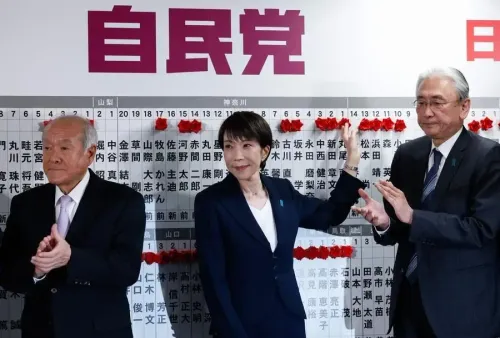
Given that the Liberal Democratic Party (LDP) holds over two-thirds of the seats in the lower house, Japanese media reports suggest that LDP President and Prime Minister Sanae Takaichi is virtually guaranteed victory in the selection process, according to Xinhua news agency.
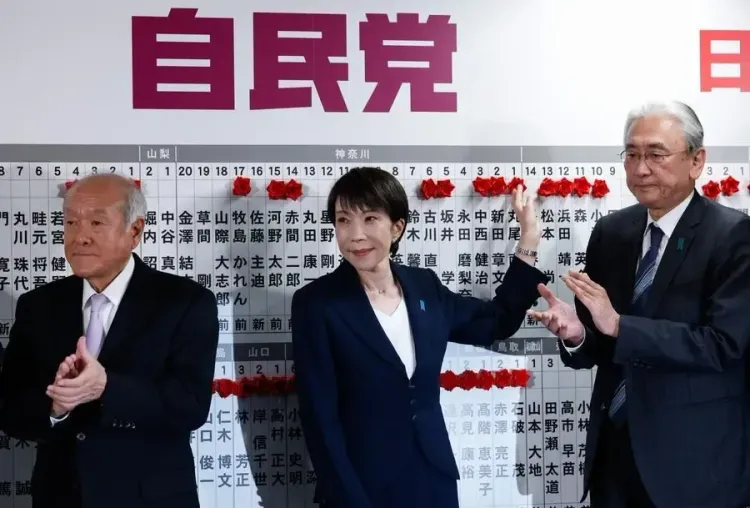
Following the recent lower house elections, the ruling LDP has significantly increased its number of seats, achieving a two-thirds majority in the House of Representatives.
Experts note that LDP President and Prime Minister Sanae Takaichi capitalized on the situation quickly before the adverse effects of her policies became apparent, solidifying her ruling position through a swift and entertainment-focused election strategy.
Nonetheless, Japan continues to grapple with deep-rooted economic and social issues, raising concerns regarding Takaichi's accelerated rightward political shift. For her administration, the genuine challenges may just be beginning.
The ruling LDP secured 316 out of 465 seats in the House of Representatives, surpassing the two-thirds threshold. Its coalition partner, the Japan Innovation Party (JIP), won 36 seats, bringing their combined total to 352 seats.
On the opposition front, the Centrist Reform Alliance (CRA), formed before the election by the Constitutional Democratic Party of Japan (CDPJ) and the Komeito party, saw its seat count plummet from 172 to 49.
Point of View
I believe that the upcoming selection of Japan's prime minister represents a significant juncture in the country's political narrative. The ruling party's strengthened position raises essential questions about governance and the unresolved economic issues facing the nation. It is vital for the new leadership to address these pressing challenges while ensuring a stable political environment.
NationPress
19 Sept 2026
Frequently Asked Questions
When is the special parliamentary session in Japan?
The special parliamentary session is scheduled for February 18.
What is the purpose of the parliamentary session?
The session is convened to select a new prime minister following the House of Representatives election.
Who is the likely candidate for prime minister?
LDP President and current Prime Minister Sanae Takaichi is widely believed to be the favored candidate.
How does the prime ministerial selection process work?
A candidate must secure a majority in the first round of voting in both chambers to win outright; otherwise, a runoff occurs.
What are the implications of the election results?
The LDP's strong majority could stabilize the government but also raises concerns about unresolved economic challenges.