Will Japan Elect a New Prime Minister on February 18?
Synopsis
Japan is gearing up for a pivotal parliamentary session on February 18, where a new prime minister will be elected following significant gains by the ruling party in the recent House of Representatives election. Will Sanae Takaichi secure her position amidst ongoing economic challenges?
Key Takeaways
Japan's special parliamentary session is set for February 18.
The ruling LDP made significant gains in the recent election.
Sanae Takaichi is expected to be re-elected as prime minister.
The opposition's CRA faced a major decline in seats.
Economic challenges remain a pressing concern for the new administration.
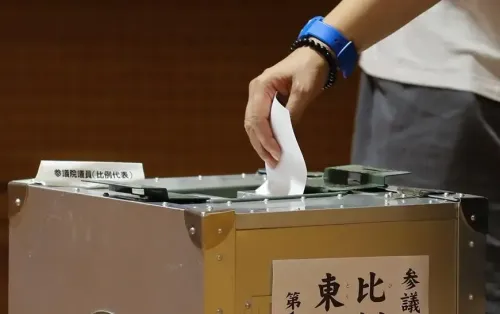
Tokyo, Feb 10 (NationPress) A special parliamentary session is set to take place in Japan on February 18 to select the country's next prime minister, following the House of Representatives election that occurred on Sunday, as reported by local media on Tuesday.
According to Jiji Press, the Japanese Constitution mandates that an extraordinary Diet session must be called within 30 days after a House of Representatives election to appoint a new prime minister. On the inaugural day of this session, the existing cabinet will collectively step down. The newly-elected House of Representatives, along with the current House of Councillors, will then hold separate votes to confirm the new prime minister, who will subsequently establish a new cabinet.
In the voting process for the prime minister, a candidate who achieves a majority in the initial voting round in both chambers wins outright. If no candidate secures a majority, the top two contenders will proceed to a runoff, where the winner is determined by a simple majority. Should the two chambers nominate different candidates and fail to reach an agreement after discussions, the Constitution dictates that the decision of the influential House of Representatives takes precedence.
Given that the Liberal Democratic Party (LDP) currently commands over two-thirds of the seats in the lower house, Japanese media outlets suggest that LDP President and Prime Minister Sanae Takaichi is highly likely to emerge victorious in the upcoming designation election, as reported by the Xinhua news agency.
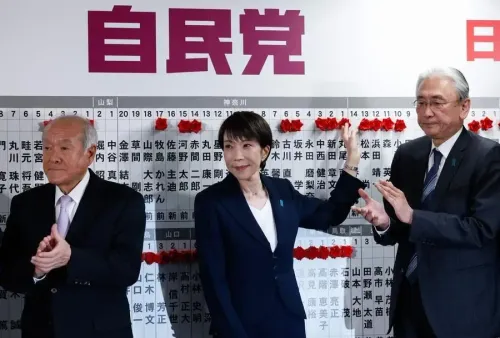
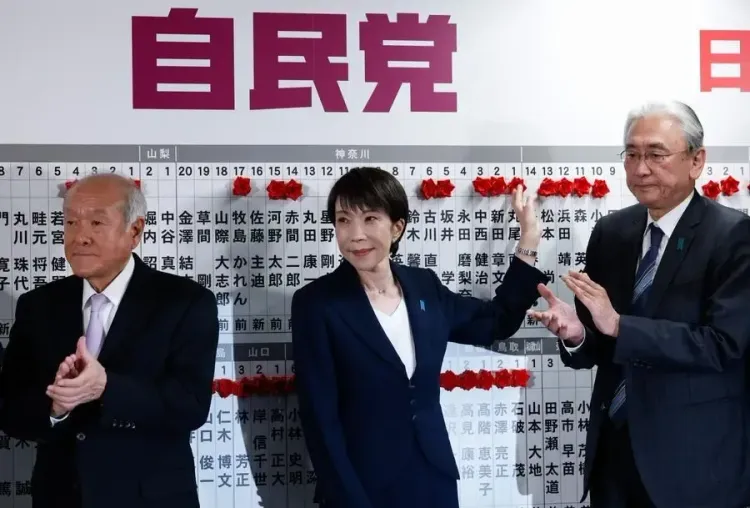
After the recent lower house election, Japan's ruling LDP made substantial gains in seats and independently secured a two-thirds majority in the House of Representatives.
Analysts note that LDP President and Prime Minister Sanae Takaichi capitalized on the opportunity before the adverse impacts of her policies became apparent, solidifying her governing base through a rapid and entertainment-driven election.
Nonetheless, Japan continues to grapple with profound economic and social issues amid increasing apprehensions regarding Takaichi's accelerated shift towards a political rightward trajectory. For the Takaichi administration, the genuine challenges may just be commencing.
The ruling LDP claimed 316 out of 465 seats in the House of Representatives, surpassing the two-thirds threshold. Its coalition partner, the Japan Innovation Party (JIP), secured 36 seats, bringing their combined total to 352 seats.
On the opposing front, the Centrist Reform Alliance (CRA), recently formed prior to the election by the Constitutional Democratic Party of Japan (CDPJ) and the Komeito party, witnessed its seat count plummet to 49 from the pre-election total of 172.
Point of View
It's crucial to recognize the potential impact of the upcoming prime ministerial election in Japan. With the Liberal Democratic Party's stronghold in the House of Representatives, the election results may solidify the party's direction under Takaichi. However, the unresolved economic issues could pose significant challenges for her administration going forward. We must remain vigilant in observing how these developments unfold.
NationPress
17 Oct 2026
Frequently Asked Questions
When will Japan elect its new prime minister?
Japan will elect its new prime minister on February 18 during a special parliamentary session.
What party is expected to win the prime ministerial election?
The Liberal Democratic Party (LDP) is expected to secure the prime ministerial election, with Sanae Takaichi likely to emerge victorious.
How many seats did the LDP win in the recent election?
The Liberal Democratic Party won 316 out of 465 seats in the House of Representatives.
What challenges does the new prime minister face?
The new prime minister will face ongoing economic and livelihood challenges amid concerns about a political rightward drift.
What is the significance of the recent election results?
The recent election results solidify the LDP's power and influence in Japan's political landscape, shaping future governance.