Japan weather agency warns of landslides, floods as Kyushu faces heavy rain
Synopsis
Japan's weather agency has flagged a rapidly rising risk of life-threatening landslides and floods across Kyushu, with one city recording 70.5 mm of rain in a single hour. Two typhoons forming south of Japan could intensify the threat further — a rare and dangerous convergence of meteorological forces bearing down on southwestern Japan.
Key Takeaways
The Japan Meteorological Agency (JMA) issued landslide and flood warnings for the Kyushu region on 24 June .
Satsumasendai City , Kagoshima Prefecture , recorded 70.5 mm of rain in one hour through 8:30 a.m. local time .
JMA forecasts 200 mm of rain in northern Kyushu and 250 mm on Shikoku over a 24-hour period ending 6 a.m.
A linear rainband alert was issued for the Satsuma area of Kagoshima; alerts extended to Nagasaki , Kumamoto , Saga , and Fukuoka .
Two typhoons — one near the Philippines , one near the Mariana Islands — are tracking toward Japan and could worsen conditions.
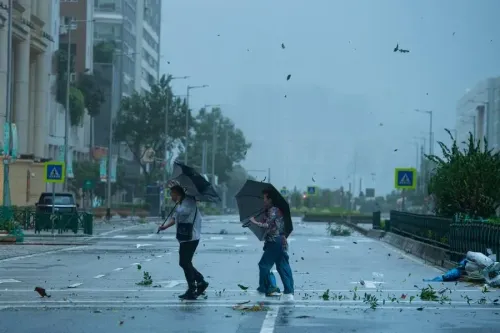
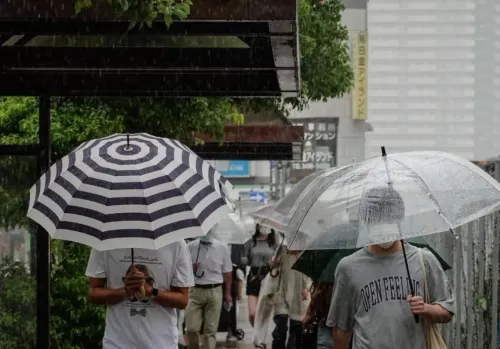
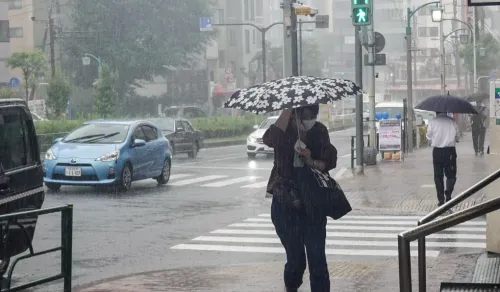
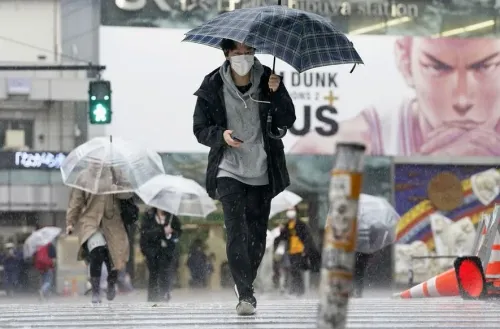
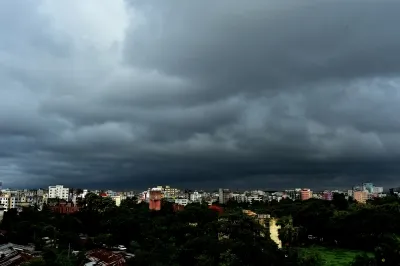
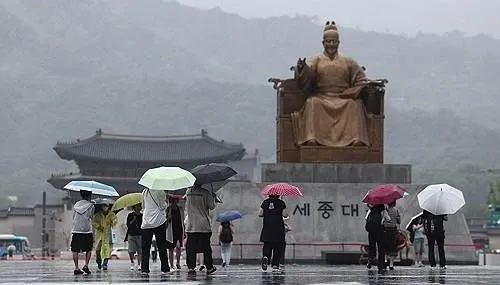
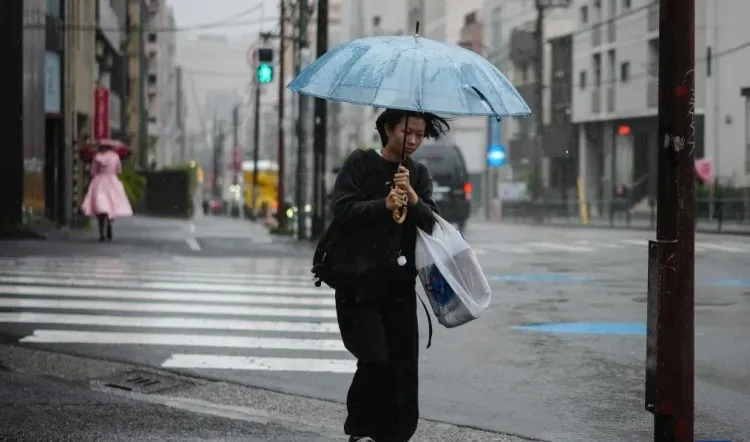
The Japan Meteorological Agency (JMA) on Wednesday, 24 June issued urgent warnings of life-threatening landslides and flooding across the Kyushu region, as torrential rainfall battered southwestern Japan and a seasonal rain front combined with a low-pressure system to push conditions to dangerous levels. Local residents have been urged to take immediate protective action.
Rainfall Intensity Across Prefectures
According to the JMA, rainfall exceeding 50 mm per hour was recorded in Nagasaki Prefecture in the early hours of Wednesday. In the one hour through 8:30 a.m. local time, Satsumasendai City in Kagoshima Prefecture recorded 70.5 mm of rain. Parts of Kumamoto Prefecture also saw 40 mm in the same window, underscoring the breadth of the rainfall event.
Forecasts and Linear Rainband Alert
The agency is forecasting 200 mm of cumulative rainfall across northern Kyushu in the 24-hour period ending at 6 a.m. Thursday. The main island of Shikoku could receive up to 250 mm over the same period. Areas where linear rainbands form may see totals exceeding even these projections.
The JMA issued a formal linear rainband alert for the Satsuma area of Kagoshima Prefecture, warning that the risk of life-threatening disasters is rising rapidly. Linear rainbands occur when successive clusters of developed cumulonimbus clouds align, delivering concentrated bursts of torrential rain over the same area. The agency further warned that such phenomena could develop over Nagasaki, Kumamoto, Saga, and Fukuoka prefectures through early Wednesday afternoon.
Twin Typhoons Add to the Threat
Compounding the crisis, two typhoons have formed south of Japan. The first, currently positioned east of the Philippines, may pass near Okinawa between Thursday and Friday before potentially tracking toward western Japan. The second, located near the Mariana Islands in the Pacific Ocean, is forecast to move northward and could also approach the Japanese archipelago in the coming days.
Notably, the simultaneous presence of a seasonal rain front, a low-pressure system, and two developing typhoons represents a convergence of meteorological risks rarely seen in such a compressed timeframe. Authorities have not yet issued evacuation orders, but residents in vulnerable zones have been strongly advised to remain on high alert.
What Residents Should Watch
The JMA continues to monitor conditions closely, with updates expected as the rain front evolves. Areas prone to steep terrain — particularly across Kagoshima, Nagasaki, and Kumamoto — face the greatest landslide risk. The agency's alerts are expected to remain in force at least through Thursday morning, with the typhoon trajectories adding further uncertainty to the outlook.
Point of View
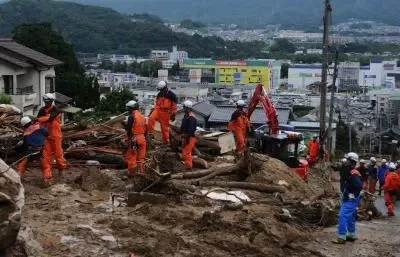
Which could sustain or intensify the rain front rather than dispersing it. Japan has invested heavily in disaster-warning infrastructure since the 2018 Hiroshima landslides, but the speed at which linear rainbands develop leaves narrow windows for evacuation. The real test will be whether local authorities translate the JMA's technical alerts into timely ground-level action before the twin typhoons complicate the picture further.
NationPress
24 Jun 2026
Frequently Asked Questions
Why is the Japan Meteorological Agency warning about landslides in Kyushu?
The JMA issued warnings on 24 June because extremely heavy rainfall — exceeding 50 mm per hour in some areas — is saturating slopes across Kyushu, sharply raising the risk of life-threatening landslides and flooding. A seasonal rain front combined with a low-pressure system is driving the torrential downpours.
What is a linear rainband and why is it dangerous?
A linear rainband forms when successive clusters of developed cumulonimbus clouds align, delivering intense, concentrated rainfall repeatedly over the same area. This makes total accumulations far higher than typical storm events, dramatically increasing landslide and flash-flood risk in affected zones.
Which areas of Japan face the highest risk from the current rainfall?
The JMA has specifically flagged the Satsuma area of Kagoshima Prefecture, as well as Nagasaki, Kumamoto, Saga, and Fukuoka prefectures in Kyushu, and the island of Shikoku, where up to 250 mm of rain is forecast in 24 hours.
How do the two typhoons affect the situation?
Two typhoons forming south of Japan add significant uncertainty. The first, east of the Philippines, may pass near Okinawa between Thursday and Friday before potentially moving toward western Japan. The second, near the Mariana Islands, is also forecast to track northward. Either could sustain or intensify the existing rain front.
What should residents in affected areas do?
The JMA has urged local residents to stay vigilant and take immediate steps to protect their safety. People in areas prone to steep terrain — particularly in Kagoshima, Nagasaki, and Kumamoto — should monitor official alerts closely and be prepared to evacuate if authorities issue orders.