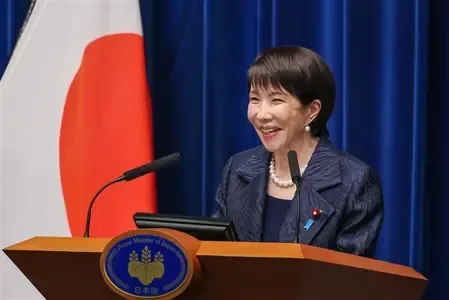
Did Japan's Envoy Call China's Criticism of PM Takaichi Unfounded?
Synopsis
In a recent letter to the UN, Japan's envoy vehemently rejected China's criticism of Prime Minister Takaichi, calling it unfounded. This exchange highlights ongoing tensions over Taiwan and Japan's defense stance, raising questions about regional stability.
Key Takeaways
Japan's envoy rejects China's criticisms of PM Takaichi.
Japan emphasizes its commitment to international law.
Dialogue is essential for resolving differences.
China's military activity around Taiwan is a growing concern.
Japan's defense policy is strictly defense-oriented.
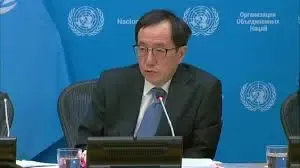
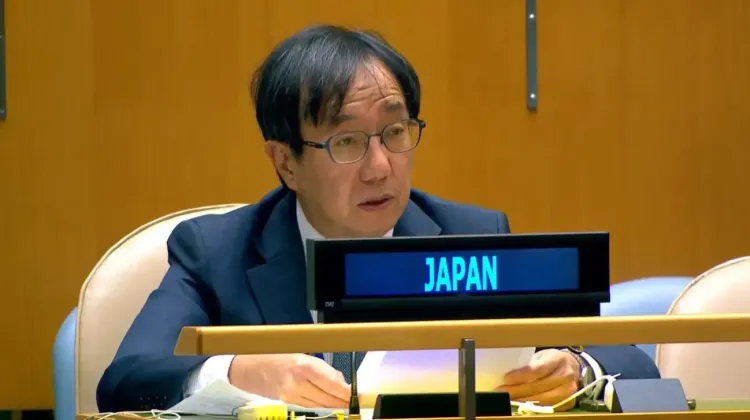
New York, Dec 5 (NationPress) The Permanent Representative of Japan to the United Nations, Yamazaki Kazuyuki, has addressed United Nations Secretary General Antonio Guterres in a letter, labeling China's criticism regarding Japanese Prime Minister Sanae Takaichi's comments on Taiwan as inconsistent with the facts, unsubstantiated, and unacceptable.
In his response to a letter from China sent to UN Secretary General, Yamazaki Kazuyuki remarked, "Similar to China's previous correspondence dated 21 November, the claims made are inconsistent with the facts, unsubstantiated, and categorically unacceptable. Japan's stance is detailed in my letter of 24 November, which I have attached for your reference. Nevertheless, following directions from the Japanese Government, I would like to reiterate Japan's perspective to you."
He emphasized that since the conclusion of the Second World War, Japan has consistently honored and followed international law, including the UN Charter, while actively contributing to the maintenance and enhancement of a free and open international order based on the rule of law, as well as fostering the sustainable growth of the global community. This steadfast commitment from Japan is widely acknowledged throughout the international arena. Japan will persevere, as a peace-loving nation, in supporting international peace, stability, and prosperity, in complete alignment with international law," he stated.
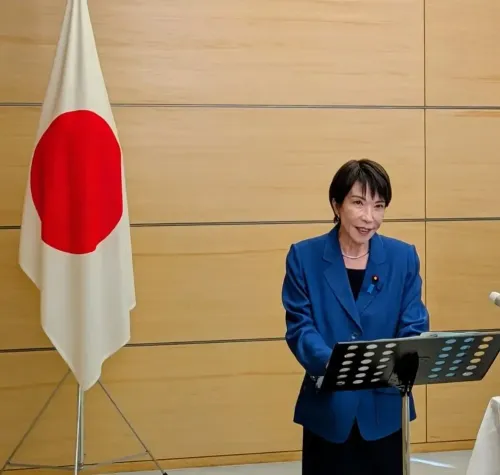
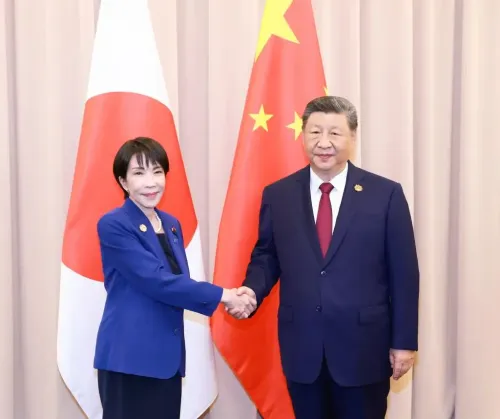
He added that Japan believes differences in opinions ought to be settled through dialogue and expressed Tokyo's readiness for such discussions. Yamazaki Kazuyuki's correspondence to the UN follows China's criticisms of Takaichi regarding her statement in parliament on November 7, where she indicated that an attack on Taiwan could represent an existential threat to Japan, necessitating a response from its Self-Defence Forces, as reported by Japan's leading news agency, Kyodo News.
His latest letter to the UN was prompted by a second missive from China’s Permanent Representative to the UN, Fu Cong, cautioning that the international community must remain vigilant against Japan's ambitions to enhance its military capabilities and revive militarism.
China views Taiwan as part of its territory and insists on its reunification with the mainland, even by force if needed. In recent years, China's escalated military activities around the self-governing democratic island have raised concerns about regional stability.
In his initial rebuttal to Guterres on November 24, Yamazaki Kazuyuki stated, "Japan's fundamental defense policy is characterized by a passive defense strategy, which is strictly defense-oriented, contrary to the claims made by the Chinese side. Japan also delineates, through domestic law, the situations under which the right of collective self-defense, as recognized by the UN Charter, can be exercised in a limited manner. The remarks made by Prime Minister TAKAICHI Sanae, as referenced by the Chinese side, are firmly based on this position. Therefore, China's assertion that Japan would invoke its right of self-defense without an armed attack is incorrect."
Point of View
It is imperative to approach this diplomatic exchange with neutrality. Japan's defense policies and its adherence to international law must be viewed within the broader context of regional security dynamics. While criticisms from China may escalate tensions, Japan's commitment to peace and dialogue remains essential for stability in the Asia-Pacific region.
NationPress
3 Oct 2026
Frequently Asked Questions
What prompted the Japanese envoy's letter?
The letter was a response to China's criticism of Prime Minister Takaichi's remarks regarding Taiwan, which Japan deemed inconsistent with facts.
What are Japan's fundamental defense policies?
Japan's defense policies are characterized by a passive defense strategy focused on strictly defense-oriented actions.
How does Japan view its relationship with Taiwan?
Japan recognizes the importance of addressing regional security concerns and believes in dialogue regarding Taiwan.
What are China's views on Taiwan?
China considers Taiwan part of its territory and insists on reunification, potentially by force.
What has been the international response to this situation?
Internationally, concerns have been raised about the potential for increased military tensions in the region.