JUI-F chief Fazl-ur-Rehman slams Pakistan over Afghanistan policy, warns of economic collapse
Synopsis
JUI-F chief Fazl-ur-Rehman has broken ranks with Pakistan's government in unusually stark terms — accusing it of surrendering mineral resources to the US, driving investors out of the country, and wrecking western trade routes through its confrontational Afghanistan policy. With the Taliban simultaneously branding Islamabad's approach a 'failed policy,' Pakistan's western flank is turning into both a security and economic flashpoint.
Key Takeaways
JUI-F chief Maulana Fazl-ur-Rehman publicly condemned the Pakistan government's policies toward Afghanistan on 19 October 2026 .
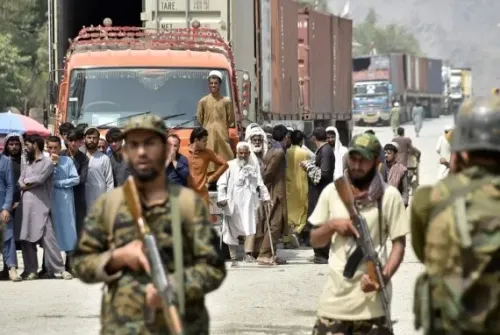
Rehman warned that conflict has halted trade through Pakistan's western crossings, destroying businesses and livelihoods.
He accused the government of facilitating US investment in tribal-area mineral resources, calling it a threat to national sovereignty.
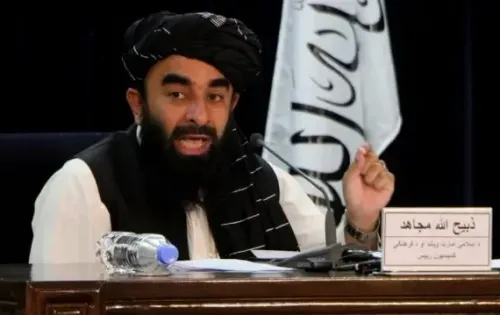
Taliban spokesperson Zabihullah Mujahid on 12 October labelled Islamabad's approach a 'failed policy' in a statement posted on X .
Pakistan's Foreign Ministry on 9 October reiterated allegations that TTP and BLA maintain safe havens inside Afghanistan — charges the Taliban has rejected.
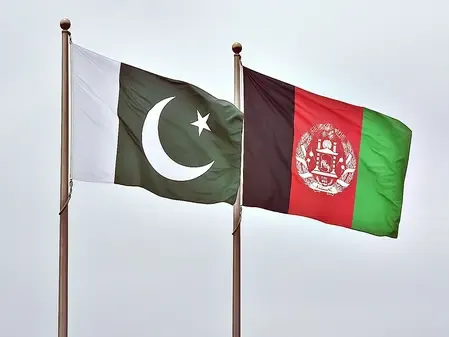
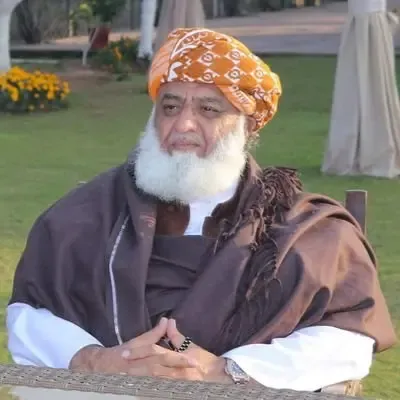
Jamiat Ulema-e-Islam (JUI-F) chief Maulana Fazl-ur-Rehman has launched a sharp broadside against the Pakistan government over its policies towards Afghanistan, warning that the ongoing conflict has shuttered western trade routes, devastated commerce, and stripped ordinary people of their livelihoods. His remarks, reported by local media on Monday, 19 October 2026, come at a moment of acute strain in Islamabad-Kabul relations.
Trade Routes Choked, Investors Fleeing
Rehman stated that hostilities with Afghanistan have brought cross-border trade through Pakistan's western crossings to a complete standstill. 'The conflict with Afghanistan has brought trade through Pakistan's western crossings to a halt, destroying businesses and people's sources of income,' he said, according to Afghanistan-based Tolo News.
He also warned that China has lost confidence in Pakistan as a reliable partner, and flagged that Pakistani investors are relocating capital abroad while foreign investors are choosing Afghanistan over Pakistan. 'Why are investors coming to Afghanistan to invest while Pakistani investors are taking their money out of Pakistan?' Rehman asked, citing security, contractual transparency, and rule of law as the three pillars any investment destination must offer — all of which he claimed Pakistan has failed to provide.
Rehman's Charge on Minerals and Foreign Control
In a pointed allegation, Rehman accused the government of facilitating US investment in mineral resources in tribal areas, arguing this effectively opens the door to foreign control over sovereign resources. 'You have made deals with the Americans, effectively allowing them to take control of our resources on our own soil,' he said. He added that China and Russia also hold concerns about this approach, and warned that such a policy is 'no longer acceptable' to him or his party.
Taliban Hits Back at Islamabad
Rehman's remarks coincide with a broader deterioration in Pakistan-Afghanistan ties. On 12 October, Taliban spokesperson Zabihullah Mujahid accused Pakistani authorities of attempting to derail the negotiation process and focusing on 'propaganda rather than finding solutions,' describing it as Islamabad's 'failed policy.'
In a statement shared on X, Mujahid said: 'Blaming Afghanistan for its own failures by Pakistani officials is no solution to any problem. The political, security, social, and economic challenges facing Pakistan are a matter of serious concern and have negative implications for the entire region.' He urged Pakistan to take constructive steps to resolve its domestic challenges and respect the rights of its politicians and citizens.
TTP Safe Havens Row Deepens the Rift
The Taliban's pushback followed a media briefing by Pakistan's Foreign Ministry spokesman Sajjad Haider Khan on 9 October, in which he reiterated Islamabad's standing allegations that Tehreek-e-Taliban Pakistan (TTP), the Baloch Liberation Army (BLA), and other armed groups maintain safe havens inside Afghanistan. Khan stated that Pakistan had shared precise location data on these militants with Taliban authorities and urged them to act against groups conducting cross-border attacks.
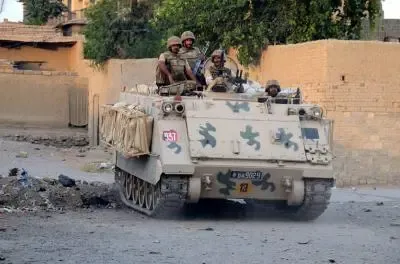
Taliban officials have consistently rejected these claims, calling them baseless. In recent months, the two neighbours have traded fire repeatedly, with mounting concerns over civilian casualties on both sides of the border.
What This Signals
Rehman's intervention carries significant political weight: as head of JUI-F, a religious party with deep roots in Pakistan's border belt, his criticism of the government's Afghanistan and minerals policy reflects growing unease within constituencies that bear the direct economic cost of border closures. With diplomatic channels between Islamabad and Kabul effectively frozen, and armed group accusations flying in both directions, any near-term resolution to the standoff appears distant.
Point of View
Historically a pillar of state support for Afghan policy, is now openly at odds with Islamabad's strategic direction. The dual charge — that Pakistan is handing mineral assets to the US while alienating China and Russia — is a damaging narrative for a government already under economic and diplomatic pressure. What mainstream coverage tends to underplay is the trade dimension: western route closures do not just hurt smugglers; they hurt formal commerce in Khyber Pakhtunkhwa and Balochistan, precisely the constituencies that propelled parties like JUI-F. If Pakistani investors are genuinely moving capital to Afghanistan, as Rehman claims, that is a more telling indictment of domestic conditions than any GDP number.
NationPress
19 Oct 2026
Frequently Asked Questions
Why is JUI-F chief Fazl-ur-Rehman criticising Pakistan's Afghanistan policy?
Rehman argues that the Pakistan government's confrontational stance toward Afghanistan has closed western trade routes, destroyed livelihoods, and pushed Pakistani investors to relocate capital abroad. He also objects to what he describes as deals giving the US effective control over mineral resources in Pakistan's tribal areas.
What did Taliban spokesperson Zabihullah Mujahid say about Pakistan?
On 12 October, Mujahid accused Pakistani authorities of trying to sabotage the negotiation process and focusing on propaganda rather than solutions, calling it a 'failed policy.' In a post on X, he said blaming Afghanistan for Pakistan's own failures 'is no solution to any problem.'
What is Pakistan's accusation against the Taliban regarding TTP?
Pakistan's Foreign Ministry has repeatedly alleged that Tehreek-e-Taliban Pakistan (TTP), the Baloch Liberation Army (BLA), and other armed groups operate from safe havens inside Afghanistan. At a media briefing on 9 October, spokesman Sajjad Haider Khan said Pakistan had shared militant location data with Taliban authorities and urged them to act. The Taliban has rejected these allegations as baseless.
How have Pakistan-Afghanistan relations deteriorated recently?
In recent months, the two countries have exchanged fire repeatedly, raising concerns over civilian casualties. Diplomatic channels have effectively stalled, with the Taliban accusing Islamabad of propaganda and Pakistan demanding action on cross-border militant groups — with neither side showing movement toward resolution.
What is the economic impact of the Pakistan-Afghanistan standoff?
According to Rehman, trade through Pakistan's western border crossings has halted, disrupting businesses and household incomes in the border belt. He also claimed that Pakistani investors are withdrawing capital from the country, citing a lack of security, transparency, and rule of law — conditions he argued that Afghanistan, ironically, is currently seen as offering more reliably.