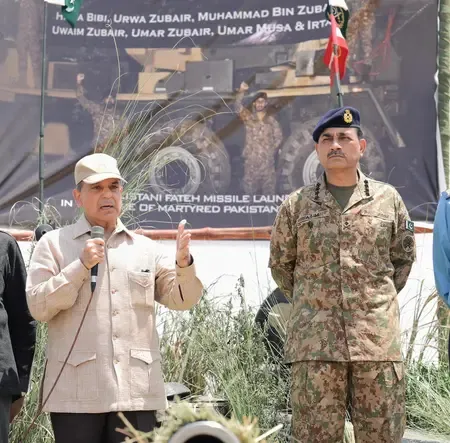
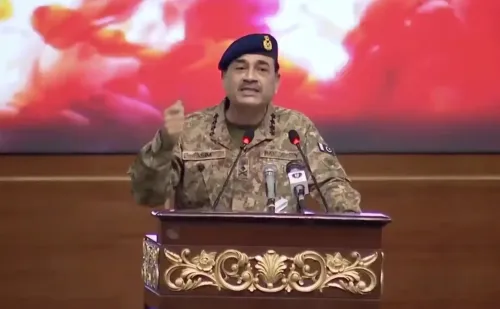
Asim Munir's anti-JUI-F gambit risks uniting militants against Pakistan army
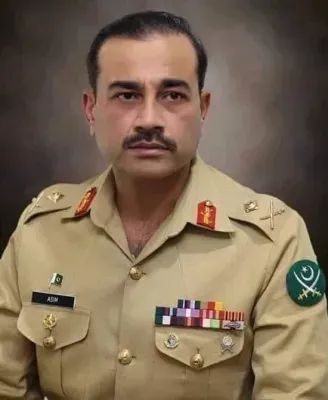
Synopsis
Pakistan Army Chief Asim Munir is reportedly using Lashkar-e-Taiba's political front to covertly target JUI-F — but the plan risks uniting the Jaish-e-Mohammed, Afghan Taliban, and TTP against the army at a moment when Pakistan's internal security is already under severe strain from Operation Sindoor's fallout.
Key Takeaways
Field Marshal Asim Munir is allegedly backing the Milli Muslim League (MML) , a Lashkar-e-Taiba proxy, to pressure JUI-F chief Maulana Fazlur Rehman into silence.
The army reportedly wants to avoid open legal or military confrontation with JUI-F , framing the conflict as a political rivalry.
The Jaish-e-Mohammed , long allied with JUI-F on Deobandi lines, is expected to view the plan as a direct provocation.
Both JUI-F and Jaish-e-Mohammed maintain ties with the Afghan Taliban , whose relations with Islamabad have already deteriorated sharply.
The TTP reportedly holds the upper hand in Khyber Pakhtunkhwa and could grow more aggressive in response to Munir's strategy.
Officials say the plan carries a high risk of backfiring, with militant trust in the army having eroded significantly since Operation Sindoor .
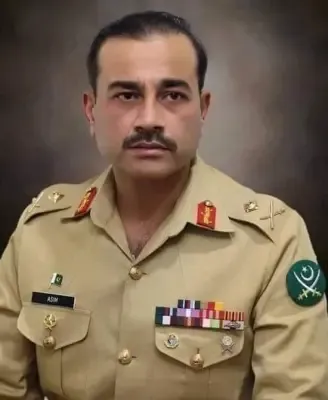
Pakistan Army Chief Field Marshal Asim Munir is reportedly backing the Lashkar-e-Taiba's political front, the Milli Muslim League (MML), to wage a covert campaign against the Jamiat Ulema-e-Islam (F) and its chief Maulana Fazlur Rehman — a strategy that officials warn could trigger a dangerous realignment of militant factions against the Pakistani security establishment.
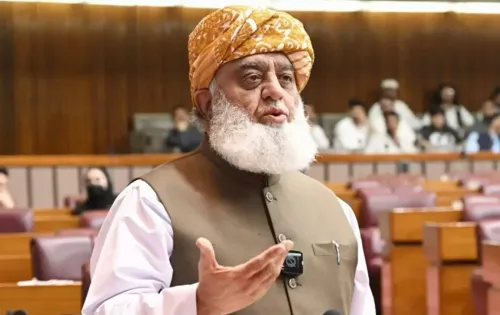
According to officials, the move comes after Rehman publicly accused Munir of incompetence in handling national security and governance, posing a political challenge the army has been unwilling to confront openly in the wake of sustained criticism over its crackdown on Pakistan Tehreek-e-Insaf (PTI) chief Imran Khan.
The Covert Strategy
An Intelligence Bureau official, speaking on background, said the army has deliberately chosen not to deploy legal mechanisms or direct force against the JUI-F, wary of further public backlash. Instead, according to these claims, Munir's establishment is allegedly encouraging the MML — widely regarded as a political proxy of the Lashkar-e-Taiba — to confront Rehman's party through what officials describe as targeted intimidation, including alleged killings of JUI-F leaders drawn from Lashkar's operational network.
The aim, officials say, is to present the conflict to the outside world as an ordinary political rivalry, while using the threat of violence to pressure Rehman into moderating his rhetoric against the army. 'This plan by the army also exposes the fault lines that have grown amidst the terror groups post Operation Sindoor,' one official said.
The Jaish-e-Mohammed Factor
The plan carries significant blowback risk, particularly from the Jaish-e-Mohammed (JeM). The outfit has long maintained a close political relationship with the JUI-F, which has historically served as its electoral interlocutor given that JeM itself is banned from contesting elections. Both organisations adhere to the Sunni Deobandi school of Islam and share deep institutional ties.
Officials say that using the Lashkar-e-Taiba — a rival militant network — against the JUI-F would be interpreted by the Jaish-e-Mohammed as a direct provocation. The fallout, analysts caution, would not be confined to inter-group rivalry.
Afghan Taliban and TTP Dimensions
Both the Jaish-e-Mohammed and the JUI-F share historic ties with the Afghan Taliban, with whom they have aligned on demands for an end to foreign intervention in Afghanistan. Pakistan's relations with the Afghan Taliban have already deteriorated sharply in recent years — Islamabad reportedly declared a military posture against the Taliban, further straining ties.
Analysts warn that the Munir strategy risks angering not only the Jaish-e-Mohammed but also the Afghan Taliban and the Tehreek-e-Taliban Pakistan (TTP). The TTP has already inflicted severe damage on Pakistan's security forces and reportedly holds the upper hand in Khyber Pakhtunkhwa (KP). 'This newly drawn plan of Munir's will only worsen things for the security mechanism in KP as the TTP is bound to get more aggressive,' experts say.
A Gamble That May Already Be Backfiring
Officials characterise Munir's move as a significant and high-risk gamble. Since Operation Sindoor — in which Pakistan reportedly suffered a major strategic setback — Munir has, according to officials, been unable to persuade the Jaish-e-Mohammed to resume an active operational role, with the outfit's trust in the army having eroded sharply in the aftermath.
Pakistan observers note that any tactical success from the MML-backed pressure campaign on the JUI-F is likely to be short-lived. The deeper consequence, they argue, could be a broader consolidation of militant factions — bound by shared grievances against the army — that would pose a far graver long-term threat to Pakistan's already strained internal security architecture.
Point of View
Not strength. The army is essentially weaponising one militant network against a political party that itself serves as an umbrella for another — a move that risks fracturing the carefully managed, if always uneasy, equilibrium among Pakistan's Deobandi factions. Post-Operation Sindoor, the army's credibility with outfits like the Jaish-e-Mohammed is already at a low; this plan could push those groups toward the TTP's orbit rather than back under GHQ's influence. The deeper irony is that Munir's attempt to silence domestic dissent may accelerate the very security unravelling he is trying to prevent.
NationPress
21 Oct 2026
Frequently Asked Questions
What is Pakistan Army Chief Asim Munir's reported strategy against JUI-F?
According to officials, Munir is allegedly encouraging the Milli Muslim League (MML), the political front of Lashkar-e-Taiba, to covertly intimidate and target JUI-F leaders rather than using legal or direct military means. The aim is to pressure Maulana Fazlur Rehman into moderating his public criticism of the army while keeping the army's involvement deniable.
Why is Maulana Fazlur Rehman a problem for the Pakistan army?
Rehman, chief of the Jamiat Ulema-e-Islam (F), has publicly accused Army Chief Field Marshal Asim Munir of incompetence in managing national security and governance. His open criticism poses a political challenge at a time when the army is already under fire for its crackdown on PTI chief Imran Khan and its handling of Operation Sindoor.
How could this plan affect the Jaish-e-Mohammed?
The Jaish-e-Mohammed has long relied on JUI-F as its political interlocutor since it is banned from contesting elections. Both share Sunni Deobandi ties and historic alignment. Using a rival Lashkar-e-Taiba network against JUI-F would, according to officials, be seen by the Jaish-e-Mohammed as a direct provocation, potentially eroding its already-strained relationship with the army further.
What role does the TTP play in this situation?
The Tehreek-e-Taliban Pakistan (TTP) has already inflicted significant damage on Pakistan's security forces and reportedly controls much of Khyber Pakhtunkhwa. Experts warn that Munir's anti-JUI-F strategy could provoke the TTP into further aggression, worsening the security situation in KP at an already critical moment.
What was Operation Sindoor and why does it matter here?
Operation Sindoor was a military engagement in which Pakistan reportedly suffered a major strategic setback. Officials say the fallout has severely eroded the Jaish-e-Mohammed's trust in the Pakistan army, and Munir has since been unable to persuade the outfit to resume an active role. This weakened position, analysts argue, makes his latest gamble against JUI-F even riskier.