Is Pakistan's Establishment Shifting to Managed Anti-India Mobilization?
Synopsis
Amid rising internal pressures, Pakistan's leaders are intensifying anti-India rhetoric to unite public sentiment. This article explores how the establishment's tactics are designed to deflect attention from domestic issues and bolster recruitment for militant organizations.
Key Takeaways
Pakistan's leaders are increasing anti-India rhetoric.
Rallies are sanctioned and protected by the establishment.
Domestic issues are driving a need for diversionary tactics.
Public discontent is rising due to failures in Balochistan.
Recruitment for militant organizations is a concern.
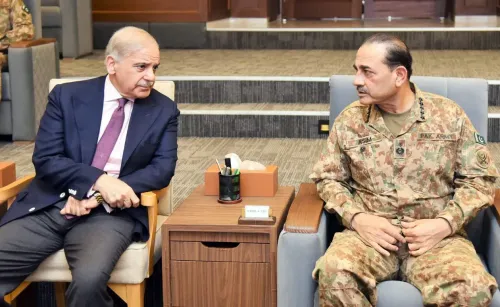
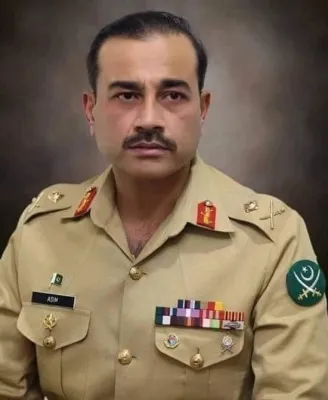
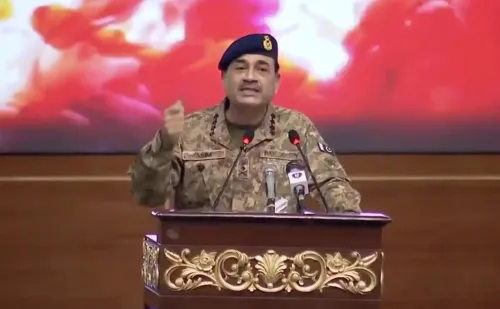
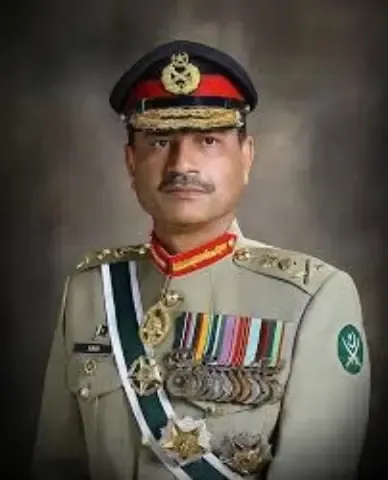
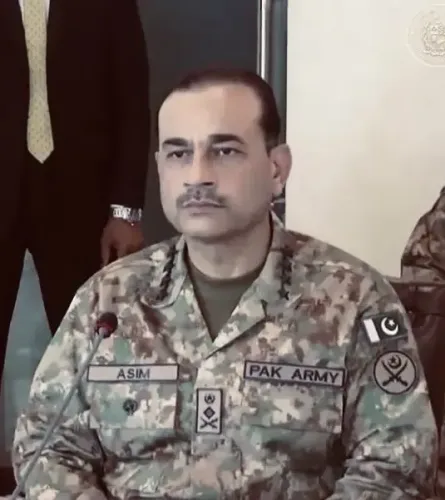
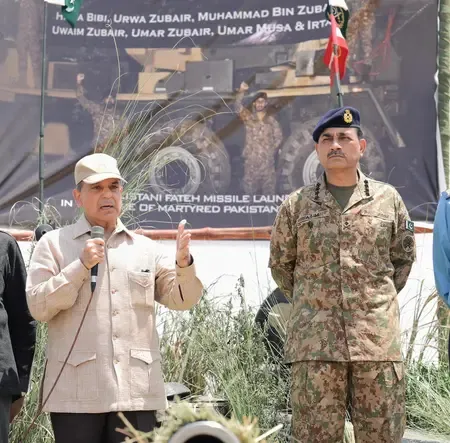
New Delhi, Feb 6 (NationPress) The Prime Minister of Pakistan, Shehbaz Sharif, along with the Army Chief, Field Marshal Asim Munir, is intensifying efforts to stir up anti-India feelings among the populace. While Pakistan has been extending protection to Jaish-e-Mohammad rallies, both leaders have also been inciting the people in Pakistan-occupied Kashmir (PoK).
The army and government have approved rallies organized by Jaish-e-Mohammad in regions such as Khyber Pakhtunkhwa, Swabi, and Sindh, focusing on anti-India themes to rally sentiment against New Delhi.
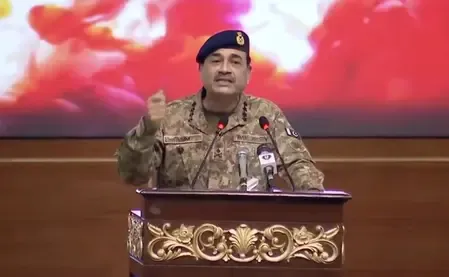
Recently, both Sharif and Munir have made several visits to PoK, delivering incendiary speeches.
During these speeches, they asserted that the liberation of Kashmir is imminent. They also emphasized the army's preparedness to confront India.
Sharif further claimed that India has no alternative but to grant self-determination to the Kashmiri people, labeling India as an aggressive nation that disrupts regional stability.
Officials suggest these events are strategically timed as Pakistan faces challenges in Balochistan, where numerous security personnel have fallen in fierce clashes with the Balochistan Liberation Army (BLA) recently. Public discontent is rising against the establishment, which is engaged in multiple conflicts amid an economic downturn.
There are growing concerns regarding Imran Khan's treatment and current status.
Additionally, the army's reputation has suffered following India's successful Operation Sindoor, leading to public doubts about military effectiveness.
One official noted that these events are a deliberate effort to incite anti-India sentiments as a distraction from the establishment's failures.
Another source indicated that the rallies organized by terrorist groups were sanctioned by the establishment. These events are heavily guarded by Pakistan Police and other security agencies, with participants brandishing AK-47s while calling for violence against India.
An Intelligence Bureau official stated that more such rallies supporting terrorist groups, openly backed by the establishment, are expected in the near future.
Post Operation Sindoor, recruitment levels have plummeted, and these rallies aim to revitalize recruitment efforts, the official added.
Moreover, the establishment is openly showcasing its security support to signal potential recruits that they have official backing.
Concerns arose when the establishment could not safeguard groups like Jaish-e-Mohammad and Lashkar-e-Tayyiba during Operation Sindoor. This explains why security is being provided for rallies of organizations designated as terrorist by both the UN and US.
In PoK, agencies have discovered that, beyond inciting the populace and diverting attention, efforts are being made at the highest levels to escalate tensions.
The army's inability to assist terrorists waiting at launch pads for infiltration into India has frustrated the establishment. Local tensions may create a distraction for Indian forces, allowing terrorists to exploit the situation to infiltrate Jammu and Kashmir.
Earlier this week, Indian security agencies uncovered a plot by Jaish-e-Mohammad to establish new cells in Jammu and Kashmir.
Additionally, a significant search operation is underway to track down remaining foreign terrorists in Kashmir, further complicating matters for the Pakistani establishment, officials indicate.
Point of View
It is crucial to maintain a balanced view on the complexities of Pakistan's political landscape. While anti-India sentiments are being stoked, the underlying issues within Pakistan require scrutiny and understanding. The Nation stands committed to providing comprehensive coverage of these developments.
NationPress
6 Oct 2026
Frequently Asked Questions
What is the significance of the rallies organized by Jaish-e-Mohammad?
The rallies are significant as they reflect the establishment's strategy to divert public attention from internal issues and boost the morale of militant organizations.
How is the situation in Balochistan affecting Pakistan's political stance?
The ongoing conflict and losses in Balochistan are prompting the establishment to adopt aggressive rhetoric towards India as a means to unify the populace.
What role does Kashmir play in Pakistan's anti-India sentiment?
Kashmir is a focal point for anti-India sentiment in Pakistan, with leaders using the region's struggles to rally support and distract from domestic issues.
Why is the establishment providing security to these rallies?
The provision of security is intended to legitimize the rallies and signal to potential recruits that the establishment supports their activities.
What are the implications of the military's failure in Operation Sindoor?
The military's failure has eroded public confidence in its capabilities, prompting the establishment to intensify anti-India mobilization efforts.