J&K researcher at UNHRC 63rd session: 'Do not reduce Kashmir to a geopolitical narrative'
Synopsis
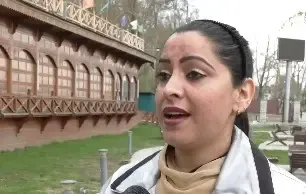
At the UNHRC's 63rd session in Geneva, Kashmiri researcher Anika Nazir made a pointed plea to global platforms: stop flattening Kashmir into a geopolitical dispute and start seeing it as a living society where women are building enterprises, youth are chasing dreams, and communities are actively rebuilding. Her intervention directly challenged what she called Pakistan's information warfare over the region.
Key Takeaways
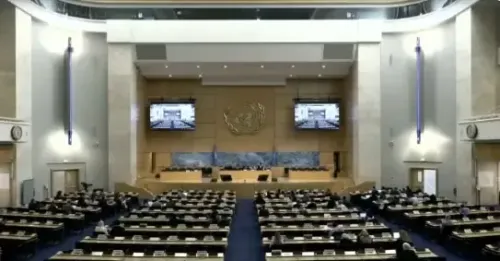
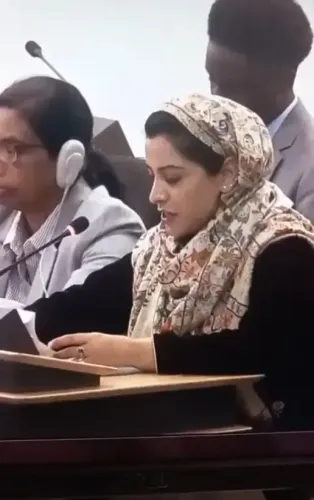
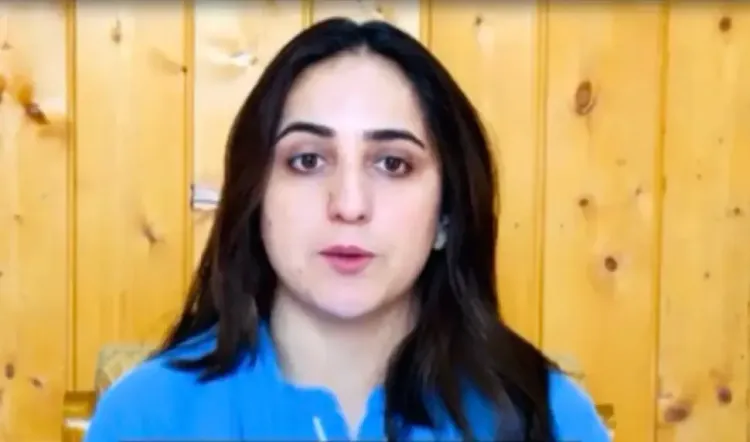
Anika Nazir , a community development professional from Jammu and Kashmir , addressed the UNHRC 63rd session via video on 24 September 2026 in Geneva .
She called on global platforms to engage with ground-level realities rather than narratives shaped by what she termed Pakistan's information warfare .
Nazir highlighted the growing role of Kashmiri women as entrepreneurs, educators, professionals and community leaders.
She urged the UNHRC to adopt 'fresh lenses' — centred on dignity, development and peace — when discussing J&K .
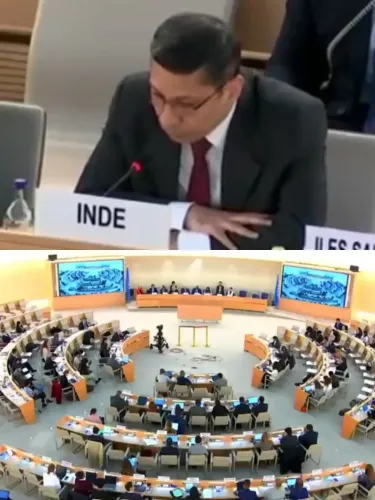
The 63rd UNHRC session runs from 7 September to 7 October at the Palais des Nations , Geneva.
An Indian researcher from Jammu and Kashmir urged the United Nations Human Rights Council (UNHRC) on 24 September 2026 to view the region through the lived experiences of its people rather than through an exclusively geopolitical lens, in a video presentation aired during the 63rd session of the council in Geneva. The intervention spotlighted women's growing participation in education, enterprise and community leadership as evidence of a society in active transformation.
What the Researcher Said
Anika Nazir, a community development professional and researcher from Jammu and Kashmir, delivered her remarks via video during the ongoing session, held at the Palais des Nations in Geneva from 7 September to 7 October. Nazir called on global platforms to engage with verified, ground-level realities rather than with what she described as narratives shaped by misinformation or disinformation — including what she characterised as Pakistan's information warfare concerning the region.
'Kashmir deserves to be understood through facts, through the realities on the ground and not through misinformation or disinformation created by Pakistan's information warfare,' Nazir said in her address.
Women, Youth and Community Rebuilding
A central thread of Nazir's intervention was the need to see Kashmiri women not solely through the lens of conflict, loss and adversity, but through their expanding roles as entrepreneurs, educators, professionals and community leaders. She argued that genuine empowerment requires not merely amplifying women's voices but building institutions willing to act on what those voices say.
'Today, women are becoming entrepreneurs, professionals, educators and community leaders. And to me, true empowerment is not simply giving women a voice. It is creating a society that is willing to listen when women speak,' she stated.
A Call for People-Centred Narratives
Nazir urged the UNHRC and other international bodies engaged in peace efforts to adopt what she called 'fresh lenses' when discussing Jammu and Kashmir. She stressed that the region's story should be told by its own people — with dignity, development and peace as guiding frames — rather than scripted by external political agendas.
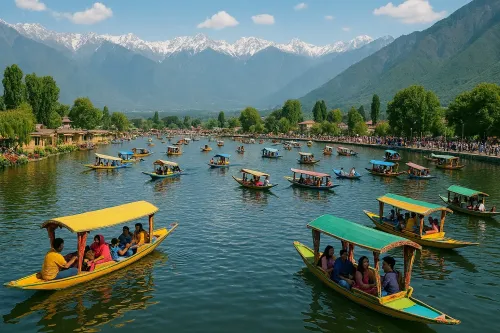
'Look at its women building, look at its youth dreaming, look at its community rebuilding. Do not just reduce it to our geopolitical narrative. J&K is a living society with people, dreams and aspirations. Its story should not be written for us. It should be written by us,' she said.
Significance at the UNHRC
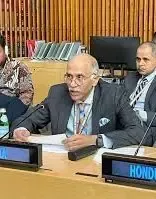
The 63rd session of the UNHRC is one of the principal international forums at which the status of Jammu and Kashmir is periodically raised, often with competing claims from India and Pakistan. Nazir's presentation represents a growing effort by voices from within the region to assert a development-centred, people-first framing at such multilateral spaces — a departure from the predominantly security or sovereignty discourse that has long dominated international conversations about Kashmir. This comes amid broader diplomatic efforts by India to highlight normalisation and post-reorganisation development in the Union Territory.
Nazir's core message — that the aspirations of ordinary Kashmiris, particularly women and young people, must anchor international discussion about the region — is likely to resonate with delegations focused on human-rights and development outcomes over geopolitical positioning.
Point of View
Dominated by state actors and their proxies. A civil-society voice from within the region — centring development, women's agency and anti-disinformation — represents a deliberate counter-narrative strategy. Whether it shifts the conversation depends on how consistently such voices are amplified, and whether Indian diplomacy institutionalises this approach rather than treating it as a one-off. The more substantive question is access: how regularly do ordinary Kashmiris get credentialled, unmediated platforms at Geneva, and what institutional support ensures that continues?
NationPress
24 Sept 2026
Frequently Asked Questions
Who is Anika Nazir and why did she address the UNHRC?
Anika Nazir is a community development professional and researcher from Jammu and Kashmir who delivered a video presentation at the UNHRC's 63rd session in Geneva on 24 September 2026. She called on the council and global platforms to view J&K through the lived realities of its people rather than through a predominantly geopolitical or conflict-driven lens.
What is the UNHRC 63rd session and when is it held?
The 63rd session of the United Nations Human Rights Council is taking place at the Palais des Nations in Geneva from 7 September to 7 October 2026. It is one of the principal multilateral forums where human rights situations across the world, including Jammu and Kashmir, are reviewed and discussed.
What did Anika Nazir say about Pakistan at the UNHRC?
Nazir specifically cited what she described as Pakistan's information warfare as a source of misinformation and disinformation about Jammu and Kashmir. She urged global platforms to rely on verified facts and ground-level realities rather than externally shaped narratives about the region.
What did Nazir say about women in Jammu and Kashmir?
Nazir argued that Kashmiri women should not be seen exclusively through experiences of conflict and adversity. She highlighted their growing participation as entrepreneurs, educators, professionals and community leaders, stating that true empowerment means building societies willing to act when women speak.
Why does Jammu and Kashmir feature at the UNHRC?
The status of Jammu and Kashmir has been a recurring point of contention at the UNHRC, with India and Pakistan presenting opposing narratives on human rights, sovereignty and development in the region. Civil-society interventions like Nazir's are aimed at introducing ground-level, people-centred perspectives into what has historically been a state-actor-dominated debate.