Khamenei's Death in US-Israeli Strike: A Turning Point for Iran's Theocracy as Regional Tensions Rise
Synopsis
The assassination of Iran's Supreme Leader, Ayatollah Ali Khamenei, marks a critical juncture in the country's theocratic governance. This event has triggered retaliatory strikes across the Middle East, raising concerns about escalating tensions and the future leadership of Iran.
Key Takeaways
The assassination of Ayatollah Ali Khamenei represents a significant shift in Iran's theocratic leadership.
The US and Israel's coordinated attack has triggered retaliatory actions from Iran across the region.
Global leaders are urging for immediate de-escalation to prevent further conflict.
The future leadership of Iran remains uncertain amidst the ongoing tensions.
Reports indicate significant civilian casualties resulting from the strikes.
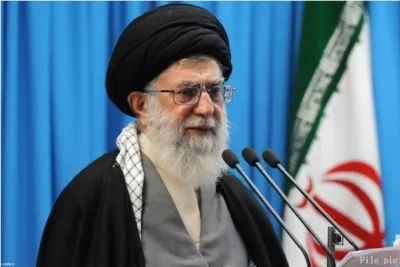
New York, March 1 (NationPress) The Supreme Leader of Iran, Ayatollah Ali Khamenei, has been reportedly killed in a significant strike orchestrated by the United States and Israel, signifying a pivotal moment in the 46-year reign of Shia theocracy in the country. This act has ignited widespread retaliatory actions across the Middle East.
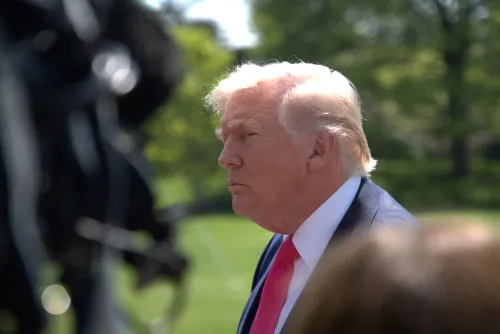
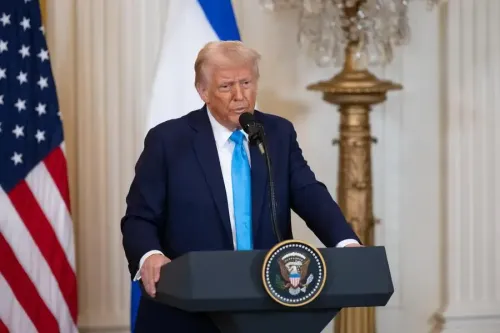
On Saturday, US President Donald Trump confirmed the death of the 86-year-old cleric, which marks the end of his 36-year authoritarian rule.
Trump stated on Truth Social, "He could not evade our intelligence and sophisticated tracking systems, and in collaboration with Israel, there was nothing he or the other leaders, also reportedly killed, could do."
As of Sunday evening, Iran has yet to confirm Khamenei's death, leaving the nation's future uncertain amidst the absence of a clear successor from its civilian or military ranks.
The fate of other leaders, both civilian and military, remains unclear.
French President Emmanuel Macron remarked, "The ongoing escalation is perilous for all. It must cease," resonating with many global leaders.
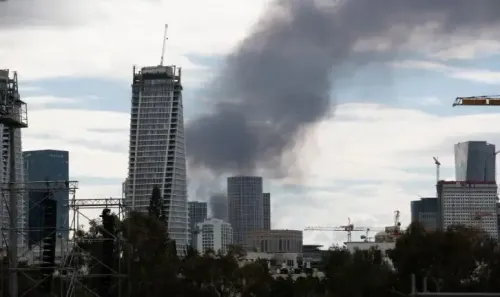
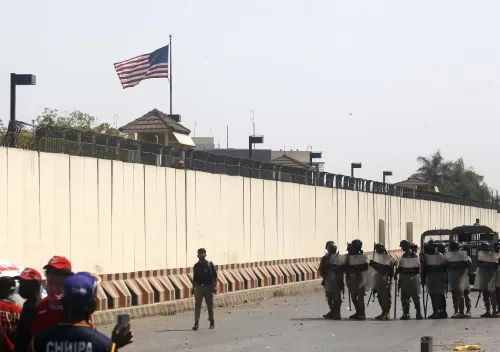
Following the US-Israel assault, Tehran responded with a barrage of drones and missiles aimed at Israel, Qatar, Bahrain, the UAE, Jordan, and Kuwait.
Reports from Iran’s news agency indicate that the Islamic Revolution Guards Corps (IRGC) claimed responsibility for attacking a supply vessel.
Antonio Guterres, the United Nations Secretary-General, reported that approximately 20 cities in Iran, including Tehran, Isfahan, Qom, Shahriar, and Tabriz, were targeted.
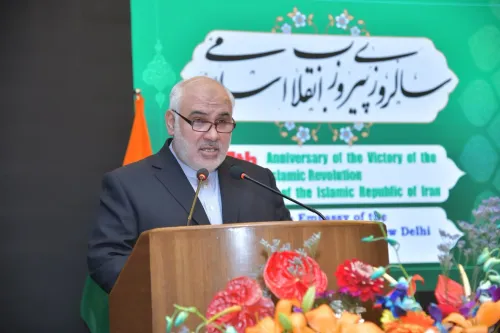
With calls for de-escalation rising globally, India's External Affairs Minister, S Jaishankar, who maintains communication channels with both sides, engaged in discussions with Iranian Foreign Minister Seyed Abbas Araghchi and Israeli Foreign Minister Gideon Sa'ar.
Jaishankar expressed India's deep concerns regarding the recent developments in Iran and the broader region.
Reports suggest that the Iranian port city of Chabahar faced attacks, with uncertainty regarding whether the port, built in collaboration with India, was among the targets.
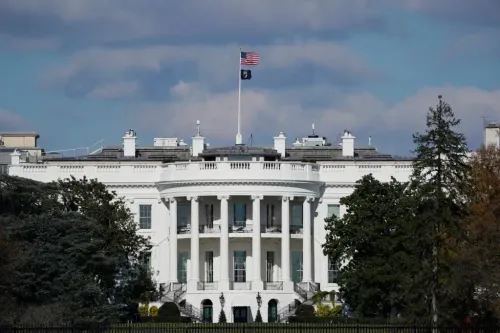
Trump initiated the assault shortly after midnight in Washington, which coincided with daytime in Iran, just two days after inconclusive negotiations in Geneva mediated by Oman.
Trump publicly expressed dissatisfaction over the negotiations, which did not yield a complete cessation of uranium enrichment by Iran.
Following an episode of public unrest last month, triggered by inflation and violently suppressed by the government, the attacks signal a significant escalation in US-Iran relations. Trump’s strategy has shifted from seeking to halt Iran’s nuclear ambitions to pursuing regime change, aiming to dismantle its religio-political and military leadership.
In a video message announcing the offensive, Trump stated, “When we are done, take control of your government. It will be yours to reclaim. This may be your only opportunity for generations.”
“America stands with you, providing overwhelming strength and devastating force,” he assured.
Some reports on social media indicated that certain Iranians celebrated Khamenei's death; however, there was no sign of a large-scale uprising.
Trump noted, “We are hearing that many of their IRGC, military, and other security forces no longer wish to fight and are seeking protection from us.”
Reza Pahlavi, the son of the deposed Shah of Iran, expressed a desire to collaborate in restoring and rebuilding Iran. Nonetheless, he appears to lack support from the US and a significant following in Iran, raising questions about the future trajectory of the nation.
The casualty figures resulting from the attacks remain unclear. The IRNA news agency reported that an Israeli missile strike on a girls' school in Minab resulted in the deaths of 57 students and injuries to 60 others.
Guterres indicated that the reported death toll in Iran stands at 85, including two fatalities at a school in Tehran. Additionally, Pakistan reported that one of its citizens was killed in the UAE.
Britain may also find itself entangled in this conflict, as Prime Minister Keir Starmer stated, “Our forces are active, and British planes are currently in the skies as part of coordinated regional defensive operations to protect our citizens, interests, and allies.”
Many leaders have criticized both the US-Israel strike and Iran's extensive retaliatory measures. Guterres condemned the military escalation in the Middle East, asserting that the US-Israel offensive against Iran and Tehran's counteractions across the region threaten international peace and security. Meanwhile, China and Russia have clearly denounced the actions taken.
Point of View
It is essential to provide an unbiased and comprehensive analysis of this unfolding situation. The assassination of a prominent leader like Khamenei raises critical questions about Iran's future and the potential for increased conflict in the region. Our focus remains on delivering factual information while allowing readers to form their own opinions based on the events that transpire.
NationPress
28 Sept 2026
Frequently Asked Questions
What led to the attack on Khamenei?
The attack was orchestrated by the US and Israel, marking a significant escalation in their long-standing conflict with Iran, particularly following failed negotiations over Iran's nuclear program.
How has Iran responded to Khamenei's death?
Iran has launched retaliatory strikes against multiple countries in the region, including Israel and its allies, leading to heightened tensions.
What is the current status of Iran's leadership?
As of now, Iran has not confirmed Khamenei's death, and there is uncertainty regarding who will lead the nation moving forward.
What are the potential global implications of this event?
This incident could lead to increased instability in the Middle East, affecting global security and geopolitical dynamics.
How have world leaders reacted to the escalating situation?
Various leaders, including Emmanuel Macron and Antonio Guterres, have called for de-escalation, emphasizing the need to prevent further violence.