Iranian Envoy Reports Hundreds Killed in US-Israel Assaults; Leaders Safe
Synopsis
In a shocking revelation, the Iranian Ambassador to India claims that hundreds of Iranian civilians have been killed in recent US-Israel attacks, while assuring the safety of Iran's Supreme Leader and President. The country emphasizes its commitment to self-defense amidst rising regional tensions.
Key Takeaways
Hundreds of Iranian civilians reportedly killed in US-Israel attacks.
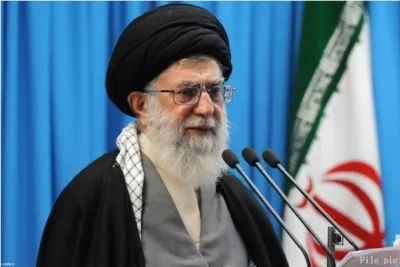
Iran's leadership, including Ayatollah Khamenei and President Pezeshkian, are safe.
Iran asserts its right to self-defense and will respond to aggression.
Safety advisories issued for foreign nationals in Iran, including Indian citizens.
Iran aims to prevent further escalation while maintaining regional security.
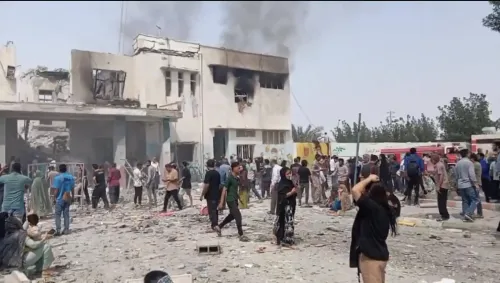
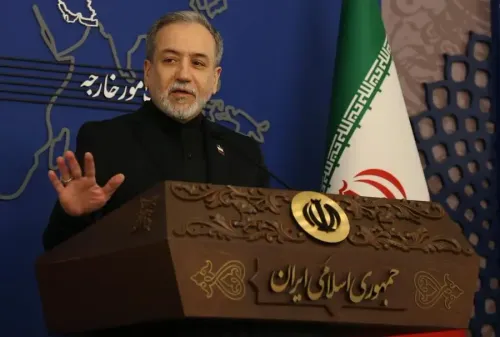
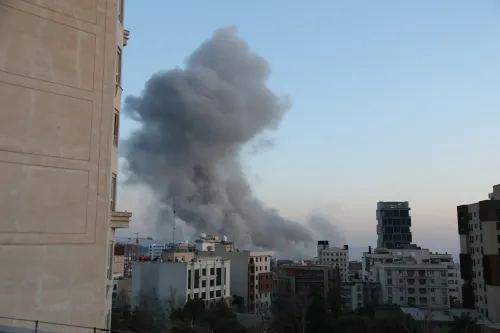
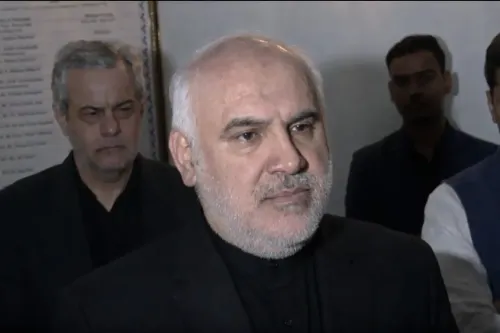
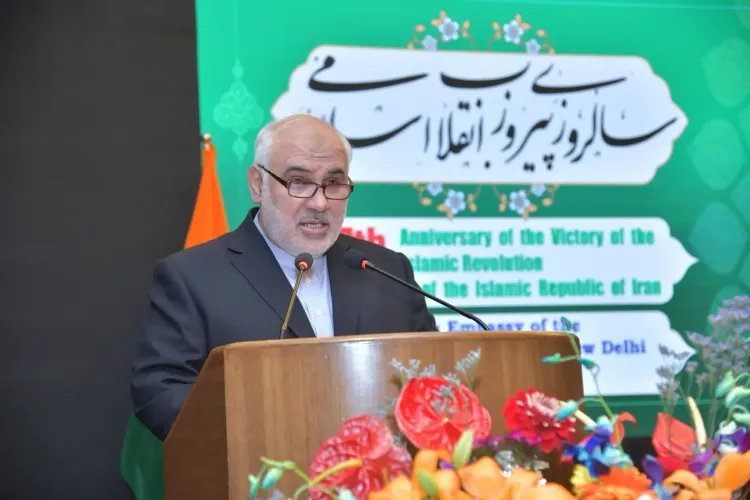
New Delhi, Feb 28 (NationPress) The Iranian Ambassador to India, Mohammad Fathali, has reported that hundreds of innocent Iranian civilians have tragically lost their lives due to the extensive attacks carried out by the United States and Israel on Saturday. He assured that Supreme Leader Ayatollah Ali Khamenei and President Masoud Pezeshkian are safe and in good health.
In a conversation with IANS, Ambassador Fathali mentioned that Iranian authorities have issued essential safety advisories for all foreign nationals, including Indian students and professionals who find themselves in the conflict zone.
Key Excerpts:
IANS: Following US President Donald Trump’s announcement of “large-scale combat operations” on Saturday, does Iran see this as the onset of an all-out war, or is it considering a strategy of limited retaliation?
Mohammad Fathali: What has transpired today is a blatant act of aggression and a significant infringement on Iran’s national sovereignty and territorial integrity. The recent assaults have resulted in the martyrdom of hundreds of innocent Iranian citizens. Notably, over 50 schoolgirls tragically perished in an attack at a school in Minab. Iran has neither initiated nor desired war. The Islamic Republic of Iran has consistently reiterated its stance against escalating conflict in the region. Nevertheless, it will respond firmly and decisively to any acts of aggression. In line with its inherent right to self-defense under Article 51 of the United Nations Charter, Iran will undertake appropriate actions. The nature and level of Iran’s response will reflect the actions of the opposing party. Should aggression persist, the response will also be proportionate and resolute. Those who instigated this situation bear full responsibility for any further escalation.
IANS: Reports indicate that the Supreme Leader's office and the Presidential complex in Tehran were targeted. Can you confirm the safety of the nation's leadership?
Mohammad Fathali: Official statements from security authorities in the Islamic Republic of Iran confirm that the Supreme Leader and President are in excellent health and have not been harmed. However, it is crucial to note that Ayatollah Khamenei is not just a political leader; he is a religious figure for Shiites globally and an inspiring leader for millions of freedom-loving individuals. His influence is deeply rooted in religious beliefs and a profound connection with the people. Any military action or threat against him would lead to severe, far-reaching consequences for the aggressor nations of the United States and Israel. Direct accountability for any reckless action would rest with them, and the outcomes would be neither predictable nor manageable.
IANS: With Iran having conducted retaliatory strikes against Israel, is Tehran also pursuing backchannel diplomacy to avert further escalation?
Mohammad Fathali: The truth is that in recent months, the Islamic Republic of Iran has been engaged in discussions and negotiations with the United States government. We have demonstrated our commitment to diplomacy and our willingness to settle differences through political means. However, it was the United States that showed a lack of commitment to dialogue and diplomatic responsibilities, opting instead for confrontation and military engagement. Currently, no backchannel diplomacy is taking place. When the opposing side chooses the language of warfare, the response will be delivered in that same arena. Iran will retaliate decisively against the Israeli regime—the response will be severe and transformative, altering the security dynamics of the region. This response will be within the framework of legitimate self-defense and aimed at restoring deterrence.
IANS: What specific actions has Iran implemented to safeguard Indian students and professionals currently in the country?
Mohammad Fathali: At this moment, there are no official reports of harm to Indian students or citizens in Iran. We sincerely hope they remain safe and unharmed. Iranian authorities have issued necessary safety advisories, and all foreign nationals—including Indian students and professionals—are expected to follow these guidelines. Should evacuation or departure become essential, the Islamic Republic of Iran is fully prepared to coordinate with the Government of India to ensure the safety and well-being of its citizens.
IANS: Several reports indicate explosions in Persian Gulf nations; does Iran plan to involve third countries in this conflict?
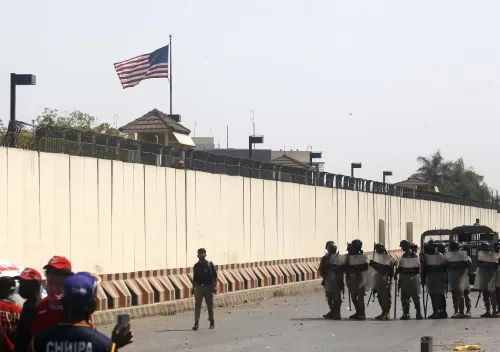
Mohammad Fathali: No, the Islamic Republic of Iran has not attacked any regional countries. We have consistently stated that our target is not the nations in the region. Our message has been clear: if the territory of the Islamic Republic of Iran is attacked by the United States, all US military bases in the region will be considered legitimate targets in self-defense. Regional countries must not permit their territories or airspace to be utilized for attacks against Iran. This is not only a security necessity but also a responsibility towards regional stability. Under international law and Article 51 of the United Nations Charter, Iran reserves its right to self-defense and will exercise this right as needed. Our goal is not to escalate the war but to prevent further aggression and restore deterrence. The responsibility for any escalation lies with those who initiated this act of aggression.
Point of View
It's essential to present an unbiased narrative surrounding the recent escalation in conflict between Iran and the United States-Israel coalition. The Iranian Ambassador's statements highlight the grave consequences of military actions on civilian lives and the importance of respecting national sovereignty. This situation demands global attention and a call for diplomatic resolution to prevent further escalations.
NationPress
19 Sept 2026
Frequently Asked Questions
What recent events have led to the deaths of hundreds of Iranians?
The Iranian Ambassador has reported that hundreds of innocent citizens were killed during large-scale attacks launched by the United States and Israel.
Are Iran's leaders safe amidst the conflict?
Yes, both Supreme Leader Ayatollah Ali Khamenei and President Masoud Pezeshkian are reported to be unharmed and in good health.
How is Iran ensuring the safety of foreign nationals?
Iranian authorities have issued safety advisories and guidelines for all foreign nationals, including Indian students and professionals.
Is Iran considering backchannel diplomacy to resolve the conflict?
Currently, there is no backchannel diplomacy; Iran asserts its right to respond firmly to acts of aggression.
What is Iran's stance on regional stability?
Iran emphasizes that it does not seek war and aims to prevent further aggression while maintaining regional stability.