Kim Jong-un sends condolences over Nepal-China Himalayan floods killing 500+
Synopsis
North Korea's Kim Jong-un sent rare dual condolence messages to both Xi Jinping and Nepal's president after Himalayan floods killed 500+ and left 1,500 missing — but the bigger story is Nepal's fresh warning of a second flood triggered by a Tibetan lake outburst on the same Bhote Koshi River that was devastated just days earlier.
Key Takeaways
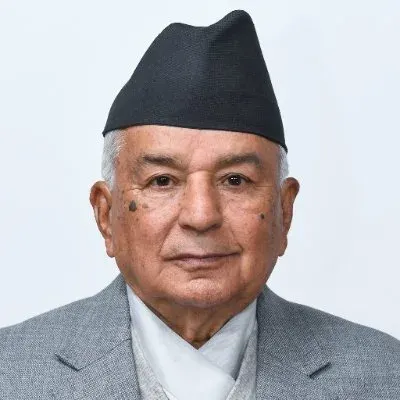
Kim Jong-un sent condolence messages to Xi Jinping and Nepali President Ram Chandra Poudel on 28 August over the Himalayan floods.
More than 500 people were killed and over 1,500 remain missing across China and Nepal as of Friday.
Flooding and landslides struck the Himalayan region on 26 August .
Nepal's NDRRMA issued a fresh flood warning after a reported lake outburst in China's Tibetan region threatened the Bhote Koshi River in Rasuwa .
Nepal Police separately urged rescue personnel and civilians near the Bhote Koshi and Trishuli rivers to move to safety immediately.
North Korean leader Kim Jong-un on Friday, 28 August dispatched separate messages of condolence to Chinese President Xi Jinping and Nepali President Ram Chandra Poudel over the catastrophic flooding and landslides that have killed more than 500 people and left over 1,500 others missing across the Himalayan region bordering China and Nepal. The messages were confirmed by the Korean Central News Agency (KCNA), North Korea's state media outlet.
Kim's Messages to Beijing and Kathmandu
In his message to Xi Jinping, Kim conveyed his 'deepest condolences' to the Chinese leader, the ruling party and government, the Chinese people, and the bereaved families of victims. He expressed hope that the disaster's aftermath would be resolved swiftly and that residents in affected areas would 'regain peace and stability,' according to the KCNA.
In a separate dispatch, KCNA reported that Kim extended his 'sincerest condolence and sympathy' to the Nepali government, its people, victims, and bereaved families over the casualties and the large number of persons still unaccounted for.
Scale of the Disaster
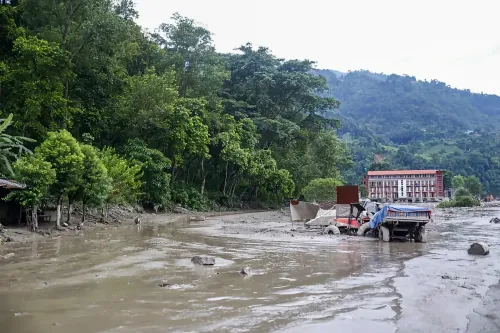
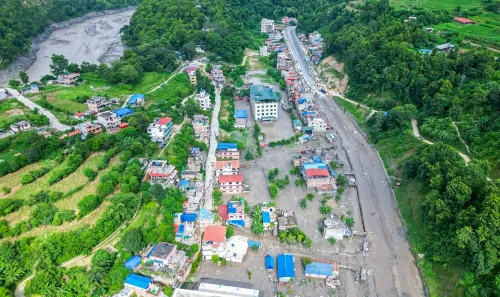
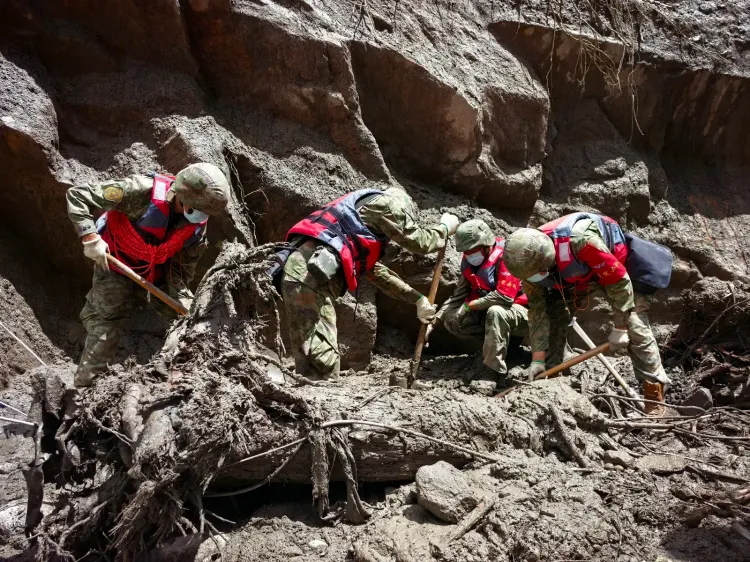
The flooding and landslides struck the Himalayan region on Wednesday, 26 August, triggering one of the deadliest natural disasters in the area in recent years. As of Friday, more than 500 people had been confirmed dead and over 1,500 remained missing across China and Nepal, according to foreign media reports. The sheer scale of missing persons suggests the final death toll could rise significantly as rescue operations continue in remote, difficult terrain.
Fresh Flood Warning Issued in Nepal
Even as search and rescue operations were under way, Nepali authorities issued a fresh alert on Friday warning of a possible second wave of flooding. The National Disaster Risk Reduction and Management Authority (NDRRMA) confirmed it had received reports of a lake outburst in the Tibetan region of China that could send a new surge of water into Nepal.
'Information has been received that the flow of water mixed with debris and mud has increased again on Friday in the same area of the Bhote Koshi River in Rasuwa, where a major flood occurred on August 26,' the NDRRMA said in an official notice.
The authority strongly urged all rescue and relief personnel along the banks of the Bhote Koshi and Trishuli rivers, as well as civilians in high-risk zones, to 'exercise the highest level of caution and immediately move to a safe location if any danger is observed.'
Nepal Police Also on Alert
Nepal Police separately confirmed receipt of the lake outburst report from the Tibetan region and issued its own advisory urging both the public and those involved in active rescue operations to remain on high alert. The dual warnings from civilian disaster authorities and the police signal that authorities regard the secondary flood risk as credible and imminent.
What Comes Next
Rescue operations remain ongoing across affected districts, with the threat of further flooding complicating relief logistics. The international community has been watching the disaster closely; Kim's condolence messages — while largely diplomatic in nature — reflect the regional significance of the catastrophe. How quickly China and Nepal can clear debris, restore river flow normalcy, and account for the missing will determine the disaster's final human cost.
Point of View
But the humanitarian numbers here command attention on their own terms. With over 500 confirmed dead and 1,500 missing — and a credible secondary flood threat from a Tibetan lake outburst still active — the Himalayan disaster is far from over. What is underreported is the compounding risk: rescue teams are operating on the same river banks now flagged for a second surge, making the NDRRMA and Nepal Police warnings not bureaucratic caution but a live operational threat. The final toll will depend heavily on how fast China and Nepal can share real-time hydrological data across the border.
NationPress
12 Oct 2026
Frequently Asked Questions
Why did Kim Jong-un send condolence messages over the Nepal and China floods?
Kim Jong-un sent separate messages of condolence to Chinese President Xi Jinping and Nepali President Ram Chandra Poudel on 28 August after catastrophic flooding and landslides in the Himalayan region killed more than 500 people and left over 1,500 missing. The messages were confirmed by North Korea's state media outlet, the Korean Central News Agency (KCNA).
How many people have died in the Himalayan floods?
More than 500 people were killed and over 1,500 others remained missing across China and Nepal as of Friday, 28 August, according to foreign media reports. The flooding and landslides struck the Himalayan region bordering the two countries on 26 August.
What is the fresh flood warning issued in Nepal about?
Nepal's National Disaster Risk Reduction and Management Authority (NDRRMA) warned on Friday of a potential second flood after receiving reports of a lake outburst in China's Tibetan region. The outburst could send a new surge of water and debris down the Bhote Koshi River in Rasuwa, the same area that was severely hit on 26 August.
Which rivers in Nepal are at risk of a second flood?
The NDRRMA and Nepal Police have flagged the Bhote Koshi River in Rasuwa and the Trishuli River as high-risk zones. Rescue personnel and civilians in those areas have been urged to move to safe locations immediately if any danger is observed.
What did Kim Jong-un say in his condolence messages?
In his message to Xi Jinping, Kim expressed his 'deepest condolences' and hoped that affected residents would 'regain peace and stability' as soon as possible. To Nepali President Ram Chandra Poudel, Kim conveyed his 'sincerest condolence and sympathy' to the government, people, victims, and bereaved families, according to KCNA.