Rajnath Singh visits Nepal Embassy, condolences over floods that killed 903
Synopsis
With Nepal's flash flood death toll crossing 903 — including foreign nationals and Indian citizens — Defence Minister Rajnath Singh personally signed the condolence book at the Nepali Embassy in New Delhi. India has already sent 68.5 tonnes of relief, tunnel rescue teams, and forensic experts, signalling the depth of the bilateral response to one of Nepal's deadliest recent disasters.
Key Takeaways
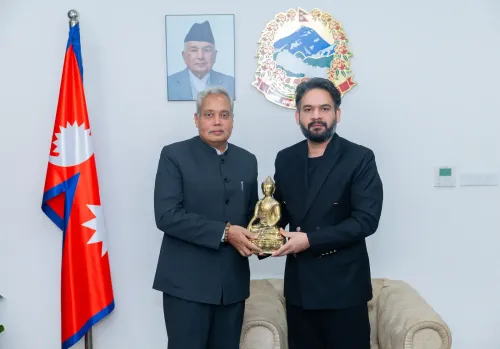
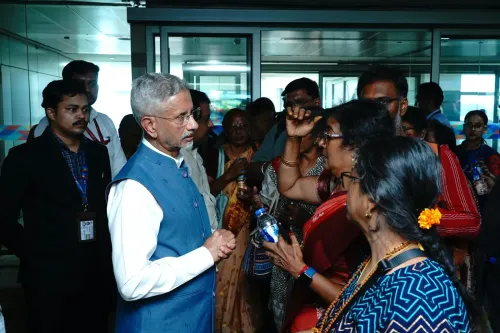
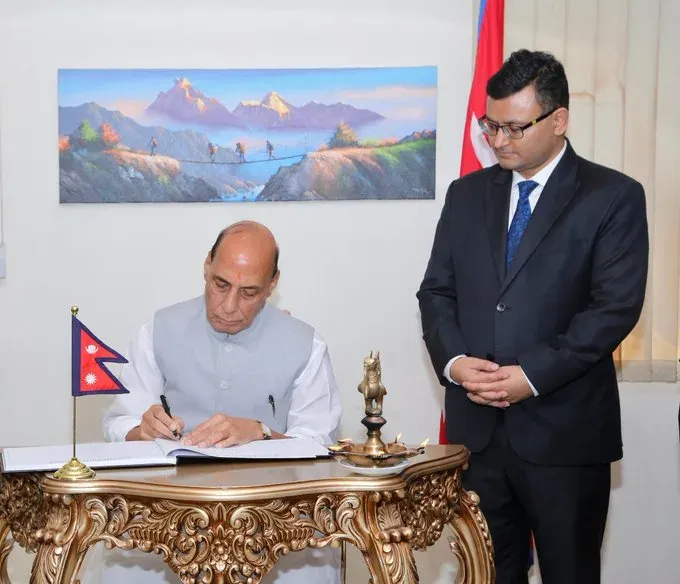
Defence Minister Rajnath Singh visited the Embassy of Nepal in New Delhi on 31 August 2026 to sign the condolence book.
Nepal flash floods, which originated in Tibet on 26 August 2026 , have killed at least 903 people , according to the NDRRMA .
Chitwan district recorded the highest single-district toll with 272 bodies recovered.
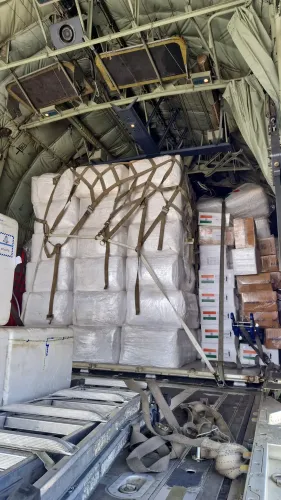
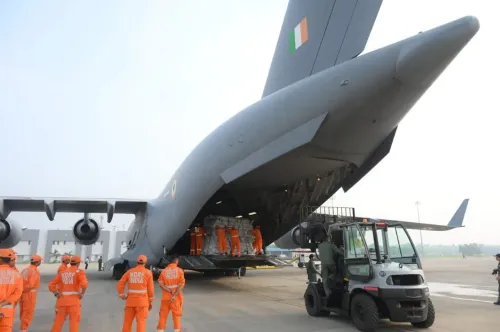
India has provided over 68.5 tonnes of emergency relief, specialised tunnel rescue teams, and forensic experts.
The floods swept through the transboundary Bhote Koshi River , affecting both Nepali citizens and foreign nationals including Indians .
Defence Minister Rajnath Singh on Monday, 31 August 2026, visited the Embassy of Nepal in New Delhi and signed the condolence book, conveying India's solidarity with Nepal following flash floods on 26 August 2026 that have killed at least 903 people and caused widespread destruction across the Himalayan nation. The disaster has also claimed the lives of foreign nationals, including Indian citizens.
What Rajnath Singh Said
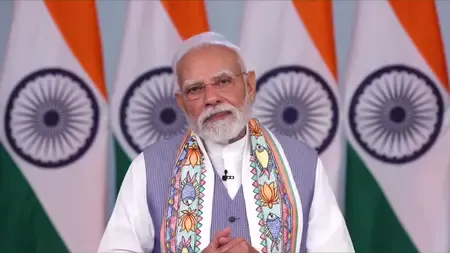
In a post on X, Singh expressed India's deepest sympathies. “On behalf of the Government and people of India, I extend my deepest condolences to the people of Nepal and their Government, on the loss of precious lives and large-scale devastation caused by the flash flood on 26 August 2026,” he wrote.
Singh also invoked the spirit of bilateral friendship: “As a close friend and partner, and ‘Sukh Dukh Ke Saathi’, India has always stood by Nepal. In this trying time also, we stand shoulder to shoulder with our Nepali brothers and sisters and are committed to support Nepal’s efforts for search, rescue and rehabilitation.” He added that India hopes for the “speedy recovery of those who were injured.”
Scale of the Devastation
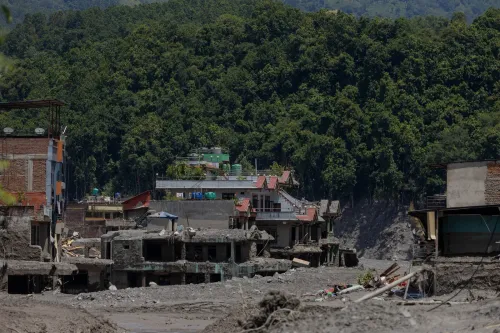
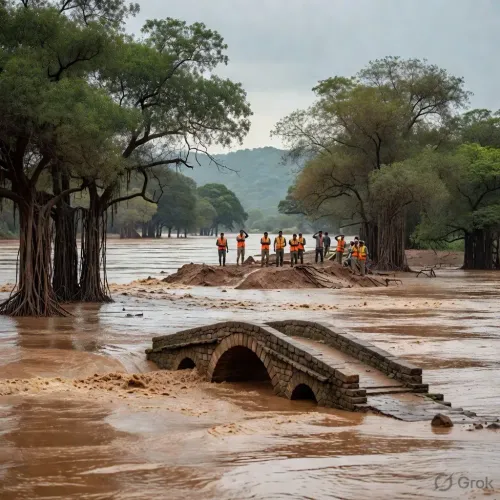
According to the National Disaster Risk Reduction and Management Authority (NDRRMA), the death toll has risen to 903, with bodies continuing to be recovered from riverbanks across multiple districts. The worst-affected area is the southern Chitwan district, where 272 bodies have been recovered — the highest count in any single district — leaving local authorities struggling to manage the volume.
The floods originated in the Tibetan region of China on 26 August, sweeping through the transboundary Bhote Koshi River and into Nepal's Rasuwa district before spreading destruction downstream.
India's Relief Effort
India has dispatched over 68.5 tonnes of emergency relief materials to Nepal, along with specialised tunnel rescue teams and forensic experts. This comes as part of New Delhi's broader commitment to stand with Kathmandu in the immediate aftermath of one of Nepal's deadliest flood disasters in recent memory.
Notably, this is not the first time the Bhote Koshi corridor has triggered cross-border disaster — the river has historically been a flashpoint for glacial lake outburst floods, underscoring the structural vulnerability of Nepal's northern river systems to upstream events in Tibet.
What Comes Next
Search, rescue, and rehabilitation operations are ongoing across affected districts. India's forensic experts are reportedly assisting Nepali authorities in identifying victims, including foreign nationals. The full scale of infrastructure damage — roads, bridges, and settlements — is still being assessed. With the monsoon season continuing, authorities on both sides of the border remain on alert for further flooding.
Point of View
It is positioning itself as Nepal's primary partner in recovery. The 68.5-tonne relief package and deployment of forensic experts go beyond symbolic gestures. Yet the deeper story is structural: the Bhote Koshi corridor has repeatedly proven that upstream events in Tibet can cascade into Nepal with little warning. India's long-term value to Nepal lies not just in post-disaster aid but in whether it can help build early-warning infrastructure along these transboundary rivers — something bilateral frameworks have so far not delivered at scale.
NationPress
15 Oct 2026
Frequently Asked Questions
Why did Rajnath Singh visit the Nepal Embassy on 31 August 2026?
Defence Minister Rajnath Singh visited the Embassy of Nepal in New Delhi on 31 August 2026 to sign the condolence book and convey India's solidarity following devastating flash floods that killed at least 903 people in Nepal. He expressed condolences on behalf of the Indian government and people.
What is the current death toll from the Nepal flash floods?
According to the National Disaster Risk Reduction and Management Authority (NDRRMA), the death toll from the Nepal flash floods has risen to 903 as of 31 August 2026. The southern Chitwan district alone accounts for 272 of those deaths, the highest in any single district.
What relief has India sent to Nepal after the floods?
India has provided over 68.5 tonnes of emergency relief materials to Nepal, along with specialised tunnel rescue teams and forensic experts to assist with search, rescue, and victim identification operations.
Where did the Nepal flash floods originate?
The devastating floods originated in the Tibetan region of China on 26 August 2026 and swept through the transboundary Bhote Koshi River into Nepal's Rasuwa district, causing widespread destruction across multiple districts.
Were any Indian nationals affected by the Nepal floods?
Yes, the flash floods affected not only Nepali citizens but also a number of foreign nationals, including Indian nationals, according to Defence Minister Rajnath Singh's statement. India's forensic experts are reportedly assisting in identifying victims.