Dalai Lama mourns Nepal-Tibet flood deaths, 162 bodies recovered
Synopsis
The Bhote Koshi flood has claimed at least 162 confirmed lives, left 133 Indians missing, and cut off hundreds of tourists and dozens of security personnel — making it one of the deadliest transboundary flood events in the Himalayas in recent memory. The Dalai Lama's pointed reference to climate change as a possible 'deeper underlying cause' adds a rare spiritual-political dimension to the disaster narrative.
Key Takeaways
The Dalai Lama on 27 August issued a condolence statement over floods in Rasuwa, Nepal and Kyirong, Tibet .
162 bodies have been recovered from the Bhote Koshi and Trishuli river systems as of Thursday morning, according to Nepal Police .
133 Indians , 391 foreign tourists , and 93 Nepali tourists remain out of contact.
44 Nepal Army , 28 Nepal Police , and 13 APF personnel deployed in affected areas are also unaccounted for.
The Dalai Lama cited the recurring nature of such disasters as possible 'symptoms of a deeper underlying cause — whether climate change or other factors.'
Tibetan spiritual leader the Dalai Lama on Thursday, 27 August expressed deep sorrow over the catastrophic floods that struck the Rasuwa region of Nepal and Kyirong in Tibet, causing significant loss of life and widespread structural damage. The Nobel Peace Laureate issued a formal statement from Dharamsala, calling for prayers for the victims and urging authorities to take preventive measures against future disasters.
The Dalai Lama's Statement
'I am saddened to learn of the devastating floods in the Rasuwa region of Nepal and Kyirong in Tibet, resulting in loss of life and heavy structural damage. I pray for all those who have lost their lives, and offer my sympathy and heartfelt condolences to the bereaved and to all those affected by this tragedy,' the Dalai Lama said.
He noted that the region has experienced calamities in the past, describing the recurring disasters as 'symptoms of a deeper underlying cause — whether climate change or other factors.' He expressed hope that 'appropriate follow-up measures will be taken, wherever possible, to help ensure that such disasters do not recur.'
Scale of Destruction Along the Bhote Koshi
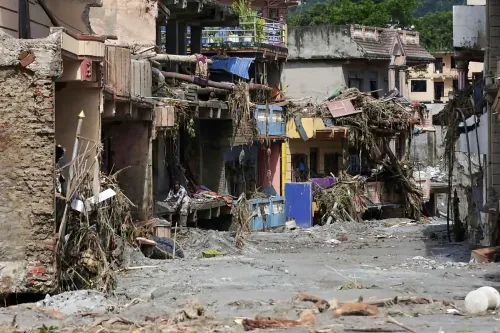
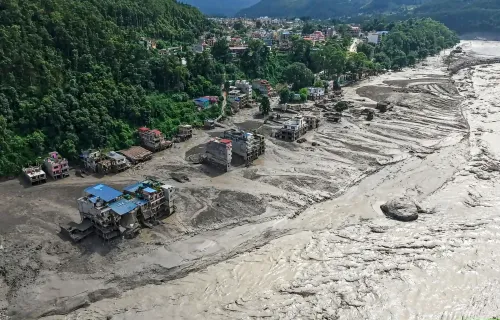
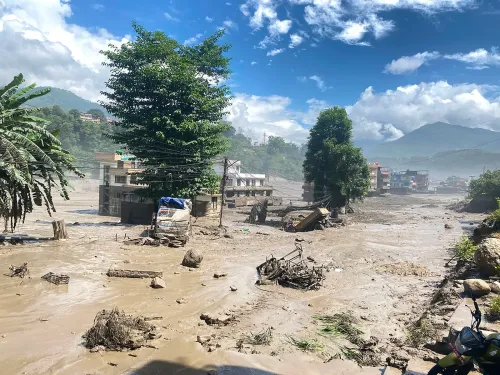
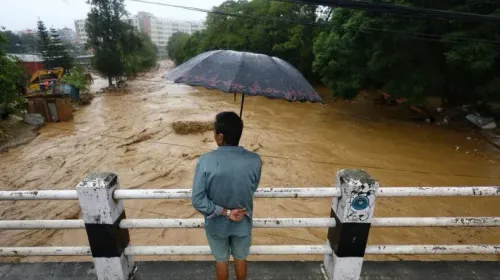
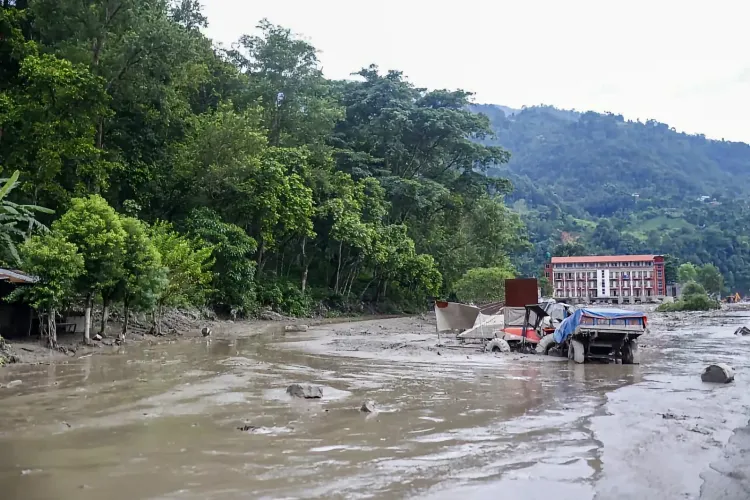
The massive flood originated in the Tibetan region and swept through the transboundary Bhote Koshi River, carving a trail of destruction across multiple districts of Nepal. As of Thursday morning, Nepal Police confirmed that the bodies of 162 people swept away by the flash flood had been recovered.
Remains were retrieved from riverbanks across several downstream districts along the Bhote Koshi and Trishuli river systems, including Rasuwa, Nuwakot, Dhading, Chitwan, Gorkha, Tanahu, Nawalparasi (East), and Nawalparasi West. The highest number of recoveries were reported in Chitwan, in Nepal's southern plains.
Hundreds Out of Contact, Including 133 Indians
The scale of the humanitarian crisis deepened as the Nepali government confirmed that hundreds of people — including foreign nationals — remained out of contact. In a statement issued late Wednesday evening, the Prime Minister's Office said that 44 Nepal Army personnel, 28 Nepal Police personnel, and 13 Armed Police Force (APF) personnel deployed in affected areas were unaccounted for.
Additionally, 391 foreign tourists and 93 Nepali tourists remained out of contact following the disaster. Officials also confirmed that 133 Indians are among the missing — a figure that has drawn particular concern in New Delhi.
A Pattern of Transboundary Disaster
This is not the first time the Bhote Koshi has caused cross-border devastation. The river, which originates on the Tibetan Plateau and flows into Nepal, has historically been prone to glacial lake outburst floods (GLOFs) — events that scientists increasingly link to accelerating glacial melt driven by climate change. The Dalai Lama's reference to a 'deeper underlying cause' aligns with longstanding warnings from climate researchers about the Himalayan region's growing vulnerability.
Search and rescue operations are ongoing across affected districts, with the full death toll expected to rise as teams reach more remote areas.
Point of View
' he is nudging the conversation beyond immediate relief toward structural accountability — something governments in the region have been slow to act on. With 133 Indians missing, New Delhi will face pressure to respond bilaterally and consularly, yet India's broader engagement on Himalayan climate risk remains limited. The recurring nature of these disasters demands a regional early-warning framework; condolences alone will not prevent the next one.
NationPress
11 Oct 2026
Frequently Asked Questions
What did the Dalai Lama say about the Nepal and Tibet floods?
The Dalai Lama expressed sadness over the devastating floods in Nepal's Rasuwa region and Tibet's Kyirong, offering condolences to the bereaved and calling for prayers for those who lost their lives. He also described the recurring disasters as possible 'symptoms of a deeper underlying cause — whether climate change or other factors.'
How many people have died in the Nepal Bhote Koshi flood?
As of Thursday morning, 162 bodies had been recovered from the Bhote Koshi and Trishuli river systems, according to Nepal Police. The death toll is expected to rise as search operations continue in remote areas.
Are any Indians missing in the Nepal flood?
Yes, officials have confirmed that 133 Indians are among those missing following the flash flood. Hundreds of other foreign and Nepali tourists also remain out of contact.
Which areas of Nepal were worst affected by the flood?
The flood impacted multiple districts along the Bhote Koshi and Trishuli river systems, including Rasuwa, Nuwakot, Dhading, Chitwan, Gorkha, Tanahu, and both Nawalparasi districts. Chitwan, in Nepal's southern plains, recorded the highest number of body recoveries.
What caused the Bhote Koshi River flood?
The massive flood originated in the Tibetan region and swept downstream through the transboundary Bhote Koshi River into Nepal. The Dalai Lama and scientists have pointed to climate change and glacial factors as possible underlying causes of such recurring Himalayan disasters.