Governor's rule in Khyber Pakhtunkhwa escalates Pakistan's civilian-military crisis
Synopsis
Pakistan's federal government has removed PTI's elected government in Khyber Pakhtunkhwa under governor's rule, triggering protests that left a 13-year-old dead. Political scientists say this is the sharpest escalation yet in the military's campaign to dismantle civilian opposition — and the crackdown on healthcare access for injured protesters has added a deeply troubling human rights dimension.
Key Takeaways
Pakistan's federal government imposed governor's rule and emergency in Khyber Pakhtunkhwa , removing the PTI -led elected government.
At least one person — Habeel Khan, 13 — was killed and more than a dozen were injured when police opened fire on protesters in Bara .
Georgetown University political scientist Aqil Shah called the move 'a significant escalation' in Pakistan's civilian-military struggle.
The HRCP reported police raids in Khyber , Swat , and Peshawar , alongside curfew and military deployments.
Injured protesters reportedly could not access medical care in Bara due to fear of police arrest.
PTI spokesperson Zulfikar Bukhari labelled the move a 'coup disguised as emergency' on social media platform X.
Pakistan's federal government has imposed governor's rule and a state of emergency in Khyber Pakhtunkhwa, removing the Pakistan Tehreek-e-Insaf (PTI)-led elected government and triggering a wave of protests, arrests, and violence that analysts say marks a significant new low for democracy in the country. The move has drawn sharp condemnation from human rights groups and political observers, with experts describing it as a direct assault on civilian authority.
What the Imposition Means
Aqil Shah, a political scientist at Georgetown University, said the emergency and governor's rule in Khyber Pakhtunkhwa represent 'a significant escalation in Pakistan's struggle between civilian authority and the military.' Shah argued that the PTI has been 'disempowered and dismantled, pretty much at all levels,' leaving the people of the province under the authority of a governor and technocrats who, according to him, function as military proxies.
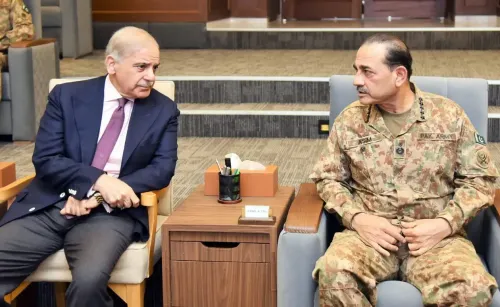
Shah further noted that the Pakistan military's political ambitions extend well beyond the personal grievances of Army Chief Field Marshal Asim Munir — including former Prime Minister Imran Khan's ouster of Munir as Inter-Services Intelligence (ISI) chief. According to Shah, the military's broader aim is to prevent civilian leaders from challenging its dominance over national security, internal security, and electoral politics.
Violence in Bara: A 13-Year-Old Killed
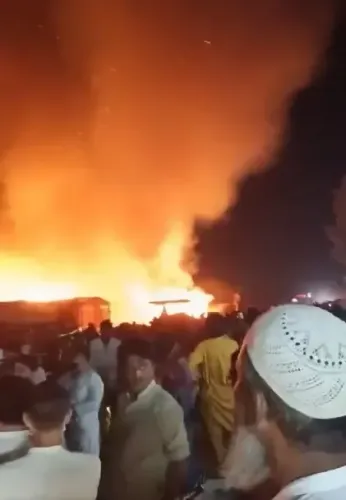
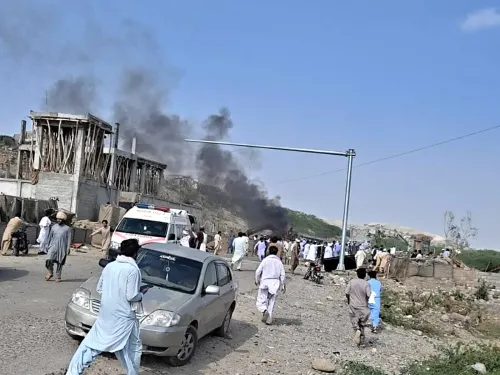
At least one person was killed and more than a dozen others were injured after police opened fire on protesters in Bara, Khyber Pakhtunkhwa, according to reports. The deceased has been identified as Habeel Khan, a 13-year-old who worked at a local eatery. His family said he died in hospital four days after the protest; a hospital death summary cited gunshot injury, cardiac arrest, and septic shock as the causes of death.
Irfanullah, whose younger brother Munir (19) was shot in the left foot, described the event as a peaceful demonstration. 'It was a peaceful protest,' he said. 'We are not planning to abandon PTI… We are just demanding and raising our voice for our rights and for peace here, nothing else,' Irfanullah was quoted as saying.
Critically, reports indicate that injured protesters were unable to access medical care at local healthcare facilities in Bara out of fear of arrest. Irfanullah said Munir attempted to seek treatment at a local hospital on two occasions but was turned away as healthcare workers feared police raids.
Crackdown: Arrests, Communications Blackout
Following the imposition of governor's rule, PTI leaders and workers were arrested and communications were reportedly disrupted across the province. The Human Rights Commission of Pakistan (HRCP) spokesperson Maheen Pracha confirmed receiving reports of police raids in Khyber, Swat, and Peshawar, as well as curfew impositions and military deployments.
Pracha issued a broader warning, saying, 'Whether it's the PTI in power now or somebody else, the same laws being made now will come back to haunt the next government in power.' This comes amid a pattern of escalating federal intervention in the province, which had remained one of PTI's last significant institutional strongholds.
PTI Calls It a 'Coup Disguised as Emergency'
PTI spokesperson Zulfikar Bukhari condemned the government's action in a post on social media platform X, terming it a 'coup disguised as emergency.' Bukhari wrote: 'Strongly condemn the arrest of the only mandated Chief Minister Sohail Afridi and of Junaid Akbar. This coup disguised as emergency or governor rule has squashed the only little bit of democracy left in Pakistan. Further instability and collateral damage to follow. The regime must be feeling very proud.'
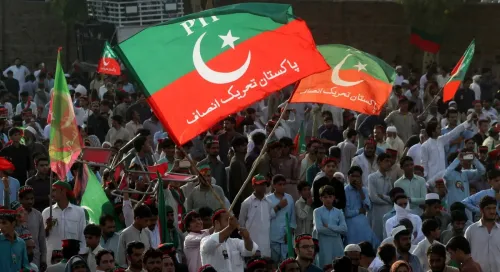
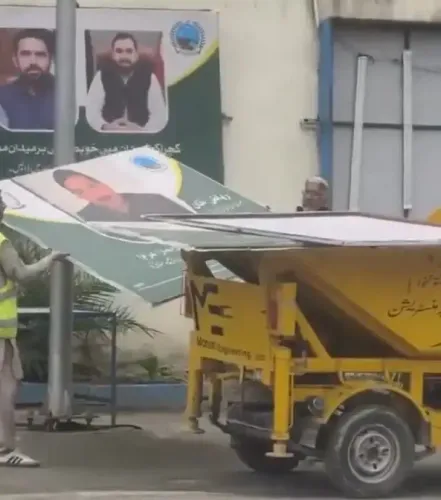
The federal government's trigger for the intervention, according to reports, was a mass march by thousands of PTI supporters from Khyber Pakhtunkhwa towards Islamabad, demanding Khan's access to medical care and his release from prison.
Broader Stakes for Pakistan's Democracy
Analysts note that the removal of an elected provincial government — even if done through constitutional mechanisms such as governor's rule — sets a troubling precedent. This is not the first time Pakistan's military has been accused of engineering political outcomes; the pattern of using emergency provisions to dismantle opposition-held governments has deep historical roots in the country. With PTI now stripped of its last major governing perch, the balance of political power in Pakistan has shifted markedly, and the international community, including human rights organisations, is expected to intensify scrutiny of Islamabad's democratic credentials.
How PTI responds on the streets — and whether the international community applies meaningful pressure — will determine whether this marks a terminal setback for Pakistan's civilian political order or a flashpoint for renewed resistance.
Point of View
As analysts note, the near-completion of a project to fully dismember PTI as a governing force. What mainstream coverage risks missing is the compounding human rights dimension: when injured civilians cannot seek hospital treatment for fear of arrest, the state has moved beyond political suppression into something closer to collective punishment. The HRCP's warning — that the laws being written today will haunt the next government — is the sharpest insight here; Pakistan's civilian parties have historically weaponised these same emergency provisions against each other, and none has emerged stronger for it. The deeper question is whether PTI's grassroots base in Khyber Pakhtunkhwa represents a durable reservoir of resistance, or whether the military's institutional grip is now comprehensive enough to outlast street-level opposition.
NationPress
29 Oct 2026
Frequently Asked Questions
What is governor's rule in Khyber Pakhtunkhwa and why was it imposed?
Governor's rule in Khyber Pakhtunkhwa refers to the suspension of the elected provincial government and its replacement by a federally appointed governor, accompanied by a state of emergency. Pakistan's federal government imposed it after thousands of PTI supporters began marching from the province towards Islamabad demanding Imran Khan's release from prison and access to medical care.
Who was killed in the Bara protests against emergency rule?
A 13-year-old boy named Habeel Khan, who worked at a local eatery in the Bara market, was killed after police opened fire on protesters. He died in hospital four days after the protest; the hospital death summary listed gunshot injury, cardiac arrest, and septic shock as causes of death.
What has the Human Rights Commission of Pakistan said about the crackdown?
HRCP spokesperson Maheen Pracha confirmed receiving reports of police raids in Khyber, Swat, and Peshawar, along with curfew impositions and military deployments. Pracha warned that the laws being enacted now will 'come back to haunt the next government in power,' signalling concern about long-term democratic erosion.
How has PTI responded to the removal of its Khyber Pakhtunkhwa government?
PTI spokesperson Zulfikar Bukhari condemned the action in a post on X, calling it a 'coup disguised as emergency.' Bukhari specifically condemned the arrests of Chief Minister Sohail Afridi and PTI leader Junaid Akbar, arguing the move had 'squashed the only little bit of democracy left in Pakistan.'
What does the Khyber Pakhtunkhwa crisis mean for Pakistan's civilian-military balance?
Political scientist Aqil Shah of Georgetown University described the move as 'a significant escalation' in Pakistan's long-running struggle between civilian authority and the military. Shah argued the military's goal goes beyond personal grievances and is aimed at preventing any civilian leader from challenging its dominance over national security, internal security, and electoral politics.