Raja Krishnamoorthi bills target US doctor shortage with immigrant healthcare push
Synopsis
Two new Congressional bills introduced by Indian-American lawmaker Raja Krishnamoorthi could unlock the skills of 2.1 million underemployed college-educated immigrants to tackle a projected shortfall of up to 48,000 US primary care physicians by 2034 — reframing immigration not as a policy burden but as the most immediate fix for America's healthcare staffing crisis.
Key Takeaways
Congressman Raja Krishnamoorthi and Adam Smith introduced two bills on 3 October 2026 to integrate qualified immigrant healthcare professionals into the US workforce.
The Association of American Medical Colleges projects a shortage of up to 48,000 primary care physicians in the US by 2034 .
An estimated 200,000 nurses will need to be hired annually to keep pace with demand and retirements.
A 2022 Migration Policy Institute study found 2.1 million college-educated immigrants in the US are unemployed or underemployed.
The Internationally Trained Physicians Assistance Act would create supervised temporary licences and guaranteed residency slots in medically underserved communities.
The bills are endorsed by nine organisations including the International Medical Graduates Academy and Talent Beyond Boundaries .
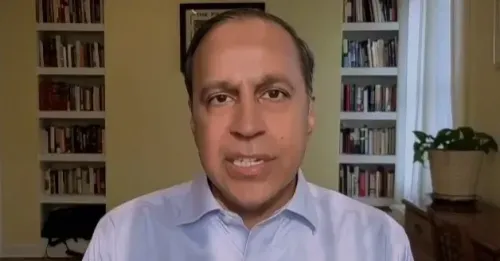
Indian-American Congressman Raja Krishnamoorthi has introduced two landmark pieces of legislation aimed at channelling qualified immigrant doctors, nurses, and allied health professionals into the US healthcare workforce, addressing what experts describe as a deepening national shortage of medical providers.
Krishnamoorthi, joined by Congressman Adam Smith, introduced the Immigrants in Nursing and Allied Health Act and the Internationally Trained Physicians Assistance Act on 3 October 2026. The bills seek to dismantle the licensing, training, and financial barriers that prevent immigrants already residing in the United States from practising in healthcare roles for which they are qualified.
The Scale of the Shortage
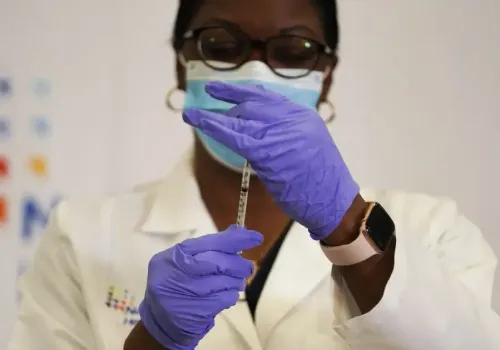
The legislation comes against the backdrop of a mounting workforce crisis in American healthcare. The Association of American Medical Colleges has projected a shortage of up to 48,000 primary care physicians by 2034. Separately, an estimated 200,000 nurses will need to be hired annually to meet rising demand and replace those retiring, according to information released alongside the bills.
A 2022 study by the Migration Policy Institute, cited by the lawmakers, found that 2.1 million college-educated immigrants in the US are currently unemployed or underemployed — a pool of talent the legislation is designed to unlock.
What the Bills Would Do
The Immigrants in Nursing and Allied Health Act would create federal grants for programmes offering training, licensing, certification, and case management support to immigrants entering healthcare professions. It would also extend eligibility for the National Health Service Corps to non-US-citizen immigrants. Covered professions include nursing, dental hygiene, dietetics, medical technology, occupational therapy, physical therapy, respiratory therapy, and speech-language pathology.
The Internationally Trained Physicians Assistance Act targets immigrants who already hold medical degrees earned outside the United States. It would incentivise states to create temporary licensing programmes allowing internationally educated doctors to practise under supervision while completing the training and certification requirements for a full US medical licence. The bill would also establish guaranteed medical residency slots for internationally trained physicians in predominantly medically underserved communities.
Financial grants would be made available to cover costs such as examination preparation, testing, certification fees, English-language classes, and case management for physicians who need assistance.
What the Lawmakers Said
'Skilled doctors, nurses, and other health professionals should have the opportunity to put their training and expertise to work caring for patients,' Krishnamoorthi said. 'Our legislation would help qualified immigrants overcome unnecessary barriers to entering the health care workforce while helping communities address critical provider shortages. When we make better use of the talent already in our communities, we strengthen our health care system and expand access to care.'
Smith echoed the concern, saying: 'We have thousands of skilled nurses, doctors, and health professionals in this country whose training and expertise are going to waste because their professional expertise is not recognised and they face numerous barriers to achieve the needed licensure. At the same time, our health care system is stretched thin and patients are waiting longer for care. This bill package helps immigrants put their skills to work and serve their communities and will rebuild the health care system.'
Endorsements and Broader Context
The legislation has drawn backing from a range of organisations including the International Medical Graduates Academy, Nashi Immigrants Health Board, Northwest Immigrant Rights Project, Sea Mar Community Health Center, Seattle Indian Health Board, Spring Institute for Intercultural Learning, Talent Beyond Boundaries, Upwardly Global, and World Education Services.
This comes amid a broader national debate in the United States over immigration policy and workforce planning. Notably, the bills represent a rare bipartisan-adjacent effort to reframe immigrant talent as a domestic resource rather than a competitive threat — a framing that could gain traction as healthcare systems in rural and underserved urban areas continue to struggle. Whether the bills advance through committee will be an early indicator of Congressional appetite for this approach.
Point of View
They risk becoming a well-intentioned gesture rather than a structural fix. The framing — immigrants as a healthcare solution, not a labour-market threat — is smart politics, but it runs directly against the dominant nativist current. For the Indian-American diaspora specifically, many of whom are internationally trained physicians caught in credential limbo, the stakes are unusually personal.
NationPress
3 Oct 2026
Frequently Asked Questions
What are the two bills introduced by Congressman Raja Krishnamoorthi?
The two bills are the Immigrants in Nursing and Allied Health Act and the Internationally Trained Physicians Assistance Act, introduced on 3 October 2026. Together they aim to remove licensing, training, and financial barriers preventing qualified immigrants from working in the US healthcare system.
Why is the US facing a healthcare workforce shortage?
The Association of American Medical Colleges projects a shortfall of up to 48,000 primary care physicians by 2034, while approximately 200,000 nurses will need to be hired annually to meet demand and replace retirees. The shortage is compounded by the fact that 2.1 million college-educated immigrants are currently unemployed or underemployed in the US, according to a 2022 Migration Policy Institute study.
How would the Internationally Trained Physicians Assistance Act work?
It would incentivise states to create temporary licensing programmes allowing internationally educated immigrant doctors to practise under supervision while completing US certification requirements. The bill also establishes guaranteed medical residency slots in medically underserved communities and offers financial grants for examination, certification, and language support.
Which professions are covered under the Immigrants in Nursing and Allied Health Act?
The act covers nursing and a wide range of allied health professions, including dental hygienists, dietitians, medical technologists, occupational therapists, physical therapists, respiratory therapists, and speech-language pathologists. It would create federal grants for training and licensing programmes and extend National Health Service Corps eligibility to non-citizen immigrants.
Who has endorsed the Krishnamoorthi healthcare immigration bills?
Nine organisations have endorsed the legislation, including the International Medical Graduates Academy, Nashi Immigrants Health Board, Northwest Immigrant Rights Project, Sea Mar Community Health Center, Seattle Indian Health Board, Spring Institute for Intercultural Learning, Talent Beyond Boundaries, Upwardly Global, and World Education Services.