What is the current death toll from Lassa fever in Nigeria?

Synopsis
The Lassa fever outbreak in Nigeria has escalated, with the death toll reaching 172. This alarming rise highlights urgent public health concerns. Health officials urge residents to adopt preventive measures to combat the spread of this deadly disease. Learn more about the symptoms, affected regions, and how you can help reduce the risk of infection.
Key Takeaways
The death toll from Lassa fever in Nigeria has reached 172 .
There are 924 confirmed cases reported across 21 states .
The case fatality rate is currently at 18.6% .
Most affected demographics are individuals aged 21 to 30 years .
Preventive measures are crucial to combat the outbreak.
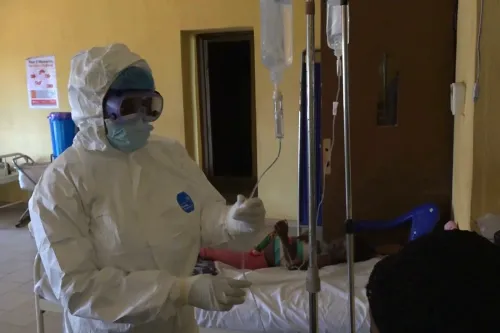
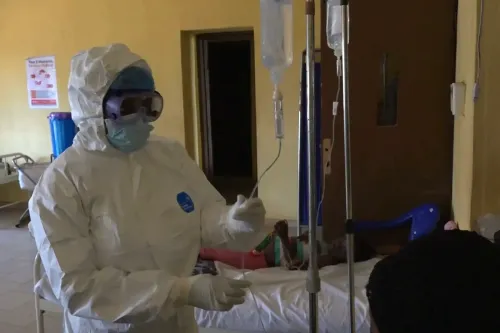
Abuja, Oct 23 (NationPress) The death toll associated with the Lassa fever outbreak in Nigeria, the largest country in Africa by population, has tragically increased to 172 since the start of this year, as reported by public health authorities.
The Nigeria Center for Disease Control and Prevention (NCDC) provided an update on Wednesday, revealing that there have been 924 confirmed cases out of 8,041 suspected cases documented from January to October across 106 local government areas in 21 of Nigeria's 36 states, according to Xinhua news agency.
The agency noted that the case fatality rate has reached 18.6 percent, which is an increase from the 17 percent recorded during the same timeframe in 2024.
This rise in fatalities has been attributed to factors such as late presentation of cases and poor health-seeking behavior among residents in high-burden communities.
The states most affected include Edo, Ebonyi, and Ondo in the south, as well as Bauchi and Taraba in the north, accounting for over 90 percent of all confirmed cases. Notably, Ondo alone accounts for 35 percent of the total confirmed cases, according to the NCDC.
The demographic most affected falls within the age range of 21 to 30 years, with a male-to-female ratio of 1:0.8.
The public health agency has cited poor sanitation, lack of awareness in high-burden areas, and delayed treatment as contributing factors to the ongoing outbreak.
Health officials are urging Nigerians to implement preventive measures, such as maintaining clean living environments, avoiding contact with rodents, and properly storing food to mitigate the risk of infection.
They also recommend that anyone exhibiting symptoms like persistent fever, sore throat, chest pain, or vomiting should seek immediate medical attention at the nearest health facility for timely diagnosis and treatment.
The NCDC has confirmed that collaborative efforts with state health ministries, development partners, and community stakeholders are in progress to ensure a robust response and care for affected individuals.
A multi-sectoral incident management system is currently in place to oversee a nationwide response.
Lassa fever, which is an acute viral hemorrhagic disease, is commonly transmitted through food or household items contaminated with rodent urine or feces. Additionally, human-to-human transmission can occur through direct contact with the blood, saliva, urine, or excrement of infected individuals.
Point of View
It is imperative to view the ongoing Lassa fever outbreak in Nigeria through a lens of urgency and care. The rising death toll demands a collective response from both the public and health authorities. We must prioritize awareness, prevention, and timely medical intervention to safeguard our communities.
NationPress
27 Sept 2026
Frequently Asked Questions
What is Lassa fever and how is it transmitted?
Lassa fever is an acute viral hemorrhagic illness primarily transmitted through contact with food or household items contaminated with rodent urine or feces. It can also spread through direct contact with the blood, saliva, urine, or excreta of infected individuals.
What are the symptoms of Lassa fever?
Common symptoms include persistent fever, sore throat, chest pain, vomiting, and, in some cases, bleeding.
How can I prevent Lassa fever infection?
To prevent infection, maintain clean living conditions, avoid contact with rodents, and store food properly. Also, be aware of the symptoms and seek medical attention if you display any signs.
Which areas in Nigeria are most affected by Lassa fever?
The states most impacted by the outbreak include Edo, Ebonyi, Ondo, Bauchi, and Taraba, accounting for over 90% of confirmed cases.
What should I do if I suspect I have Lassa fever?
If you experience symptoms associated with Lassa fever, seek immediate medical attention at the nearest health facility for early diagnosis and treatment.