US Legislators Urge Trump Administration to Prioritize Tibet
Synopsis
A coalition of US lawmakers is urging the Trump administration to focus on Tibet in foreign policy, advocating for dialogue, religious freedom, and countering Chinese misinformation. Their letter outlines key recommendations to enhance US support for the Tibetan people.
Key Takeaways
Bipartisan support: US lawmakers from both parties are united in urging the Trump administration to prioritize Tibet.
Key issues: Focus on dialogue, religious freedom, and countering misinformation.
Legislative references: Emphasis on the Tibetan Policy Act of 2002 and the Tibetan Policy and Support Act of 2020.
Access to Tibet: Call for enhanced access for diplomats and journalists under the Reciprocal Access to Tibet Act.
Support for refugees: Highlighting the need for solutions for Tibetan refugees in Nepal.
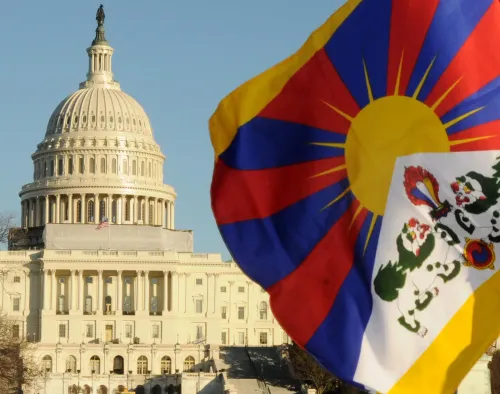
Washington, March 11 (NationPress) A bipartisan coalition of US legislators is calling on the Trump administration to prioritize Tibet in its international policy framework. They are advocating for the State Department to facilitate discussions regarding the region’s future, uphold religious freedom in the succession of the Dalai Lama, and combat Chinese misinformation about Tibet.
In a correspondence addressed to Riley M. Barnes, the Special Coordinator for Tibetan Issues at the US State Department, the lawmakers emphasized the need for Washington to enhance efforts to enforce existing legislation and reinforce the long-standing American commitment to the Tibetan populace.
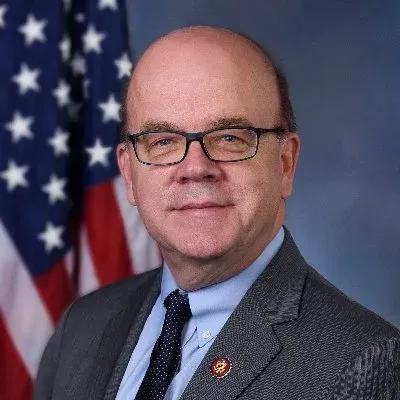
This initiative was spearheaded by Congressman Jim McGovern, a Democrat from Massachusetts, alongside Congresswoman Young Kim, a Republican from California, and eight other House members representing both political parties.
“We understand the possibilities when both the Administration and Congress collaborate to advance America’s interests concerning Tibet,” the lawmakers stated.
“We are eager to partner with you as the Special Coordinator for Tibetan Issues to enforce these laws and appropriations set forth by Congress, aiming for a renewed and vigorous effort to peacefully resolve the Tibet conflict, while maintaining the US government’s steadfast support for our Tibetan allies.”
The lawmakers identified eight avenues for Congress and the administration to work together to enhance US policies on Tibet in accordance with current American law.
One of the primary focuses is to foster dialogue between the People’s Republic of China and representatives of the Dalai Lama or the Central Tibetan Administration. The lawmakers referenced the Tibetan Policy Act of 2002, which advocates for such engagement as the most viable approach to resolving the China-Tibet conflict.
The letter also underscored the importance of safeguarding religious freedom regarding the selection of the next Dalai Lama. The lawmakers pointed to the Tibetan Policy and Support Act of 2020, which asserts that decisions regarding the succession are spiritual matters belonging solely to the Dalai Lama, the Tibetan Buddhist community, and the Tibetan people.
They urged the administration to reaffirm this policy and collaborate with other nations to prevent interference in the succession process.
In calling for more robust measures against Chinese disinformation about Tibet, lawmakers advocated for the enactment of the Promoting a Resolution to the Tibet-China Dispute Act of 2024. This legislation clarifies the US government's role in countering misinformation regarding Tibet’s history, institutions, and leadership.
Another significant recommendation is to enhance access to Tibet for international diplomats, journalists, and tourists under the Reciprocal Access to Tibet Act of 2018. Lawmakers noted that restrictions imposed by Chinese authorities persist despite the law’s intention to ensure reciprocal travel access.
The letter also highlighted the need for ongoing US assistance programs for Tibetan communities. Lawmakers emphasized the importance of supporting cultural preservation and development programs for Tibetans within Tibet and in exile communities throughout South Asia.
Additionally, lawmakers called for prioritizing solutions for Tibetan refugees in Nepal, who currently lack legal status and remain susceptible to external pressures.
Moreover, they urged the administration to maintain engagement with the Central Tibetan Administration and encouraged US officials to strengthen their relations with Tibetan leaders.
The letter also stressed the necessity of independent broadcasting into Tibet through outlets such as Radio Free Asia and Voice of America, which lawmakers assert provide essential information to Tibetans and policymakers.
Point of View
The recent push by US lawmakers to prioritize Tibet in foreign policy reflects a growing awareness of the region's significance. The bipartisan effort emphasizes the importance of religious freedom and open dialogue, positioning the US as a steadfast ally of the Tibetan people amidst ongoing challenges.
NationPress
17 Sept 2026
Frequently Asked Questions
What are US lawmakers urging regarding Tibet?
US lawmakers are urging the Trump administration to prioritize Tibet in foreign policy, promote dialogue, defend religious freedom in the Dalai Lama's succession, and counter Chinese disinformation.
Who led the bipartisan effort?
The bipartisan effort was led by Congressman Jim McGovern and Congresswoman Young Kim, alongside eight other House members.
What legislation is referenced in their letter?
The letter references the Tibetan Policy Act of 2002 and the Tibetan Policy and Support Act of 2020, among others.
What is the significance of the Reciprocal Access to Tibet Act?
The Reciprocal Access to Tibet Act aims to ensure that foreign diplomats and journalists have access to Tibet, countering travel restrictions imposed by Chinese authorities.
How are US lawmakers supporting Tibetan refugees?
Lawmakers are advocating for solutions for Tibetan refugees in Nepal who lack legal status and face external pressures.