Lebanon-Israel Rome talks: progress on border, prisoners, says Aoun
Synopsis
Diplomats reported incremental gains in Rome while UNIFIL simultaneously logged the heaviest single-day Israeli military activity since June — 113 projectiles, 49 airspace violations, and naval incursions into Lebanese waters. The contradiction between the negotiating table and the ground situation is the defining tension of the Lebanon-Israel track right now.
Key Takeaways
Lebanese President Joseph Aoun confirmed 'positive progress' on border and prisoner issues at Rome talks on 8 August .
The Rome session was the seventh round of Lebanon-Israel negotiations, building on a Washington framework from late June .
UNIFIL recorded 113 IDF projectiles on Wednesday — the highest daily figure since 21 June .
Peacekeepers logged 49 airspace violations with over 131 hours of cumulative overflight time, the highest since 23 June .
US General Joseph Clearfield is expected in Beirut soon to follow up on unresolved ceasefire and pilot-area issues.
The talks are opposed by Hezbollah , which has not participated in the bilateral negotiation track.
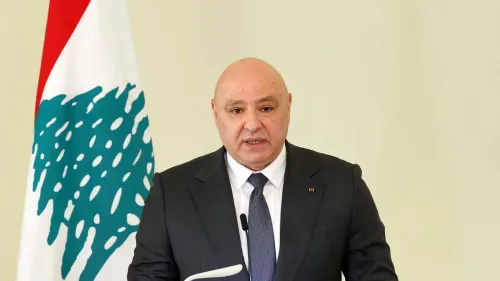
Lebanese President Joseph Aoun announced on Friday, 8 August that the latest round of negotiations between Lebanon and Israel, held in Rome, yielded 'positive progress' on border demarcation and the return of prisoners. The statement came during a cabinet session in Beirut, where Aoun outlined the four-point agenda that structured the three-day talks.
What the Rome Talks Covered
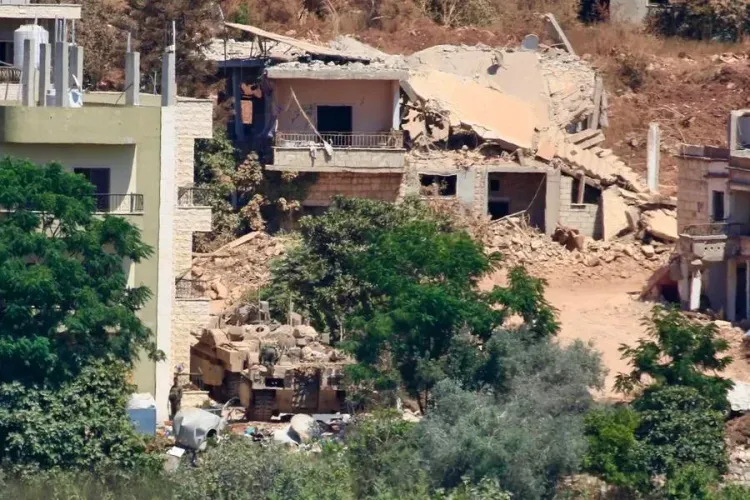
According to a statement released by the Lebanese presidency, the Rome negotiations addressed four core issues: a ceasefire, the demolition and bulldozing of houses, the border, and the return of prisoners along with the identification of pilot areas. Aoun said 'positive progress' had been made specifically on the border and prisoners' issues, expressing hope that 'practical steps would emerge soon.'
The remaining issues — a ceasefire and the identification of pilot areas — were not resolved. Aoun indicated that the US administration would take the lead in addressing those outstanding matters. He added that US General Joseph Clearfield would arrive in Beirut shortly to follow up on these points.
Seventh Round, Hezbollah Still Opposed
The Rome talks represent the seventh round of negotiations between the two governments, building on a framework agreement reached in Washington in late June. The talks were opposed by Hezbollah, which has consistently rejected the bilateral negotiation track. Israeli and Lebanese officials concluded the three-day session a day before Aoun's cabinet remarks, according to local media reports.
Sharpest Military Escalation Since June
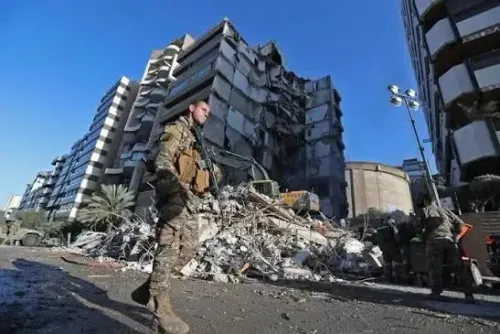
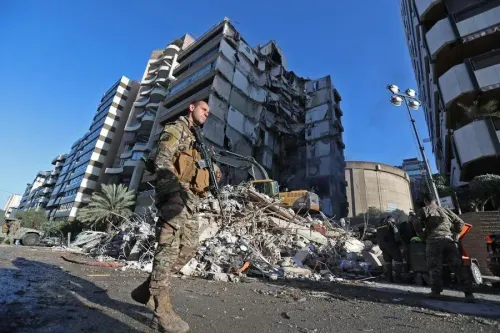
Even as diplomats met in Rome, the situation on the ground deteriorated sharply. UN officials announced on Thursday that peacekeepers from the UN Interim Force in Lebanon (UNIFIL) recorded the steepest escalation in military activity between Israel and Hezbollah since late June.
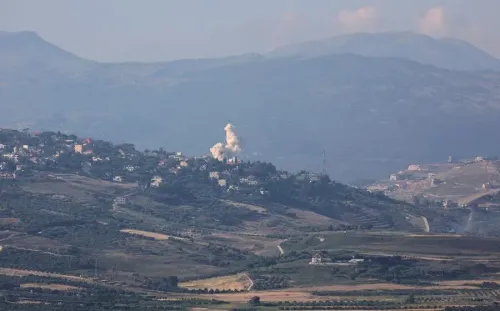
UNIFIL documented 113 projectiles fired by the Israel Defense Forces (IDF) on Wednesday — the highest single-day figure since 21 June. Farhan Haq, deputy spokesman for UN Secretary-General Antonio Guterres, confirmed that no projectile launches by Hezbollah were detected during the same period.
Aerial and Maritime Violations Recorded
UNIFIL also logged significant aerial activity on Wednesday: 49 airspace violations with a cumulative overflight time exceeding 131 hours — the highest level since 23 June. Peacekeepers additionally observed three airstrikes northwest of Al Mansuri.
At sea, on Monday, UNIFIL observed IDF patrol boats crossing the Line of Buoys into Lebanese territorial waters before returning south, Haq said. The simultaneous escalation on land, air, and sea underscores the fragility of the diplomatic track even as negotiators report incremental gains.
What Comes Next
With General Clearfield's expected visit to Beirut, attention now shifts to whether US mediation can bridge the ceasefire and pilot-area gaps before ground-level tensions undermine the negotiating process entirely. Both sides have yet to announce a date for the next formal round of talks.
Point of View
And Hezbollah's continued opposition means any agreement between the two governments faces a structural legitimacy problem on the Lebanese side. US mediation via General Clearfield may be the only circuit-breaker, but Washington has limited leverage if the military tempo keeps rising independently of the talks.
NationPress
22 Sept 2026
Frequently Asked Questions
What progress was made in the Lebanon-Israel Rome talks?
Lebanese President Joseph Aoun said 'positive progress' was achieved on border demarcation and the return of prisoners during the three-day Rome negotiations concluded in August 2025. The ceasefire and pilot-area identification issues remain unresolved and have been referred to US mediation.
What are the four issues being negotiated between Lebanon and Israel?
The four issues on the table are: a ceasefire, the demolition and bulldozing of houses, border demarcation, and the return of prisoners along with the identification of pilot areas. Progress was reported on the latter two; the first two remain pending.
Why are the talks opposed by Hezbollah?
Hezbollah has consistently rejected the bilateral government-to-government negotiation track between Lebanon and Israel, viewing it as a normalisation framework it does not endorse. The group has not participated in any of the seven rounds of talks.
What did UNIFIL record during the same period as the Rome talks?
UNIFIL recorded 113 IDF projectiles on Wednesday — the highest single-day figure since 21 June — along with 49 airspace violations exceeding 131 hours of cumulative overflight and IDF naval boats crossing into Lebanese territorial waters. No Hezbollah projectile launches were detected in the same period.
What is the role of US General Joseph Clearfield in the Lebanon-Israel negotiations?
General Joseph Clearfield is expected to travel to Beirut soon to follow up on the unresolved issues of a ceasefire and pilot-area identification, per President Aoun's cabinet statement. He represents the US administration's continued mediation role in the Lebanon-Israel diplomatic track.