No Lebanon deal unless its army improves, warns Israeli military chief Zamir
Synopsis
Israeli military chief Eyal Zamir has set a blunt precondition for any Lebanon deal: the Lebanese army must prove itself on the ground before Hezbollah disarmament talks can advance. With Israeli troops still 10 km inside Lebanon, Netanyahu vowing heavier strikes if attacked, and Rome talks due in October, the June ceasefire framework looks increasingly hollow.
Key Takeaways
Israeli military chief Eyal Zamir said on Wednesday that no Lebanon security agreement is possible unless the Lebanese Armed Forces significantly improve ground effectiveness.
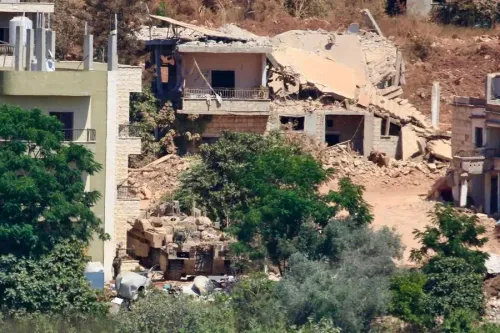
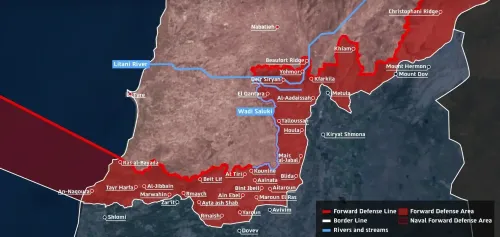
Israeli forces occupy a strip roughly 10 km deep into southern Lebanon, which Lebanon has repeatedly demanded be vacated.
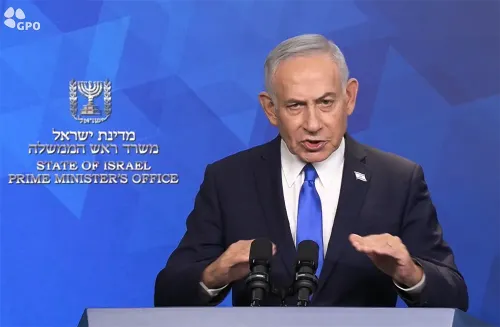
Prime Minister Benjamin Netanyahu on Monday vowed to continue destroying Hezbollah infrastructure in the 'security zone' and warned of 'heavier blows' if attacked.
Israel says it has demolished more than 2 km of underground Hezbollah tunnels at Ali al-Taher ridge.
A June ceasefire framework linking Israeli withdrawal to Hezbollah disarmament has stalled, with near-daily Israeli strikes continuing.
The next round of US-mediated talks between Israel and Lebanon is scheduled for Rome in October .
Israeli military chief Eyal Zamir on Wednesday declared that progress toward a security agreement with Lebanon on disarming Hezbollah is impossible unless the Lebanese Armed Forces substantially strengthen their operational effectiveness on the ground. His remarks came weeks ahead of a fresh round of US-mediated talks scheduled in Rome in October.
What Zamir Said at the Border
Speaking during a visit to Israeli troops stationed near the Lebanese border, Zamir said the Israeli military is 'determined to rid the area south of the Litani River of Hezbollah's presence, alongside advancing the overarching objective of disarming Hezbollah.' He made clear that no meaningful agreement with the Lebanese government can be reached while the Lebanese Armed Forces fail to significantly improve their effectiveness on the ground.
Zamir also outlined Israel's updated defence posture, stating it relies on maintaining troops 'deep inside enemy territory beyond the border.' Israeli forces currently occupy a strip extending roughly 10 km into southern Lebanon — a deployment that Lebanon has repeatedly demanded be ended.
Netanyahu's Parallel Warning
Prime Minister Benjamin Netanyahu, in a video statement on Monday, signalled no intention of pulling back from what he called a 'security zone' in southern Lebanon. 'We will continue to destroy the terror infrastructure in the security zone in Lebanon,' Netanyahu said, adding that Israel would inflict 'even heavier blows' if attacked.
Netanyahu said Israeli forces had destroyed what he described as major Hezbollah strongholds at the Beaufort and Ali al-Taher ridges. Israel said last week it had dismantled more than 2 km of underground Hezbollah infrastructure at Ali al-Taher after seizing control of the area.
The Stalled Ceasefire and Rome Talks
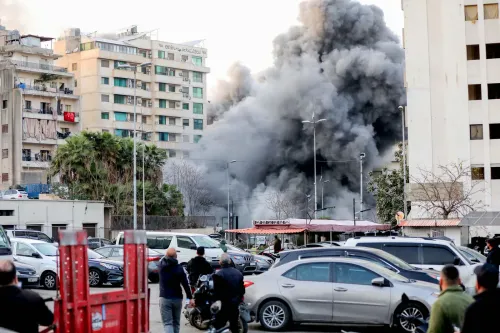
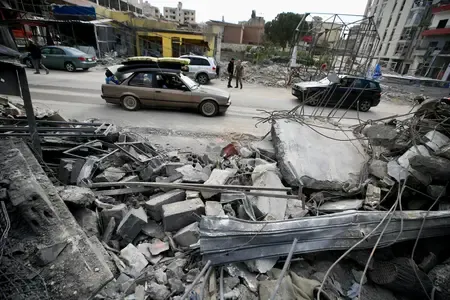
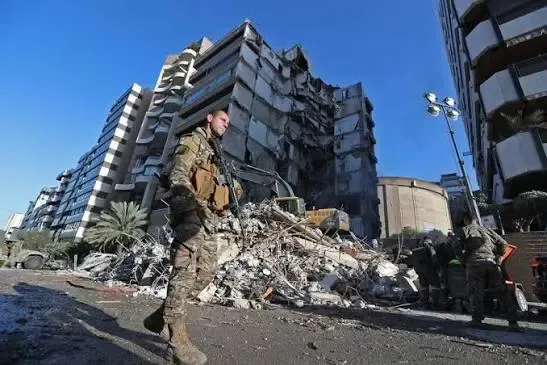
A ceasefire framework agreed in June had envisaged an Israeli withdrawal from southern Lebanon alongside the disarmament of Hezbollah. Implementation, however, has stalled. According to reports, Israel has continued to carry out near-daily strikes in Lebanon since the ceasefire took effect, while Lebanon presses for a complete Israeli pullout.
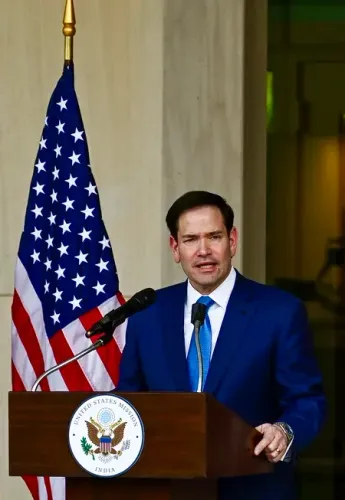
US officials have confirmed that Israeli and Lebanese delegations are set to meet in Rome in October for another round of mediated negotiations. The outcome of those talks hinges substantially on whether the Lebanese army can demonstrate the ground capacity that Israel is demanding — a condition Beirut has not formally acknowledged as a prerequisite.
Broader Implications
The statements from both Zamir and Netanyahu signal that Israel intends to hold ground in southern Lebanon as a strategic lever in any future agreement, rather than withdrawing ahead of a deal. This comes amid rising pressure from Washington, which is invested in brokering a durable security arrangement before the regional situation deteriorates further. Critics argue that Israel's continued strikes and occupation are themselves obstacles to the Lebanese army asserting control, creating a circular dynamic that complicates any diplomatic resolution.
With the Rome talks now weeks away, the gap between Israeli conditions and Lebanese demands suggests the next round of negotiations will be contentious at best.
Point of View
Israel has constructed a condition it can unilaterally assess, and unilaterally declare unmet. The irony is that Israel's own continued strikes and occupation may be the primary reason the Lebanese army struggles to assert control in the south. The Rome talks in October will test whether Washington has the leverage to break this cycle, or whether the June ceasefire becomes a frozen conflict with a diplomatic veneer.
NationPress
17 Sept 2026
Frequently Asked Questions
What did Israeli military chief Eyal Zamir say about the Lebanon deal?
Eyal Zamir said on Wednesday that a security agreement with Lebanon on disarming Hezbollah cannot progress unless the Lebanese Armed Forces significantly improve their operational effectiveness on the ground. He made the remarks during a visit to Israeli troops near the Lebanese border, weeks before US-mediated talks scheduled in Rome in October.
Why has the June ceasefire between Israel and Lebanon stalled?
A ceasefire framework agreed in June 2026 envisaged Israeli withdrawal from southern Lebanon alongside Hezbollah disarmament, but implementation has stalled. Israel has continued near-daily strikes in Lebanon, while Lebanon demands a full Israeli pullout and Israel insists on Lebanese army improvements as a precondition.
When and where are the next Israel-Lebanon talks scheduled?
The next round of US-mediated security talks between Israel and Lebanon is scheduled to take place in Rome in October 2026, according to US officials. The talks aim to reach a broader security agreement covering Israeli withdrawal and Hezbollah disarmament.
What has Netanyahu said about Israeli military operations in southern Lebanon?
Prime Minister Benjamin Netanyahu said on Monday that Israel would continue destroying Hezbollah infrastructure in what he called a 'security zone' in southern Lebanon. He warned that Israel would inflict 'even heavier blows' if attacked, and cited the destruction of Hezbollah strongholds at the Beaufort and Ali al-Taher ridges.
How deep is Israel's military presence in southern Lebanon?
Israeli forces currently occupy an area extending roughly 10 km into southern Lebanon. Israel's updated defence concept, as stated by military chief Zamir, relies on maintaining troops deep inside Lebanese territory beyond the border as a strategic posture.