Lebanon water crisis leaves 700,000 without safe water as returnees struggle
Synopsis
More than 700,000 people in southern Lebanon have lost access to safe drinking water due to conflict-related infrastructure damage, even as 821,000 displaced residents have returned home. The UN's human rights chief has flagged possible war crimes, with over 4,300 killed since March 2 — and a third of the displaced still unable to go back.
Key Takeaways
Damage to water systems in South and Nabatieh governorates has disrupted safe drinking water for more than 700,000 people , according to the South Lebanon Water Establishment .
More than 821,000 people have returned to their communities, but 360,000 remain displaced, including 27,000 in collective shelters.
UN High Commissioner Volker Türk said Israeli military operations may amount to 'war crimes' following a four-day visit to Beirut .
Lebanese authorities report more than 4,300 killed and over 12,200 injured since 2 March , including more than 135 healthcare workers .
An independent assessment mission has begun gathering evidence on alleged violations by all parties since 2 March .
Damage to water infrastructure across southern Lebanon has disrupted safe drinking water access for more than 700,000 people, the UN Office for the Coordination of Humanitarian Affairs (OCHA) warned on Friday, 1 August, as over a million displaced residents attempt to return home following months of conflict. The crisis is compounding public health risks and threatening agricultural livelihoods across the South and Nabatieh governorates.
Scale of Infrastructure Damage
A preliminary assessment by the South Lebanon Water Establishment found that reservoirs, pumping stations, boreholes and related facilities have sustained significant damage. OCHA said the destruction is not only cutting off drinking water but also undermining agriculture and the broader economic recovery of affected communities. The scale of damage suggests that restoration will require sustained investment well beyond emergency relief.
Displacement: Who Has Returned, Who Remains
According to OCHA, more than 821,000 people have returned to their communities since the conflict subsided. However, 360,000 remain displaced, including approximately 27,000 individuals living in collective shelters. Humanitarians stressed that physical return does not signal the end of humanitarian need — basic services remain severely degraded for many returnees.
UN Human Rights Chief Flags Possible War Crimes
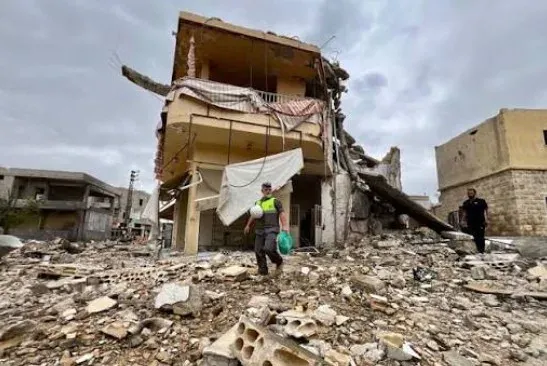
UN High Commissioner for Human Rights Volker Türk said on Monday, at a press conference in Beirut at the conclusion of his four-day official visit, that Israeli military operations in Lebanon had caused 'widespread civilian suffering' and may amount to 'war crimes.' His office documented 'large-scale violations of international humanitarian law, some possibly amounting to war crimes,' he said. Türk cited continued Israeli airstrikes, shelling and the use of explosive weapons in densely populated areas as causing heavy civilian casualties, widespread destruction and mass displacement.
Casualty Figures and Independent Investigation
Citing Lebanese authorities, Türk said more than 4,300 people have been killed and over 12,200 injured in Lebanon since 2 March, among them more than 135 healthcare workers as well as journalists and media workers. He also announced that an impartial and independent assessment mission has begun gathering information and evidence on alleged violations committed by all parties to the conflict since 2 March.
What Comes Next
OCHA underscored that continued investment in humanitarian assistance and early recovery is essential to restoring basic services, supporting livelihoods, and enabling communities to recover safely and with dignity. With nearly a third of displaced persons still unable to return home, and water access severely compromised for those who have, the humanitarian situation in southern Lebanon remains acute.
Point of View
000 people have gone back to communities where water systems are broken, livelihoods are disrupted, and public health risks are rising — conditions that can rapidly reverse displacement gains. Türk's war crimes framing will face political resistance, but the independent assessment mission is the mechanism to watch; its findings could shape international accountability debates for years. With 360,000 still displaced and donor fatigue a real risk, the funding gap for early recovery — not just emergency relief — is the story beneath the story.
NationPress
15 Sept 2026
Frequently Asked Questions
Why is the water crisis in southern Lebanon so severe?
Conflict-related damage to reservoirs, pumping stations and boreholes across the South and Nabatieh governorates has disrupted safe drinking water access for more than 700,000 people, according to a preliminary assessment by the South Lebanon Water Establishment. The destruction also threatens agriculture and broader livelihoods in the region.
How many people remain displaced in Lebanon?
As of 1 August, 360,000 people remain displaced in Lebanon, including around 27,000 living in collective shelters, even as more than 821,000 have returned to their communities. UN humanitarians warn that returning home does not mean humanitarian needs have ended.
What did UN Human Rights Chief Volker Türk say about the conflict?
Türk said at a press conference in Beirut that Israeli military operations in Lebanon caused widespread civilian suffering and may amount to war crimes. His office documented large-scale violations of international humanitarian law, citing airstrikes, shelling and the use of explosive weapons in densely populated areas.
How many people have been killed in Lebanon since March 2?
Lebanese authorities cited by Türk report more than 4,300 people killed and over 12,200 injured since 2 March, among them more than 135 healthcare workers as well as journalists and media workers.
Is there an investigation into alleged violations in Lebanon?
Yes. Türk announced that an impartial and independent assessment mission has begun gathering information and evidence on alleged violations committed by all parties to the conflict since 2 March. Its findings are expected to inform international accountability processes.