Leptospirosis cases hit 50 in Manila amid Philippines flooding crisis
Synopsis
Flooding from the southwest monsoon has turned the Philippines into a leptospirosis hotspot — 50 cases and 2 deaths at Manila's top infectious disease hospital alone, with a national count of 3,760 and rising. In Iloilo, deaths have doubled year-on-year. With 88 cities under a state of calamity and nearly 1 million people submerged in Pampanga, the public health emergency is deepening by the day.
Key Takeaways
San Lazaro Hospital in Manila has recorded 50 leptospirosis cases and 2 deaths as of 22 August .
Nationwide leptospirosis cases in the Philippines have reached 3,760 , with further increases expected.
In Iloilo Province , at least 10 people have died from leptospirosis in eight months — double the toll for the same period in 2025 .
88 cities and municipalities have declared a state of calamity due to the southwest monsoon and tropical cyclones.
Pampanga has nearly 1 million people affected by flooding and around ₹1.4 billion pesos in agricultural damage.
Residents in affected areas are urged to take preventive antibiotics if exposed to floodwater.
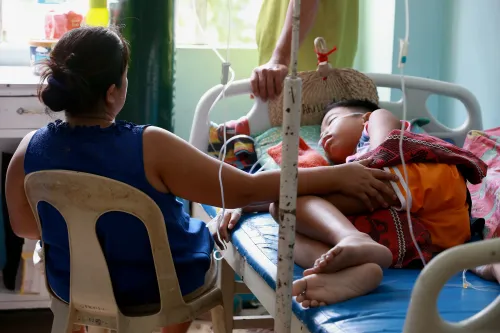
Leptospirosis cases at San Lazaro Hospital, the Philippine capital's national referral centre for infectious diseases, have climbed to 50 with two deaths, as relentless heavy rains and flooding continue to batter Manila and surrounding provinces. The hospital, run by the Department of Health (DOH), has opened a dedicated express lane to manage the surge in patients, according to local media reports on 22 August.
National Case Count and Rising Toll
Across the Philippines, leptospirosis cases have reached 3,760 so far, with the DOH warning that the figure is expected to climb further in the coming days as floodwaters persist. In Iloilo Province in the central Philippines, at least 10 people have died from the disease over the past eight months — double the death toll recorded during the same period in 2025. Local health authorities in Iloilo have urged residents to take prophylactic or preventive antibiotics if they have been exposed to contaminated floodwater.
Flooding Devastates Central Luzon
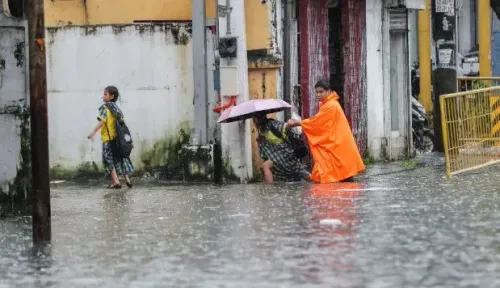
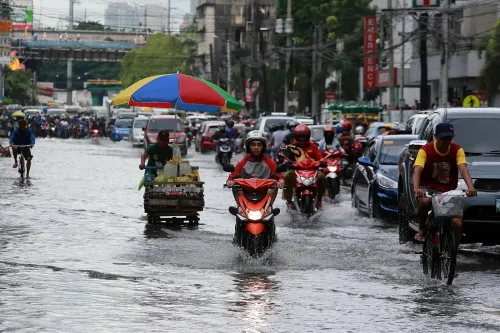
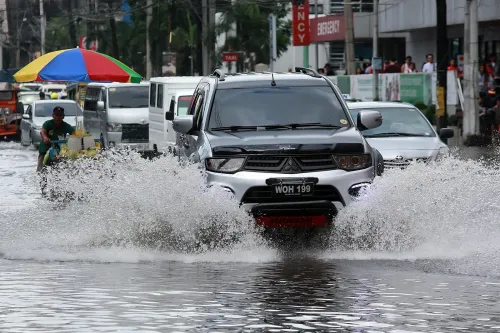
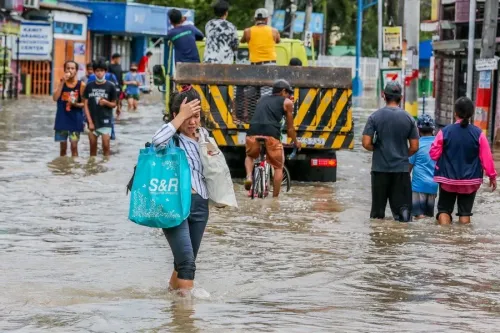
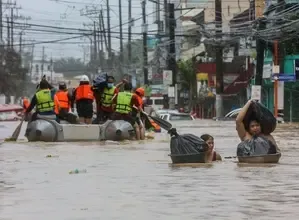
The flooding, driven by the southwest monsoon and successive tropical cyclones, has prompted 88 cities and municipalities to declare a state of calamity, according to the Office of Civil Defence. The hardest-hit provinces are Pampanga, Bataan, and Bulacan in Central Luzon — the largest plain in the country, located north of Manila on the main island of Luzon.
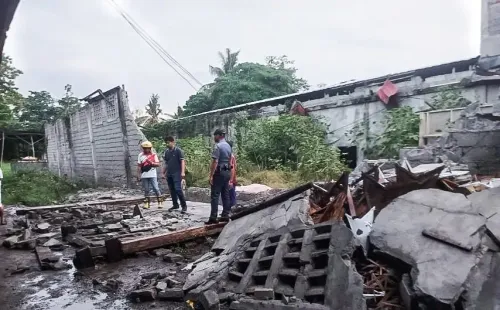
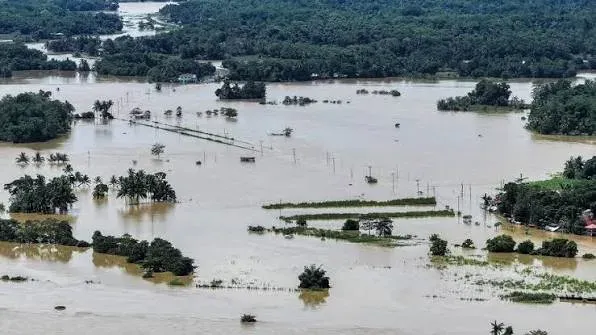
In Pampanga, more than half of all villages remain submerged, affecting nearly 1 million people and causing approximately 1.4 billion pesos (around 22.68 million US dollars) in agricultural damage. Bataan has declared a state of calamity with around 8,000 residents evacuated, while in Bulacan, a bridge in Santa Maria remains closed due to flood damage.
What Is a State of Calamity
A state of calamity is an official emergency declaration issued by the Philippine government when a severe natural disaster, epidemic, or major crisis strikes a city, province, or the entire country. It unlocks emergency funds and enables faster procurement of relief goods and medical supplies.
Health Warnings and What Comes Next
Leptospirosis is a bacterial infection transmitted primarily through contact with water or soil contaminated by animal urine — conditions that are endemic to flood zones. This is not the first time the Philippines has faced a leptospirosis surge following monsoon flooding; the pattern has repeated across multiple years, raising questions about the country's preparedness infrastructure and early-warning systems. With floodwaters still covering large parts of Central Luzon and the monsoon season far from over, health authorities are bracing for a continued rise in cases.
Point of View
The disease burden will keep rising long after the waters recede. The metric to watch is not case count but case-fatality rate — if hospitals are overwhelmed, that number will move.
NationPress
22 Aug 2026
Frequently Asked Questions
What is leptospirosis and why does flooding increase the risk?
Leptospirosis is a bacterial infection spread through contact with water or soil contaminated by the urine of infected animals — conditions that proliferate during floods. In the Philippines, monsoon flooding regularly creates large-scale exposure zones, making leptospirosis outbreaks a recurring seasonal health emergency.
How many leptospirosis cases have been reported in the Philippines in 2025?
Nationwide cases have reached 3,760 as of 22 August 2025, according to the Department of Health, with the figure expected to rise as flooding continues. San Lazaro Hospital in Manila alone has recorded 50 cases and 2 deaths.
Which areas of the Philippines are worst affected by the current flooding?
The hardest-hit provinces are Pampanga, Bataan, and Bulacan in Central Luzon. In Pampanga, more than half of all villages remain submerged, affecting nearly 1 million people and causing around 1.4 billion pesos in agricultural damage.
What precautions are health authorities recommending?
Local health authorities are urging residents who have been exposed to floodwater to take prophylactic or preventive antibiotics. San Lazaro Hospital has opened a dedicated express lane for leptospirosis patients to manage the surge in cases.
What does a state of calamity declaration mean in the Philippines?
A state of calamity is an official emergency declaration that unlocks government emergency funds and enables faster procurement of relief goods and medical supplies. As of 22 August, 88 cities and municipalities have issued such declarations due to the southwest monsoon and tropical cyclones.