Intensifying Maritime Crisis in the Persian Gulf: 5 Fatalities and 69 Rescued Amidst Ongoing Conflicts
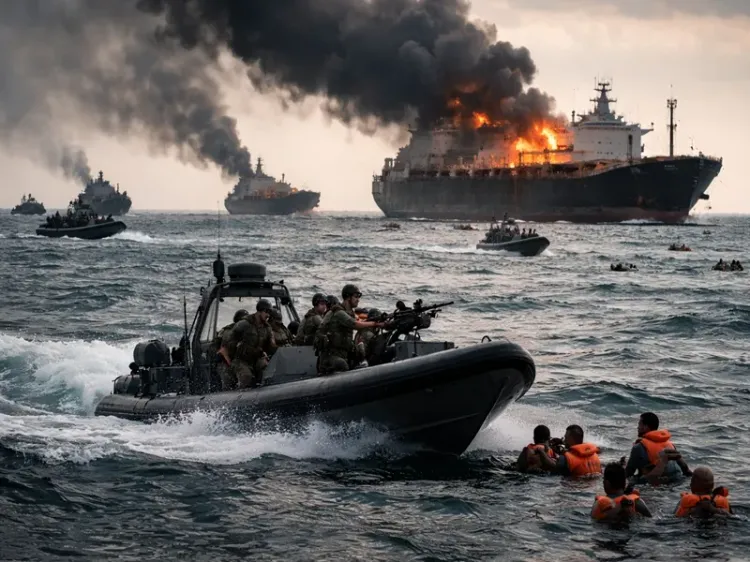
Synopsis
The maritime security situation in the Persian Gulf has reached alarming levels, with attacks on commercial shipping leading to casualties and rescues. This article delves into the unfolding crisis and its implications for global energy supply chains.
Key Takeaways
Five fatalities reported in recent maritime incidents.
Sixty-nine individuals successfully rescued from affected vessels.
Ten vessels have been directly hit by attacks.
Severe GNSS and GPS jamming complicate navigation.
A significant impact on global energy supply chains is anticipated.
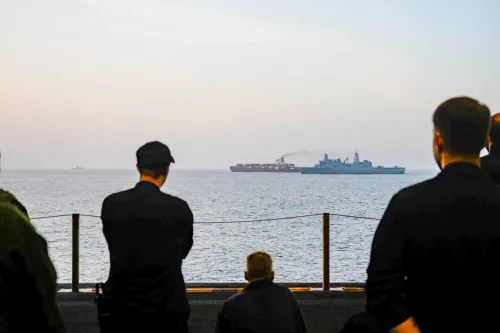
New Delhi, March 5 (NationPress) The maritime security landscape in the Persian Gulf, Strait of Hormuz, and Gulf of Oman has sharply declined as of Thursday. Recent reports from the Information Fusion Centre-Indian Ocean Region indicate a rise in assaults on commercial shipping amidst ongoing military conflicts.
Tragically, five lives have been lost in these incidents. Casualties have been reported from various vessels, including Hercules Star, which was struck near Mina Saqr in the UAE on March 1, and Stena Imperative, a US-flagged tanker, which suffered a fire after being hit at a Bahrain port. Other affected vessels include Ocean Electra near Sharjah, Skylight, Athe Nova, and Libra Trader.
Among the deceased, three Indian seafarers aboard foreign-flagged ships have been confirmed killed, with one additional individual injured. On a brighter note, sixty-nine people have been successfully rescued from the impacted vessels.
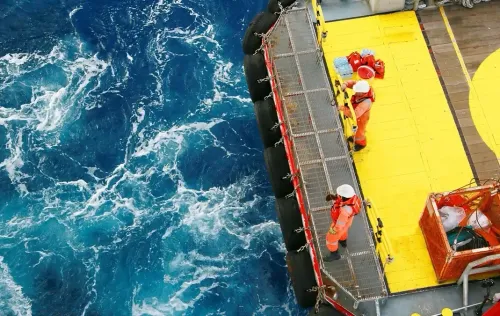
Rescue operations involved crews from Libra Trader on March 3, LCT Ayeh on March 2, Safeen Prestige on March 4, Gold Oak on March 3, and MKD Vyom on March 1.
These rescues showcase coordinated search-and-rescue efforts under particularly challenging circumstances.
Ten vessels have been directly struck by projectiles, missiles, or drones, while three additional incidents involved nearby explosions.
The targeted ships include Hercules Star, Stena Imperative, Ocean Electra, Athe Nova, Skylight, Libra Trader, and several others primarily near UAE waters and the approaches to Bahrain.
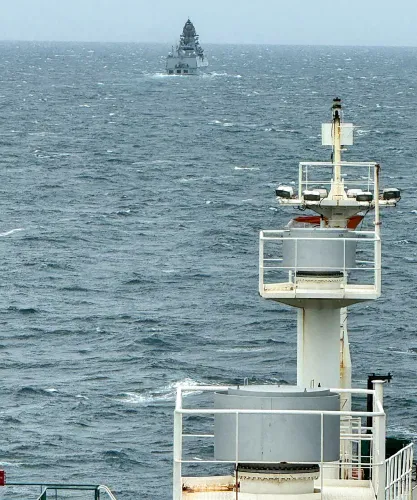
Severe GNSS and GPS jamming, along with AIS disruptions, continue to hinder navigation in the area. Anchorages and coastal approaches are heavily congested as hundreds of vessels, including oil tankers and LNG carriers, opt to hold position rather than risk transit.
Movement of vessels through the Persian Gulf has nearly come to a halt, significantly impacting traffic through the Strait of Hormuz, which usually accommodates approximately twenty percent of the world's seaborne oil. Many shipping companies are rerouting via longer alternatives and facing hefty insurance surcharges. The scale of attacks has also extended to port infrastructure and vessels docked in harbors.
Authorities in India report that thirty-seven Indian-flagged ships carrying a total of 1,109 seafarers are currently stranded in the Persian Gulf, Gulf of Oman, and surrounding waters due to restricted passage.
The Indian Navy, Ministry of External Affairs, Information Fusion Centre-Indian Ocean Region, and Maritime Rescue Coordination Centres are closely coordinating to monitor developments and provide necessary assistance.
The Information Fusion Centre-Indian Ocean Region strongly advises all merchant vessels to adhere to the prescribed measures in Best Management Practices for Maritime Security and adjust them as needed on a case-by-case basis.
Vessels requiring assistance are encouraged to contact the centre directly. The situation remains highly fluid, with the potential for further escalation, posing serious risks to global energy supply chains and the safety of seafarers operating in the region.
Point of View
It's crucial to highlight the urgent need for coordinated international efforts to ensure the safety of seafarers and secure maritime routes while addressing the ongoing military hostilities.
NationPress
24 Sept 2026
Frequently Asked Questions
What is causing the maritime crisis in the Persian Gulf?
The crisis is primarily due to an increase in attacks on commercial shipping amid ongoing military conflicts in the region.
How many vessels have been affected?
At least ten vessels have been directly hit by projectiles, missiles, or drones, while several others have suffered nearby explosions.
What measures are being taken to assist stranded vessels?
The Indian Navy and relevant authorities are coordinating to monitor the situation and provide necessary assistance to stranded vessels.
What are the implications for global energy supply?
The situation poses serious risks to global energy supply chains, as the Persian Gulf is a critical route for seaborne oil.
How many Indian seafarers are affected?
Currently, 1,109 Indian seafarers are stranded on 37 Indian-flagged ships in the Persian Gulf and surrounding waters.