Middle East Tensions Expected to Boost Safe-Haven Assets
Synopsis
As the situation in the Middle East intensifies, safe-haven currencies like the dollar and gold are set to rise. The ongoing US-Iran conflict poses risks to global oil trade, with potential implications for inflation and recession.
Key Takeaways
Safe-haven currencies like the dollar and yen are expected to rally.
Equity sentiment may decline due to US-Iran tensions .
Disruptions in the Strait of Hormuz could impact global oil trade.
Predictions suggest crude oil prices could reach $100–150 per barrel .
The lack of strategic clarity raises risks of another 'forever war' .
New Delhi, March 4 (NationPress) As tensions escalate in the Middle East, safe-haven currencies such as the dollar, yen, and gold are predicted to experience a rally, while equity sentiment may decline due to supply chain disruptions linked to the ongoing US-Iran conflict, according to a report released on Wednesday.
The analysis from DBS Bank indicates that spreads in sovereign and corporate bonds could widen as investors react, while monetary policy is likely to remain unchanged in the short term.
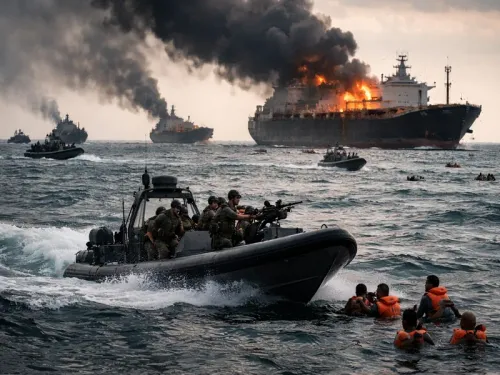
Taimur Baig, Chief Economist at DBS Bank, cautioned that although the Iranian Navy's warships present minimal danger, the potential for mine deployment and asymmetric attacks in the Strait of Hormuz could hinder shipments and escalate costs for insurance, shipping, and energy.
“With Kurdish groups in the north and Baluchis in the south, any regime change might lead to conflicts of separation, drawing in various nations including Turkey and Iraq,” Baig noted.
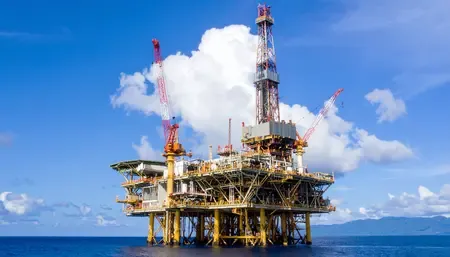
A prolonged closure of the Strait of Hormuz would significantly disrupt the global oil trade, especially since the spare oil capacity from Gulf producers is reliant on this passage, the bank reported.
In the case of a full-blown crisis, the strategic reserves in the US would likely be inadequate to mitigate the impact, the report stated.
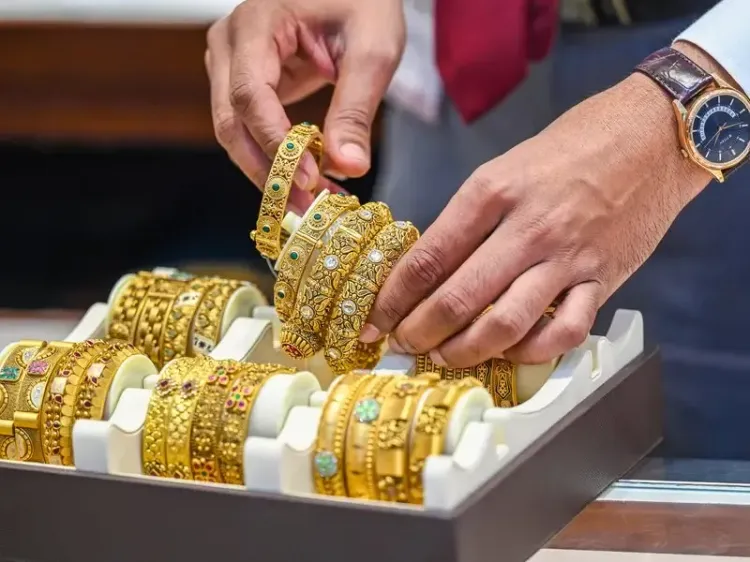
DBS Bank predicts that crude oil could soar to $100–150 per barrel in an extreme scenario involving a complete blockage of the Strait, which would heighten inflation expectations, limit the Federal Reserve's ability to lower interest rates, and increase the risk of a global recession. Hou Wey Fook, Chief Investment Officer of DBS Bank, stated that a shift towards safe-haven assets would benefit treasuries and gold.
“We do not believe that silver can effectively substitute for gold in a portfolio as a risk diversifier, given that about 60% of silver's demand comes from industrial uses and it has a smaller market size,” he added.
The bank warned that the absence of a strategic vision and clarity raises the risk of the US becoming entangled in another 'forever war.'
Point of View
The escalating tensions in the Middle East necessitate serious attention, as they pose risks not just to regional stability but also to global economic health. The potential for increased oil prices and market volatility demands informed responses and strategies.
NationPress
12 Oct 2026
Frequently Asked Questions
What are safe-haven assets?
Safe-haven assets are investments that are expected to retain or increase in value during times of market turmoil, including currencies like the dollar and yen, as well as commodities like gold.
How does the US-Iran conflict affect global markets?
The US-Iran conflict can lead to disruptions in oil supply, increased shipping costs, and heightened inflation, all of which can negatively impact global financial markets.
What is the Strait of Hormuz's significance?
The Strait of Hormuz is a crucial passageway for oil shipments, with a significant portion of the world's petroleum passing through it. Any conflict in this area can disrupt global oil trade.
What might happen if oil prices rise significantly?
If oil prices rise significantly, it could lead to increased inflation, reduced consumer spending, and potentially a global recession.
Why is silver not considered a good substitute for gold?
Silver is primarily used in industrial applications, making it less effective as a risk diversifier compared to gold, which is seen as a stable store of value.