Measles Health Alert Issued in Sydney as Cases Surge

Synopsis
On March 4, Sydney's health authorities issued an urgent measles alert for western Sydney due to a significant rise in confirmed cases. Residents are urged to be vigilant for symptoms of this highly contagious disease.
Key Takeaways
Health alert issued for western Sydney due to rising measles cases.
23 confirmed cases reported in NSW since 2026 began.
Measles symptoms include fever and rash.
Vaccination is essential for prevention.
Community vigilance is crucial to control spread.
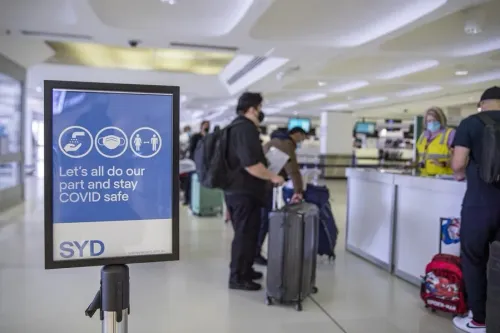
Sydney, March 4 (NationPress) - In response to the rising number of confirmed measles cases, authorities in New South Wales (NSW), Australia, have issued a health alert specifically for western Sydney. The NSW Department of Health, in a warning released on Tuesday evening, informed the public to stay vigilant for measles symptoms following the report of a confirmed case that had no known exposure to this highly infectious airborne virus.
The health department noted, "Given the unknown source of the infection, measles may currently be spreading within the community, posing a risk of inadvertent exposure to others." The confirmed individual visited multiple locations across western Sydney while infectious at the end of February, including various medical facilities.
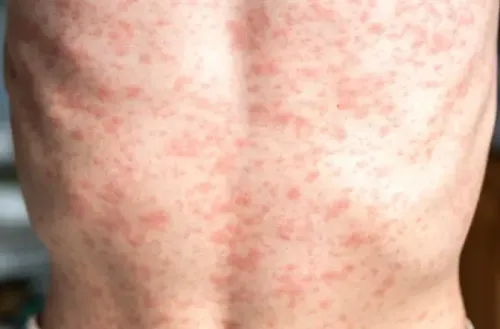
Individuals who were present at the same locations during the specified timeframe have been advised to watch for symptoms such as fever, runny nose, sore eyes, and a red blotchy rash for a period of 18 days, as reported by Xinhua news agency.
This alert marks the fourth measles notification for Sydney since February 21. Since the beginning of 2026, there have been a total of 23 confirmed cases in NSW.
Data from the Australian Centre for Disease Control's National Notifiable Disease Surveillance System indicates that NSW had 37 measles cases throughout the entire year of 2025.
Measles is recognized as one of the most contagious diseases globally, transmitted through contact with droplets from an infected person's nasal or throat secretions (coughing or sneezing) or by inhaling air that someone with measles has recently exhaled. The virus can remain viable and contagious in the air or on surfaces for up to two hours, making it exceptionally infectious—one infected individual can potentially lead to 18 secondary cases.
Vaccination remains the most effective means of preventing measles infection and stopping its spread. The vaccine is considered safe and equips your immune system to combat the virus.
Point of View
We recognize the importance of public health alerts. The rise in measles cases in Sydney highlights an urgent need for vigilance and awareness within the community. Accurate information and prompt action can significantly impact public health.
NationPress
19 Sept 2026
Frequently Asked Questions
What are the symptoms of measles?
Common symptoms include fever, runny nose, sore eyes, and a red blotchy rash.
How is measles transmitted?
Measles is transmitted through infected nasal or throat secretions, or by inhaling air contaminated by an infected person.
What should I do if I was at an exposure site?
Monitor for symptoms for 18 days and seek medical advice if symptoms appear.
How can measles be prevented?
Vaccination is the most effective way to prevent measles and its spread.
How contagious is measles?
Measles is one of the most contagious diseases, with the potential for one infected person to cause up to 18 secondary infections.