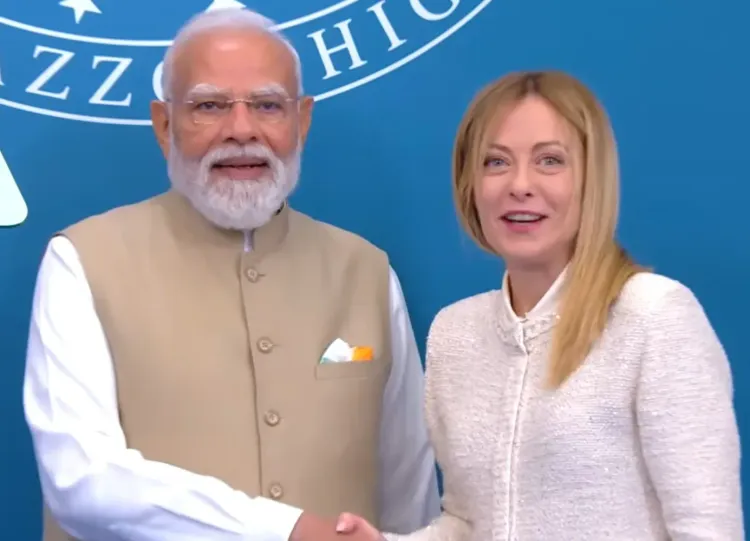
Italian PM Meloni quotes Hindi proverb in Rome meet with Modi
Synopsis
Italian PM Giorgia Meloni didn't just welcome Modi to Rome — she quoted a Hindi proverb to make her point. The 'Parishram' moment, coming a day after Iceland's PM praised the word 'Sambandh' in Oslo, reveals a pattern: India's soft power is finding unexpected champions at the highest levels of European diplomacy.
Key Takeaways
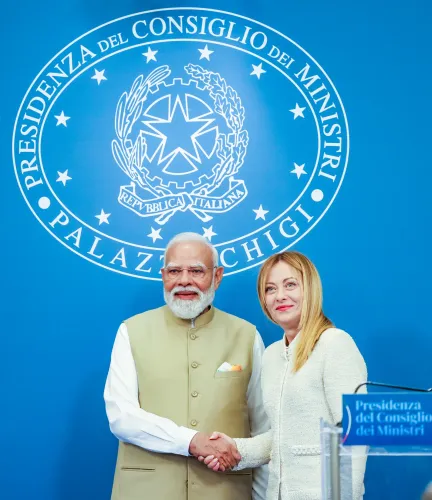
Italian PM Giorgia Meloni quoted Hindi proverb 'Parishram hi safalta ki kunji hai' at a joint press conference with PM Narendra Modi in Rome on 20 May .
Meloni described Modi's visit as opening a 'new chapter' in India-Italy bilateral ties.
A day earlier, Iceland PM Kristrun Frostadottir expressed fondness for the Hindi-Norse word 'Sambandh' at the third India-Nordic Summit in Oslo .
PM Modi noted that 'Sambandh' carries the same meaning — connection or bond — in both Hindi and several Nordic languages.
The incidents are part of PM Modi's five-nation tour , highlighting India's growing diplomatic and soft power outreach.
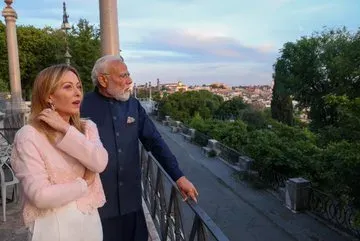
Italian Prime Minister Giorgia Meloni on Wednesday, 20 May invoked the popular Hindi proverb 'Parishram hi safalta ki kunji hai' — meaning 'hard work is the key to success' — while addressing a joint press conference with Prime Minister Narendra Modi in Rome, underscoring the deepening cultural and diplomatic ties between India and Italy.
Meloni's Hindi Moment
Speaking alongside Modi after their bilateral talks, Meloni said: 'There is an Indian word which states that very well, which is Parishram. Parishram, which means hard work and constant commitment, is a word which I know is very often used in India, and it is often used in a very popular way of saying, Parishram hi safalta ki kunji hai, which means hard work is the key to success, and we are used to building our relations in this way, with hard work which becomes success at the end.'
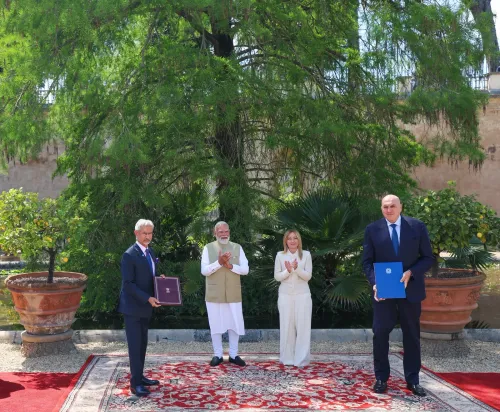
Meloni also expressed gratitude to Modi, stating that his visit to Italy would 'open a new chapter' in bilateral ties and would 'certainly not be the last' in the long journey both nations are building together with commitment and resolve.
Context: Modi's Five-Nation Tour
The Rome meeting forms part of Prime Minister Modi's five-nation visit, which has spotlighted India's expanding diplomatic footprint and the growing resonance of Hindi expressions among world leaders. The tour has been widely noted as a demonstration of India's strengthening soft power outreach on the global stage.
Iceland PM's 'Sambandh' Connection
A day earlier, on Tuesday, a similar linguistic bridge emerged at the third India-Nordic Summit in Oslo. Iceland's Prime Minister Kristrun Frostadottir expressed her fondness for the Hindi-Norse cognate 'Sambandh' — meaning connection, relations, or bond — which Modi had repeatedly used in his address to Nordic leaders.
'I love that word, Sambandh. I am not going into depths into other languages here, but this is a purely Icelandic word, and people will be very devoted to this language. Prime Minister Modi, this is what people need; they need more Sambandh today,' Frostadottir said at the joint press meet following the summit.
Modi himself noted the linguistic parallel: 'Today, I used the word Sambandh many times. In several Nordic languages, the word Sambandh means connection, relations, or a bond. In Hindi too, Sambandh carries the same meaning. This is not just a similarity of words; it reflects the closeness of our thoughts.'
What This Signals
The repeated use of Hindi words by foreign heads of government — whether in Oslo or Rome — reflects a deliberate diplomatic signalling that aligns with India's broader push to elevate Hindi on the world stage. Notably, this comes as India has been assertively promoting its cultural identity in multilateral forums. Modi called on leaders to 'deepen the bonds between us in every field and make the India-Nordic partnership a model of shared prosperity, innovation, and a sustainable future.'
As Modi's European leg of the tour concludes, both the Italy and Nordic engagements point to a foreign policy posture that is as much about cultural diplomacy as strategic alignment.
Point of View
And India is clearly encouraging it. The soft power play is effective precisely because it is subtle: foreign leaders adopting Indian vocabulary signals cultural respect without requiring a treaty. Yet the diplomatic substance behind the symbolism — what India and Italy actually agreed on in Rome, and what the Nordic summit produced beyond warm words — deserves equal scrutiny. Linguistic diplomacy is a useful opener; it is the follow-through on trade, technology, and strategic alignment that will determine whether this 'new chapter' Meloni speaks of amounts to more than a memorable quote.
NationPress
10 Oct 2026
Frequently Asked Questions
What Hindi proverb did Italian PM Meloni quote during PM Modi's Rome visit?
Meloni quoted 'Parishram hi safalta ki kunji hai', meaning 'hard work is the key to success', at a joint press conference with PM Modi in Rome on 20 May. She used it to describe how India and Italy are building their bilateral relationship — with hard work that ultimately becomes success.
What was the significance of PM Modi's visit to Italy?
Modi's Rome visit is part of a five-nation tour aimed at deepening India's global diplomatic ties. Meloni described the visit as opening a 'new chapter' in India-Italy relations and said it would 'certainly not be the last' in their shared journey.
What happened at the India-Nordic Summit in Oslo regarding Hindi?
At the third India-Nordic Summit in Oslo on Tuesday, Iceland's PM Kristrun Frostadottir expressed her fondness for the word 'Sambandh', which Modi had used repeatedly. Modi noted that 'Sambandh' means the same thing — connection or bond — in both Hindi and several Nordic languages.
What does 'Sambandh' mean, and why did it resonate with Nordic leaders?
'Sambandh' means connection, relations, or bond in Hindi. PM Modi pointed out that the word also exists in several Nordic languages with the same meaning, calling it a reflection of shared values rather than mere linguistic coincidence.
How does this fit into India's broader soft power strategy?
The repeated adoption of Hindi words by European leaders during Modi's tour reflects India's growing cultural diplomacy. It forms part of a wider effort to elevate Hindi and Indian cultural identity in international forums, complementing India's strategic and economic outreach.