Is Pakistan Facing a Mental Health Crisis with Rising Suicides?
Synopsis
The alarming rise in suicides among students in Pakistan reveals a deeper mental health crisis. With inadequate data and institutional dismissal of the issue, the societal stigma surrounding suicide remains. This article delves into the tragic story of Muhammad Awais Sultan and the urgent need for systemic changes.
Key Takeaways
Suicide Rate: Increased to 9.8 per 100,000 in 2022.
Younger Victims: 70% of suicides are among those aged 15-29.
Stigma and Silence: Societal attitudes toward suicide prevent open discussions.
Lack of Data: No national database tracking suicides in Pakistan.
Call for Change: Need for systemic reforms in mental health support.
Islamabad, Jan 26 (NationPress) The lack of comprehensive data surrounding suicides enables universities in Pakistan to portray these tragedies as isolated occurrences rather than signs of challenging environments, a recent report has highlighted.
Last month, a 22-year-old student, Muhammad Awais Sultan, who was in his fifth semester of Pharm D at a private university in Lahore, tragically died by suicide.
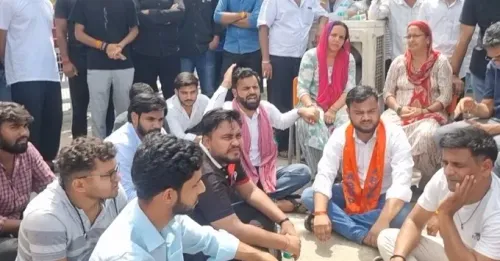
Classmates revealed that Awais was facing difficulties in adhering to attendance policies and had repeatedly sought leniency from officials, but his appeals were denied. Following his death, students organized protests demanding a thorough investigation. The university promised an initial inquiry report within 15 days, yet weeks have passed with no updates.
A report by 'The Express Tribune' mentioned, "When classmates tried to discuss Awais and the potential factors leading to his suicide, mainly academic pressure, they were dismissed with remarks like, 'He must have been facing personal issues.' This attitude underscores a broader societal perspective on suicide, isolating the tragedy from its context and allowing institutions to evade accountability."
Students advocating for Awais were belittled and treated as misbehaving children, rather than grieving friends. In the aftermath of Awais’s passing, suicide became a topic of jest in academic circles. Students reported being teased for poor grades with comments such as, 'You won’t take your life over this, will you?'
To appease the protesting students, the university made minor concessions like reduced fines for missing student cards and lower outpatient medical fees. However, there was no genuine dialogue between the administration and students, who faced strict repercussions for demanding accountability.
Just weeks after Muhammad Awais Sultan's death, another student attempted suicide at the same institution. Ahsan Javed, a student leader involved in the protests, remarked that the second incident might have been averted had the first suicide been taken seriously.
"The perception that suicide is contagious is often used to justify silence. However, in this instance, it seems that silence itself poses a risk. The language surrounding suicide on campuses is revealing; it leans toward criminality, emphasizing malicious intent, which breeds stigma rather than compassion," stated an article in The Express Tribune magazine.
"Historically, suicide was classified as a crime in Pakistan. Until 2022, attempted suicide was punishable under the Pakistan Penal Code. The legal change has not led to a shift in societal attitudes; suicide is still viewed as a moral failing and a religious violation," it added.
The mental health crisis, particularly the rise in suicides, in Pakistan is alarming. A National Psychiatric Morbidity Survey conducted in 2022 indicated a lifetime prevalence of mental disorders at 37.91%. The suicide rate rose to 9.8 per 100,000 individuals in 2022, reflecting an increasing trend.
Estimates from the World Health Organization (WHO) suggest that approximately 50-55 people die by suicide each day in Pakistan, with 70% of these cases involving young individuals aged 15-29.
A study by the Aga Khan University (AKU) highlighted police records from three districts in Pakistan-occupied Gilgit Baltistan, showing 340 recorded suicides from 2012-2022, with 40% of victims under 20. However, Ahsan Mashhood, a DPhil student at Oxford University studying suicide from a public health perspective, emphasized that these figures are severely underreported.
The Express Tribune magazine reported, "The lack of reliable data complicates meaningful intervention. Pakistan lacks a comprehensive national database to track suicides, especially student suicides or suicidal thoughts. To date, neither the police nor any NGOs have compiled relevant records. The few media reports available are significantly underreported."
"The country also fails to conduct psychological autopsies, leaving families, researchers, and policymakers without insights into the reasons behind suicide. This lack of data permits universities to treat these deaths as isolated events, rather than as indicators of toxic environments," it concluded.
Point of View
It is imperative that we shed light on the rising mental health crisis in Pakistan. The tragic incidents surrounding student suicides underscore the urgent need for systemic reform within our educational institutions. We must advocate for comprehensive data collection and a compassionate approach to mental health support, ensuring that no student feels isolated in their struggles.
NationPress
21 Sept 2026
Frequently Asked Questions
What is the current suicide rate in Pakistan?
As of 2022, the suicide rate in Pakistan has increased to 9.8 per 100,000 population.
What percentage of suicide victims in Pakistan are young people?
Approximately 70% of suicide victims in Pakistan are aged between 15 and 29.
Why is suicide often treated as an isolated incident in universities?
The absence of comprehensive data allows universities to frame suicides as isolated events rather than symptoms of a larger mental health crisis.
What legal changes have occurred regarding suicide in Pakistan?
Until 2022, attempted suicide was criminalized in Pakistan. It was decriminalized, but societal stigma remains.
How can we address the mental health crisis in Pakistan?
Addressing the crisis requires comprehensive data collection, open discussions about mental health, and the implementation of supportive policies in educational institutions.