Pakistan's Alarming Youth Crisis: Surging Drug Abuse and Suicides
Synopsis
Pakistan is confronting a profound crisis as youth drug abuse and suicide rates soar. A recent study reveals alarming statistics and highlights the urgent need for intervention to address the underlying cultural issues perpetuating this emergency.
Key Takeaways
48% of young users abuse heroin.
35% began using drugs in adolescence.
Suicide is the fourth leading cause of death under 30.
44% of university students reported drug use.
Over 70% of addicts are above 35.
Islamabad, Feb 28 (NationPress) Pakistan is currently facing an escalating crisis involving youth drug abuse and increasing rates of suicide, as highlighted by local media sources referencing a 2025 systematic review of rehabilitation cases.
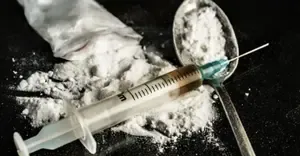
The findings reveal that heroin constitutes 48% of substance abuse cases among young individuals, while cannabis accounts for 28%, emphasizing the distressing extent of addiction within the nation's youth demographic.
The research indicates that 35% of these young users initiated drug use during their teenage years, and 46% were diagnosed with co-occurring depression.
A 2024 survey conducted at Karachi University disclosed that 44% of university and college students reported engaging in drug use, with 53% of males and 31% of females admitting to such behavior, alongside a notable rise in online purchases, as reported by The Express Tribune.
Suicide has now become the fourth leading cause of death among those under 30 in Pakistan. Adolescents aged between 15 and 18 are particularly at risk, with poisoning and hanging identified as prevalent methods. Unfortunately, reliable monthly statistics remain elusive, primarily due to the stigma and criminalization surrounding suicide.
The Anti-Narcotics Force of Pakistan has indicated that millions aged 18 to 31 are at a potential risk, despite existing methodological gaps; the broader trend is unmistakable, according to The Express Tribune.
A longitudinal clinical review conducted in 2025, covering a span of fifteen years, documented an increase in drug positivity rates, with cannabis detected in more than 20 to 30% of tested samples, followed by opioids and benzodiazepines.
Over 70% of identified addicts were above the age of 35. Factors such as economic hardship, easy access to Afghan-sourced cannabis and heroin, and untreated mental health issues are contributing to this escalating crisis.
According to the United Nations Office on Drugs and Crime, an estimated 6.7 to 7.6 million individuals across Pakistan, approximately six percent of the population, are currently using drugs, with around four million in need of structured treatment.
Among the provinces, Khyber-Pakhtunkhwa reported a drug prevalence rate of 11%. Suicide rates, based on WHO data from 2019 and 2021, stand at around 8.9 per 100,000, with male rates exceeding female rates by more than three times—resulting in an estimated 15 to 35 deaths daily.
Data from Punjab from 2016 to 2020 indicated that individuals aged 19 to 39 represented nearly 39% of reported suicide cases, with poisoning and strangulation being the most common methods, while poverty and domestic conflict emerged as significant underlying factors.
“The silent emergency in Pakistan transcends mere statistics. It is deeply cultural. It manifests in our communication with children, our definitions of success, our responses to failure, and our tendency to label vulnerability as weakness. Unless we confront these foundational issues, the numbers will persist in their ascent, sporadically recorded and insufficiently debated,” stated The Express Tribune.
Point of View
The troubling trends in youth drug abuse and suicide rates reflect a critical societal issue that demands immediate attention. The intersection of addiction, mental health, and socio-economic factors calls for a comprehensive approach to tackle these challenges head-on.
NationPress
26 Sept 2026
Frequently Asked Questions
What is the primary substance abused among Pakistani youth?
Heroin is the primary substance abused, accounting for 48% of cases among young users.
What percentage of young drug users began using in adolescence?
35% of young drug users began their substance use during their teenage years.
How prevalent is suicide among young Pakistanis?
Suicide has become the fourth leading cause of death among individuals under 30 in Pakistan.
What are the common methods of suicide among adolescents in Pakistan?
Poisoning and hanging are the most common methods identified among adolescents.
How many people in Pakistan are estimated to use drugs?
Approximately 6.7 to 7.6 million people use drugs in Pakistan.