Is Drug Abuse Eroding Pakistan's Socioeconomic Framework?
Synopsis
A recent report unveils the alarming situation of drug abuse in Pakistan, highlighting its severe impact on the nation's socioeconomic structure. With millions affected, the need for a comprehensive strategy to combat this crisis is more pressing than ever.
Key Takeaways
Drug abuse in Pakistan affects approximately 6.7 million people.
Cannabis is the most commonly abused substance.
Youth are particularly vulnerable due to societal pressures.
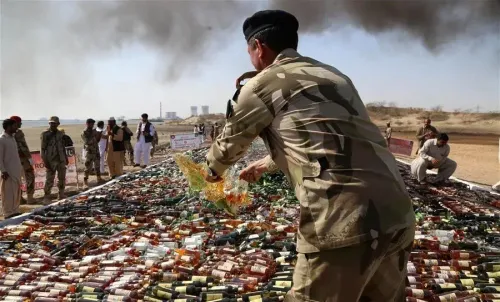
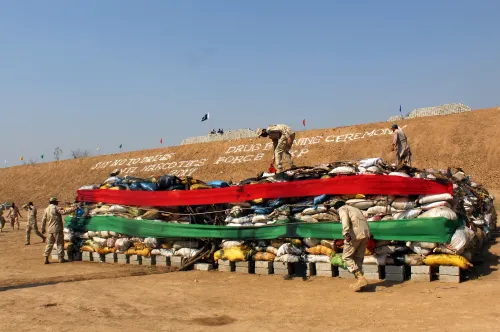
Law enforcement agencies are enhancing collaboration to combat drug trafficking.
Comprehensive prevention and rehabilitation strategies are urgently needed.
Islamabad, Feb 1 (NationPress) Drug abuse is persistently destabilizing Pakistan's socioeconomic framework and represents one of the most significant challenges the nation faces, according to recent findings.
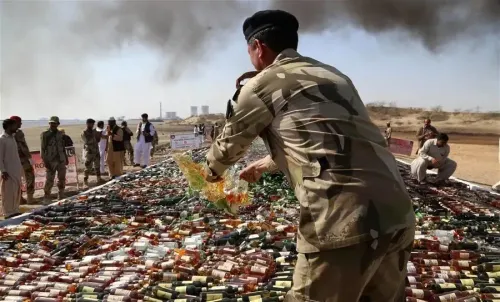
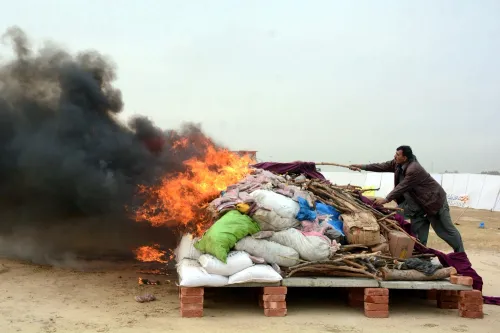
Approximately 6.7 million individuals in Pakistan are involved in the misuse of controlled substances, with cannabis being the most frequently consumed drug, while heroin addiction impacts hundreds of thousands, as per the latest official data from the United Nations.
Consequently, drugs like cannabis, opioids, cocaine, and various synthetic narcotics not only jeopardize individual health but also endanger public safety and national stability. A report published in Pakistan Today emphasized that: "Drug abuse has evolved into a profound societal crisis that is continually undermining Pakistan’s socioeconomic foundation and represents one of the most pressing issues of our era."
The youth of Pakistan, who make up 64 percent of the total population, are particularly at risk, as factors like peer pressure, family conflicts, academic stress, unemployment, and societal instability often lead them to adopt harmful coping mechanisms. The report suggests that Pakistan must renew its commitment to fostering a resilient community, enhancing educational and employment prospects for the youth, and improving inter-agency collaboration to dismantle domestic and international drug trafficking networks. Law enforcement agencies, including the Anti-Narcotics Force (ANF), customs officials, paramilitary units, and community organizations, need to unite efforts to undermine the profitability and prevalence of drug abuse and illicit trafficking.
Geographically, due to its strategic position within the Golden Crescent, Pakistan, along with Afghanistan and Iran, holds a unique position as both a transit and consumption area for opiates, especially heroin and opium sourced from Afghanistan. Historically, the Golden Crescent has outpaced the Southeast Asian Golden Triangle (comprising Burma, Thailand, and Laos) in global narcotics production. As a result, a considerable volume of Afghan opiates intended for international markets continues to transit through Pakistan’s terrestrial and maritime routes, as noted by the report from Pakistan Today.
In response to this issue, Pakistan's law enforcement agencies have expanded their operational capabilities to address the crisis. Regional Police Officer (RPO) Faisalabad, Sohail Akhtar Sukhera, has implemented strategies to combat crime and dismantle drug networks at the grassroots level.
Under his leadership, intelligence-driven operations and targeted raids have been executed in Faisalabad and surrounding areas, leading to the apprehension of thousands involved in criminal acts, including professional drug dealers, repeat offenders, and addicts, according to the report by Pakistan Today. Additionally, Sukhera has established an activity-based intervention model aimed at bolstering confidence, resilience, and decision-making capabilities among students, empowering them to resist peer pressure and avoid negative behaviors such as drug and substance abuse.
Legally, the Control of Narcotic Substances Act (CNSA) of 1997 serves as the legal backbone for prosecuting drug traffickers, imposing life imprisonment or even the death penalty for trafficking significant quantities of banned narcotics. However, simply imposing lengthy prison sentences is inadequate to diminish demand; comprehensive prevention initiatives, enhanced rehabilitation services, and the de-stigmatization of those seeking treatment are critically necessary, as highlighted in the report.
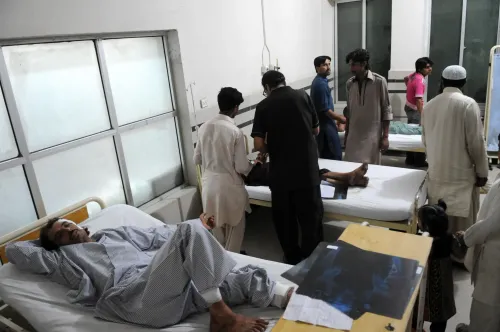
Beyond health implications, the drug trade incurs social and economic consequences. Illicit drugs erode community trust, foster crime, breed corruption, and divert funds into informal economies, thereby hindering legitimate growth. Simultaneously, families and healthcare systems encounter severe pressure, particularly in regions where social support structures and medical facilities are insufficient or nonexistent.
Point of View
I emphasize the necessity for a united front against drug abuse in Pakistan. This issue transcends individual health, impacting the very fabric of our society. A collective approach involving law enforcement, community leaders, and policymakers is essential to foster a resilient future for our youth and the nation.
NationPress
24 Sept 2026
Frequently Asked Questions
What is the scale of drug abuse in Pakistan?
Approximately 6.7 million people in Pakistan are reported to be abusing controlled drugs, with cannabis and heroin being the most common substances.
What are the main factors contributing to drug abuse among youth?
Factors such as peer pressure, family discord, academic stress, and unemployment significantly contribute to drug abuse among the youth in Pakistan.
What measures are being taken to combat drug trafficking?
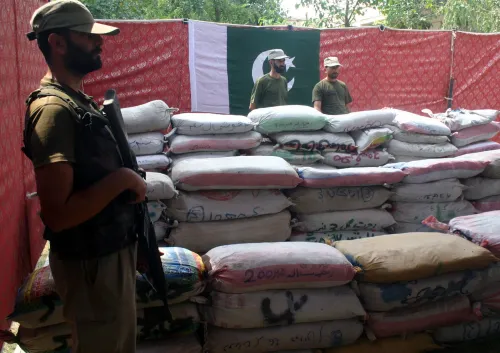
Law enforcement agencies, including the Anti-Narcotics Force, are increasing operational reach through intelligence-based operations and inter-agency coordination.
How does drug abuse affect the economy?
The drug trade undermines community trust, fosters crime and corruption, and diverts resources from legitimate economic growth, placing immense pressure on families and healthcare systems.
What legal framework exists for prosecuting drug traffickers?
The Control of Narcotic Substances Act of 1997 provides the legal basis for prosecuting drug traffickers, including severe penalties for significant trafficking.