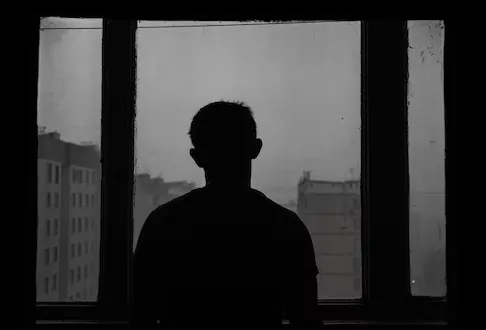
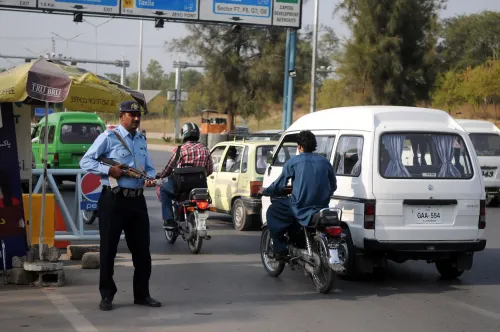
Pakistan court restores suicide attempt penalties, alarming psychiatrists

Synopsis
Pakistan's Federal Shariat Court has reversed a 2022 reform and restored criminal penalties for attempted suicide — a move that psychiatrists warn will deter vulnerable people from seeking help at a time when the country is already facing a deepening mental health crisis. The Pakistan Psychiatric Society has appealed to the Supreme Court, making this a defining test of how the legal system engages with psychological illness.
Key Takeaways
Pakistan's Federal Shariat Court struck down the Criminal Laws (Amendment) Act, 2022 , restoring Section 325 of the Pakistan Penal Code on attempted suicide.
The court ruled in May 2025 that the earlier decriminalisation was inconsistent with Islamic principles.
Survivors of suicide attempts may once again face criminal prosecution under the reinstated law.
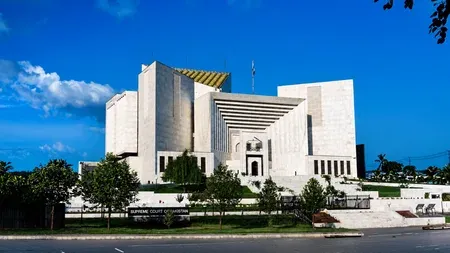
The Pakistan Psychiatric Society has filed an appeal before the Shariat Appellate Bench of the Supreme Court .
Mental health professionals warn the ruling will discourage families from reporting incidents and delay medical assistance.
Pakistan is reportedly facing a growing mental health crisis, with access to treatment limited and stigma deeply entrenched.
A landmark ruling by Pakistan's Federal Shariat Court in May 2025 has restored criminal penalties for attempted suicide, triggering sharp criticism from the country's psychiatric community, legal experts, and rights advocates who argue the decision runs counter to global mental health standards. The judgement effectively reverses a landmark decriminalisation effort and raises urgent questions about how Pakistan's legal institutions treat psychological distress.
What the Court Decided
The Federal Shariat Court struck down amendments introduced through the Criminal Laws (Amendment) Act, 2022, which had removed attempted suicide from the Pakistan Penal Code. The court held that the repeal was inconsistent with Islamic principles and directed the restoration of Section 325. Under the reinstated provision, a person who survives a suicide attempt may once again face criminal prosecution.
Psychiatric Community Pushes Back
The Pakistan Psychiatric Society has filed an appeal before the Shariat Appellate Bench of the Supreme Court, contending that criminalising suicide attempts actively discourages vulnerable individuals from seeking medical help and undermines evidence-based psychiatric care. Mental health professionals argue that suicide attempts are overwhelmingly linked to clinical conditions — including depression, bipolar disorder, anxiety disorders, substance dependence, and psychological trauma — rather than to any criminal intent. They warn that the fear of prosecution could discourage families from reporting incidents and delay critical medical intervention.
Pakistan's Deepening Mental Health Crisis
The ruling arrives at a particularly fraught moment. According to reports, Pakistan is grappling with a growing mental health crisis driven by depression, anxiety, and compounding socioeconomic pressures affecting millions. While public awareness of mental illness has reportedly improved in recent years, access to treatment remains severely limited, stigma remains deeply entrenched, and healthcare infrastructure continues to struggle to meet demand. Critics argue the court's decision widens an already significant gap between legal frameworks and contemporary psychiatric understanding.
Global Context and Contradictions
Across the world, the dominant trend in mental health policy has moved decisively toward decriminalisation and care-first approaches. The World Health Organization and major psychiatric bodies have long advocated treating suicide attempts as a medical emergency rather than a criminal act. Pakistan's reversal, critics contend, places it at odds with this global consensus and risks deterring the very help-seeking behaviour that saves lives. Notably, the 2022 amendment that the court has now nullified was itself a step toward aligning Pakistan's legal code with international norms.
What Happens Next
The appeal filed by the Pakistan Psychiatric Society before the Supreme Court's Shariat Appellate Bench is now the principal legal avenue for reversing the ruling. Rights advocates and mental health professionals are watching the case closely, arguing that the outcome will have lasting consequences for how Pakistan's justice system engages with psychological illness. How the appellate bench rules could either entrench the criminalisation or open a path toward a more humane legal framework.
Point of View
It prevents reporting, and that silence costs lives. The Supreme Court's appellate bench now carries an outsized responsibility.
NationPress
5 Oct 2026
Frequently Asked Questions
What did Pakistan's Federal Shariat Court rule on attempted suicide?
The Federal Shariat Court struck down the Criminal Laws (Amendment) Act, 2022, which had decriminalised attempted suicide, and ordered the restoration of Section 325 of the Pakistan Penal Code. The court held that the earlier repeal was inconsistent with Islamic principles, meaning survivors of suicide attempts can once again face criminal prosecution.
What was the Criminal Laws (Amendment) Act, 2022?
It was a Pakistani legislative reform that removed attempted suicide from the country's penal code, aligning the legal framework more closely with global mental health standards. The Federal Shariat Court's May 2025 ruling nullified this amendment.
Why are psychiatrists opposing the court's decision?
The Pakistan Psychiatric Society and mental health professionals argue that suicide attempts are rooted in clinical conditions such as depression, bipolar disorder, and trauma — not criminal intent. They contend that criminalisation deters vulnerable individuals and their families from seeking medical help and undermines evidence-based psychiatric care.
What legal action has been taken against the ruling?
The Pakistan Psychiatric Society has filed an appeal before the Shariat Appellate Bench of the Supreme Court, challenging the Federal Shariat Court's decision. The outcome of that appeal is expected to have significant implications for mental health policy and legal practice in Pakistan.
How does Pakistan's ruling compare with global mental health practices?
The global consensus, backed by the World Health Organization and major psychiatric bodies, favours decriminalisation of suicide attempts and a care-first approach. Pakistan's reversal places it at odds with this international trend, which treats suicide attempts as a medical emergency rather than a criminal act.