PM Modi gets grand welcome in Uzbekistan, women tie rakhi on state visit
Synopsis
On his fourth visit to Uzbekistan, PM Modi received a rakhi from diaspora women in Tashkent and was personally received at the airport by President Mirziyoyev — a rare protocol gesture. With delegation-level talks linking Viksit Bharat 2047 and Uzbekistan-2030, this visit signals India's deepening Central Asian pivot at a strategically critical moment.
Key Takeaways
PM Modi arrived in Tashkent on 29 August for a two-day state visit to Uzbekistan .
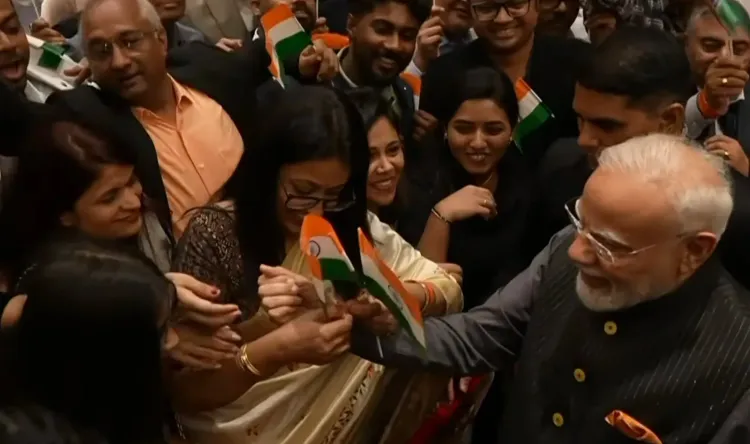
Indian diaspora members tied a rakhi on Modi's wrist; crowds chanted 'Vande Mataram' and 'Bharat Mata Ki Jai' .
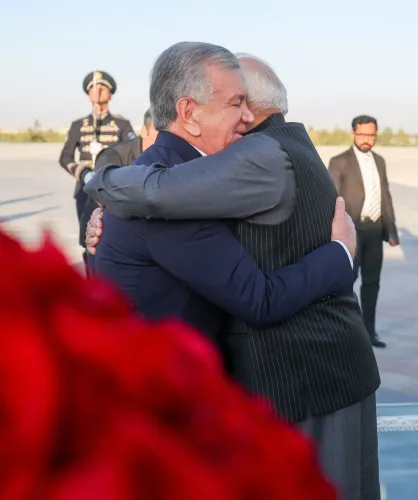
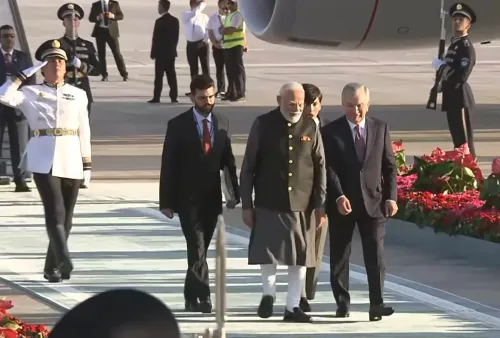
President Shavkat Mirziyoyev personally received Modi at Tashkent airport , reflecting 12 years of growing bilateral ties.
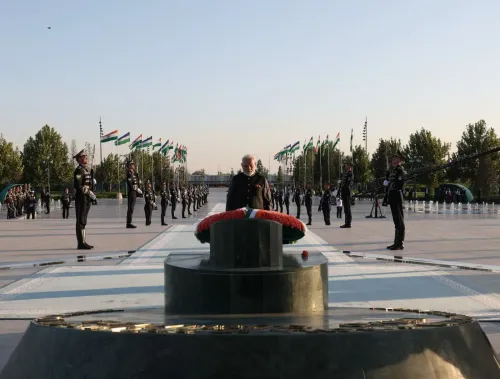
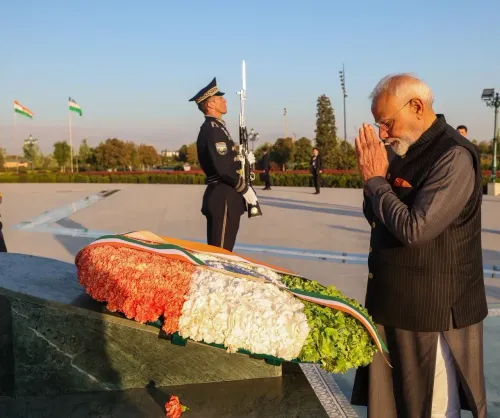
Modi laid a wreath at the Yangi Uzbekistan Monument alongside President Mirziyoyev.
This is Modi's fourth visit to Uzbekistan; delegation-level talks will cover trade, defence, digital connectivity , and energy .
The visit advances alignment between Viksit Bharat 2047 and Uzbekistan-2030 development frameworks.
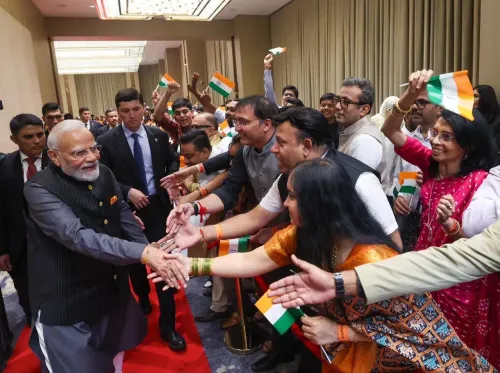
Prime Minister Narendra Modi arrived in Tashkent on Saturday, 29 August to a rousing reception from the Indian community in Uzbekistan, with crowds chanting 'Modi Modi', 'Vande Mataram', and 'Bharat Mata Ki Jai' as he greeted them. In a heartfelt gesture, several women from the Indian diaspora tied a rakhi on the Prime Minister's wrist, marking the occasion with a traditional Raksha Bandhan ritual far from home.
Arrival and Cultural Welcome
Modi was also treated to cultural performances by local artists, pausing to observe dance acts by children with visible interest before shaking hands with each of the young performers. The warm diaspora reception underscored the depth of the Indian community's ties with the Central Asian nation.
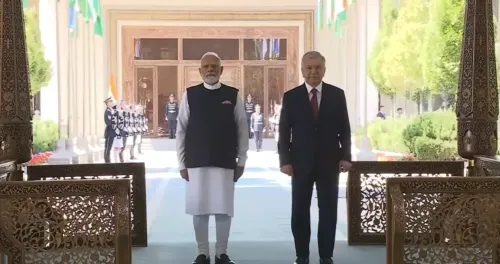
Uzbekistan President Shavkat Mirziyoyev made a personal gesture by travelling to Tashkent airport to receive Modi — a protocol distinction that officials noted reflects the strength of bilateral ties that have grown significantly over the past 12 years.
Yangi Uzbekistan Monument Visit
Shortly after landing, Modi and President Mirziyoyev visited the Yangi Uzbekistan Monument, where the Prime Minister laid a wreath. Modi described the monument as a symbol of Uzbek aspirations and progress. In a post on X, he wrote: 'Upon landing in Tashkent, went to lay a wreath at the Yangi Uzbekistan Monument with President Mirziyoyev. The Yangi Uzbekistan Monument reflects the aspirations and progress of the Uzbek people. Glad to begin my visit by coming here.'
The two leaders also walked through Yangi Uzbekistan Park, examining artwork depicting Uzbek culture and history.
What Modi Said Before Departure
In his departure statement from India, Modi had outlined the agenda for the two-day state visit, signalling intent to advance cooperation across trade and investment, digital connectivity, defence, and energy. He also noted alignment between India's Viksit Bharat 2047 vision and Uzbekistan's Uzbekistan-2030 development framework.
'In recent years, the India-Uzbekistan Strategic Partnership has seen significant advancement. I look forward to my discussions with President Mirziyoyev on further deepening our cooperation in trade and investment, digital connectivity, defence, energy, and on advancing our shared visions of Viksit Bharat and Yangi Uzbekistan,' Modi said.
Bilateral Talks and What Comes Next
This is Modi's fourth visit to Uzbekistan — a frequency that itself signals the elevated priority New Delhi places on Central Asian engagement. Delegation-level talks between the two sides are scheduled during the visit, with the India-Uzbekistan Strategic Partnership expected to be the central framework for discussions.
The visit comes as India deepens its diplomatic footprint across Central Asia, a region that sits at the crossroads of connectivity corridors linking South Asia, Russia, and China. With both nations aligned on development timelines extending to the mid-21st century, the outcome of this visit is likely to shape the bilateral agenda for years ahead.
Point of View
And Mirziyoyev's airport reception is the kind of protocol signal that New Delhi reads carefully and reciprocates. The rakhi moment will dominate social media, but the substance lies in the Viksit Bharat-Uzbekistan 2030 convergence: India needs Central Asian corridors for trade and energy diversification, and Uzbekistan needs Indian investment and digital infrastructure. What mainstream coverage tends to underplay is that this bilateral has moved well beyond symbolism — the question is whether the delegation-level talks produce binding commitments or another round of MoUs that stall at implementation.
NationPress
14 Oct 2026
Frequently Asked Questions
Why did PM Modi visit Uzbekistan on 29 August?
PM Modi travelled to Tashkent on 29 August for a two-day state visit to advance the India-Uzbekistan Strategic Partnership. The visit includes delegation-level talks with President Mirziyoyev covering trade, investment, defence, digital connectivity, and energy.
What was the significance of the rakhi gesture during Modi's Uzbekistan visit?
Several women from the Indian diaspora in Tashkent tied a rakhi on PM Modi's wrist during his community reception, coinciding with the Raksha Bandhan period. The gesture was a cultural expression of the diaspora's bond with the Prime Minister during his state visit.
How many times has PM Modi visited Uzbekistan?
This was PM Modi's fourth visit to Uzbekistan, a frequency officials say reflects the growing depth and momentum of bilateral relations between the two countries over the past 12 years.
What are the key agenda items for the India-Uzbekistan talks?
The delegation-level talks are expected to focus on trade and investment, digital connectivity, defence cooperation, and energy. Both sides are also expected to align their respective national development visions — India's Viksit Bharat 2047 and Uzbekistan's Uzbekistan-2030.
What did PM Modi say about the Yangi Uzbekistan Monument?
PM Modi said the Yangi Uzbekistan Monument 'reflects the aspirations and progress of the Uzbek people.' He laid a wreath there alongside President Mirziyoyev shortly after landing in Tashkent, calling it a fitting start to his visit.