PM Modi in Tashkent: Monument tribute and diaspora meet
Synopsis
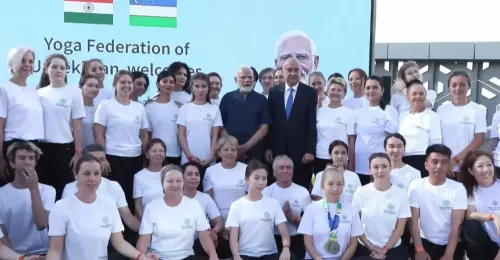
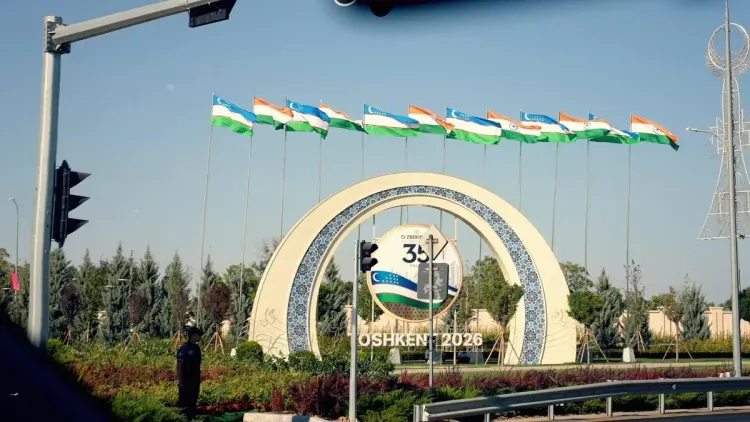
Prime Minister Narendra Modi shared highlights from his visit to Tashkent, Uzbekistan, including a wreath-laying at the Yangi Uzbekistan Monument and an interaction with the Indian diaspora, continuing India's sustained diplomatic engagement with Central Asia.
Key Takeaways
PM Narendra Modi shared highlights from his visit to Tashkent, Uzbekistan on 30 August 2026 .
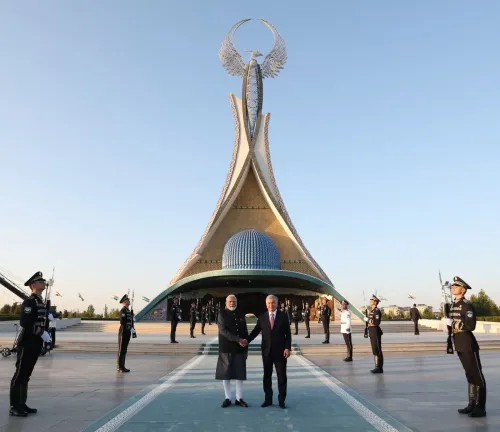
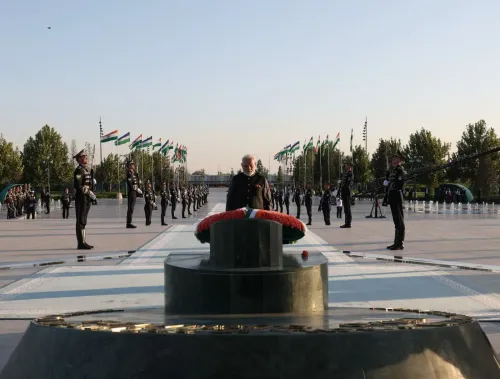
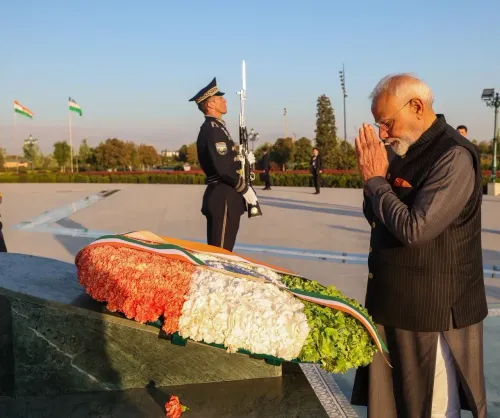
He laid a wreath at the Yangi Uzbekistan Monument as part of the official ceremonial programme.
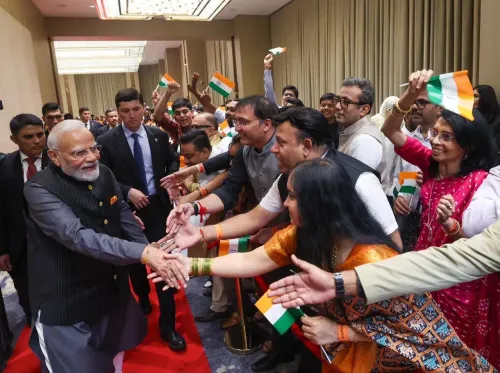
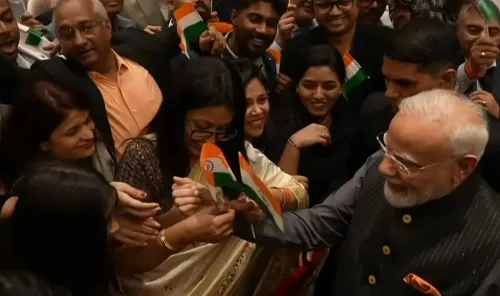
Modi interacted with members of the Indian diaspora based in Tashkent.
The visit builds on India's Connect Central Asia policy, first outlined in 2012 .
India and Uzbekistan have maintained bilateral ties since independence, with a landmark Modi visit in July 2015 expanding cooperation in trade, energy, and security.
A wreath laid at a national monument, a room full of Indian faces abroad, and a bilateral visit building quietly on decades of Central Asian diplomacy — Prime Minister Narendra Modi shared highlights from his engagements in Tashkent, Uzbekistan on Sunday, 30 August 2026.
Wreath at the Yangi Uzbekistan Monument
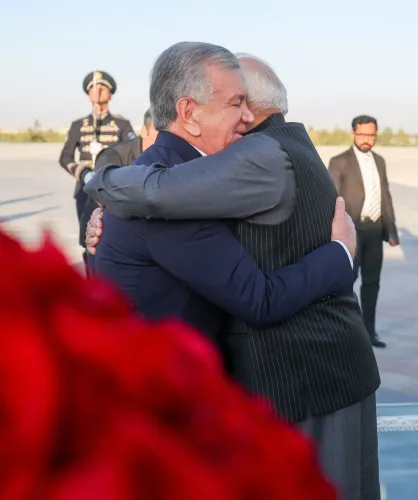
The ceremonial centrepiece of the day was a wreath-laying at the Yangi Uzbekistan Monument, a gesture that carries weight beyond protocol. In diplomatic tradition, such acts signal respect for a host nation's identity and aspirations — and Uzbekistan, which translates 'Yangi' as 'New', has invested considerable national pride in the symbol. A special welcome reception preceded the ceremony, setting the tone for a visit rooted in both symbolism and substance.Indian community gathers in Tashkent
The Prime Minister also met with members of the Indian diaspora in Tashkent — a fixture of Modi's foreign engagements that serves a dual purpose: energising overseas Indians and projecting soft power. Central Asia's Indian community, while smaller than those in the Gulf or the West, represents a living bridge between the two regions built on trade, education, and historical Silk Road connections.Tashkent and India's Central Asia calculus
This visit lands within a long-running strategic frame. India's Connect Central Asia policy, outlined in 2012, set the architecture for deepening political, economic, and cultural ties with the five republics. Modi's first bilateral visit to Uzbekistan in July 2015 expanded cooperation in trade, energy, and security — and subsequent engagements, including SCO-linked summits in Samarkand, have kept the relationship on an upward curve. Tashkent, as the region's most populous capital, remains the natural anchor for that engagement. The broader pattern is deliberate: high-level visits to Central Asian states, featuring monument ceremonies and diaspora interactions, are how New Delhi sustains both historical memory and contemporary strategic partnerships in energy corridors and connectivity projects that matter increasingly as the region's geopolitics shift. Watch for follow-up bilateral agreements and any SCO-related announcements emerging from this round of engagements.Point of View
Which carries diplomatic currency in a region where major powers compete for influence. Against the backdrop of shifting SCO dynamics and India's push for energy and connectivity diversification, sustaining high-level visibility in Tashkent is strategic, not merely ceremonial. The diaspora interaction adds a soft-power layer that no bilateral agreement alone can replicate.
NationPress
14 Oct 2026
Frequently Asked Questions
Why did PM Modi visit Uzbekistan in 2026?
PM Modi visited Uzbekistan as part of India's sustained diplomatic engagement with Central Asian states, participating in a special welcome, a wreath-laying ceremony, and a meeting with the Indian community in Tashkent.
What is the Yangi Uzbekistan Monument?
The Yangi Uzbekistan Monument is a national symbol in Tashkent representing Uzbekistan's identity and aspirations; 'Yangi' means 'New' in Uzbek. PM Modi laid a wreath there during his 2026 visit.
What is India's Connect Central Asia policy?
India's Connect Central Asia policy, outlined in 2012 , is a strategic framework to deepen political, economic, and cultural links between India and the five Central Asian republics, including Uzbekistan.
Has Modi visited Uzbekistan before?
Yes. PM Modi made a bilateral visit to Uzbekistan in July 2015 , which focused on expanding cooperation in trade, energy, and security between the two countries.
Why does PM Modi meet the Indian diaspora during foreign visits?
Meetings with the Indian diaspora are a regular feature of Modi's foreign engagements, serving to energise overseas Indian communities and project India's soft power in host countries.